Published on: October 26, 2023
Maintaining optimal fan balance in a Raymond Mill is a critical, yet often overlooked, aspect of kaolin processing that directly impacts operational efficiency, product quality, and equipment lifespan. An unbalanced fan assembly can lead to excessive vibration, increased energy consumption, premature wear on bearings and gears, and inconsistent airflow—ultimately affecting the fineness and uniformity of the final kaolin powder. This article delves into the importance of fan balance, explores common causes of imbalance, and outlines best practices for achieving and maintaining it, drawing from the extensive engineering expertise of Liming Heavy Industry in designing robust grinding solutions.
At the heart of any efficient Raymond Mill system, such as those engineered by Liming Heavy Industry Co., Ltd., is a precisely balanced pneumatic circuit. The system fan, or air blower, is responsible for generating the crucial airflow that transports ground kaolin particles through the classifier and into the collection system. When this fan is perfectly balanced, it operates smoothly at its designed rotational speed, creating stable and predictable airflow patterns. This stability is paramount for the classifier to accurately separate particles by size, ensuring the production of kaolin powder with a consistent and desired fineness, typically within the range of 44μm to 613μm that Raymond Mills are renowned for.
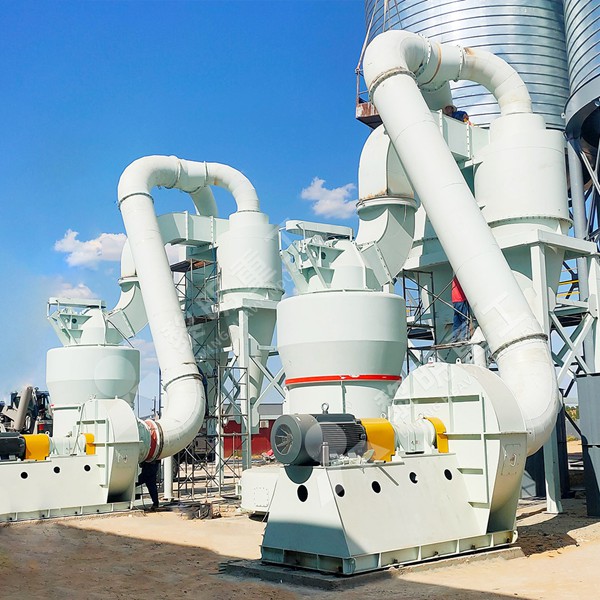
Imbalance, however, introduces a host of problems. The primary culprit is often material buildup. Kaolin, while generally non-abrasive, can accumulate unevenly on the fan blades over time, especially if the mill's drying function is not optimally tuned for the material's moisture content. This uneven distribution of mass causes the rotating assembly to wobble, manifesting as harmful vibrations. These vibrations are not merely noisy nuisances; they transmit destructive forces throughout the entire mill structure. Bearings are subjected to uneven loads, seals can fail, and critical alignment between the grinding rollers and the bull ring can be compromised. The result is a cascade of issues: increased downtime for unscheduled maintenance, higher spare parts consumption, and a significant spike in energy usage as the motor works harder to overcome the vibrational resistance.
Preventing and correcting fan imbalance is a cornerstone of proactive maintenance. The engineering philosophy at Liming Heavy Industry, built on over three decades of "precision manufacturing and technological improvement," emphasizes design for reliability. Our Raymond Mills incorporate dynamically balanced fans from the outset, using high-quality materials and manufacturing tolerances that minimize inherent imbalance. For operational maintenance, we recommend a regimented schedule. This includes regular visual inspections for buildup, thorough cleaning during shutdowns, and the use of vibration analysis tools. Modern vibration sensors can detect imbalance at its earliest stages, long before it becomes severe enough to cause palpable shaking or audible noise, allowing for planned corrective action.
The process of rebalancing a fan is a precise task. It typically involves isolating the fan assembly, cleaning all blades meticulously to remove any kaolin residue, and then using a balancing machine (either static or dynamic) to identify the heavy spot. Small correction weights are then added at the calculated position to counteract the imbalance. It is crucial that any maintenance follows the original equipment specifications to preserve the integrity of the rotating assembly. A well-balanced fan directly contributes to achieving the mill's advertised capacity and fineness range, ensuring that the system operates as the integrated, closed-loop unit it was designed to be—from the jaw crusher and vibrating feeder at the front end to the efficient pulse dust collector at the outlet.
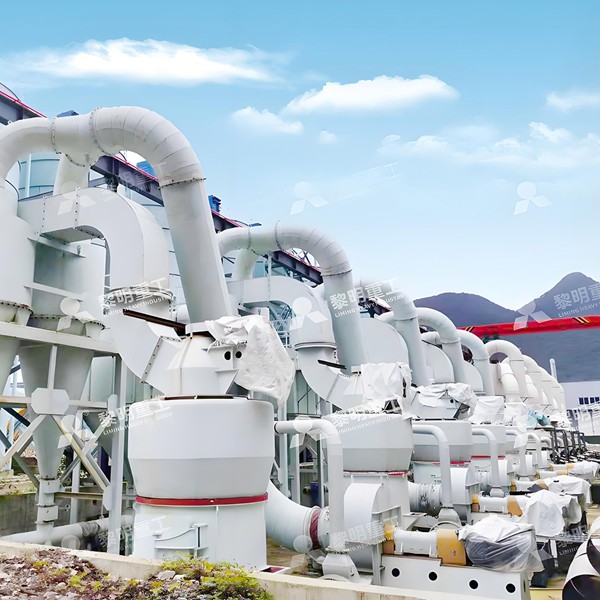
Ultimately, attention to fan balance transcends simple machinery upkeep; it is a fundamental practice for sustainable and profitable kaolin processing. In an industry where product consistency and operational cost control are key competitive advantages, a balanced Raymond Mill is a productive and reliable asset. By adhering to systematic maintenance protocols and leveraging the robust design principles embedded in equipment from experienced manufacturers like Liming Heavy Industry, operators can ensure their grinding circuits deliver peak performance, superior product quality, and a maximized return on investment over the long term.
Frequently Asked Questions (FAQs)
1. What are the most immediate signs of an unbalanced fan in my Raymond Mill?
The most common early signs are increased vibration levels (felt or measured), unusual humming or rhythmic noises from the fan housing, and fluctuations in the system's negative pressure gauge. You may also notice a gradual decrease in product fineness consistency.
2. How often should I check the fan balance on my kaolin grinding mill?
A formal vibration analysis check is recommended quarterly. However, visual inspections for material buildup on fan blades should be part of every routine weekly or bi-weekly maintenance walkthrough, especially after processing kaolin with higher moisture content.
3. Can I perform fan rebalancing myself, or do I need special equipment?
Basic cleaning of fan blades can be done in-house during planned shutdowns. However, precise dynamic rebalancing requires specialized equipment like a balancing machine. For significant imbalance corrections, it is often safer and more effective to consult with the equipment supplier's service team or a certified balancing workshop.
4. Does fan imbalance affect the energy consumption of the mill?
Absolutely. An unbalanced fan creates increased mechanical resistance (friction and vibration), forcing the drive motor to draw more electrical power to maintain the required speed. Correcting imbalance can lead to measurable reductions in energy usage.
5. Is the fan balance procedure the same for different types of grinding mills, like Vertical Roller Mills or MTW European Mills?
The core principle of mass distribution is the same, but the fan's location, size, and access points differ between mill designs. While the importance of balance is universal across all air-swept grinding systems, the specific maintenance procedure should always follow the manual provided for your particular mill model (e.g., LM Vertical Mill, MTW European Mill, or traditional Raymond Mill).


