Published: October 26, 2023
When it comes to transforming raw limestone into fine, high-quality powder for industries ranging from construction to power generation, a limestone grinding mill with classifier is the backbone of modern mineral processing. This integrated system combines grinding, classification, and conveying into a single efficient workflow, delivering consistent particle sizes and maximizing throughput. At Liming Heavy Industry, we have spent over three decades perfecting these technologies, offering solutions that range from traditional Raymond mills to advanced vertical roller mills and European trapezium mills. Whether you need coarse powder for desulfurization or ultra-fine material for fillers, the right grinding mill with a precision classifier ensures you meet specifications while minimizing energy consumption and operational costs. In this article, we break down how these systems work, which mill types suit different applications, and how classifiers optimize your final product.
Why a Classifier Matters in Limestone Grinding
In any limestone grinding operation, the classifier is the unsung hero that separates fine particles from coarse ones. Without a classifier, your mill would keep grinding everything until it all reached the same size, wasting energy and over-processing material. A classifier—often a dynamic separator or a cyclone system—sorts particles by size or density, allowing only those that meet your target fineness to pass through as finished product. Oversized particles are returned to the grinding chamber for further reduction. This closed-loop system not only boosts efficiency but also lets you adjust product fineness on the fly. For applications like power plant desulfurization, where limestone powder must be between 200 and 325 mesh, a classifier ensures consistent quality. For ultra-fine products like 1250 mesh or finer, classifiers become even more critical. In short, the classifier turns a simple mill into a precision powder-making machine.
Types of Limestone Grinding Mills with Classifiers at Liming Heavy Industry
LM Vertical Roller Mill
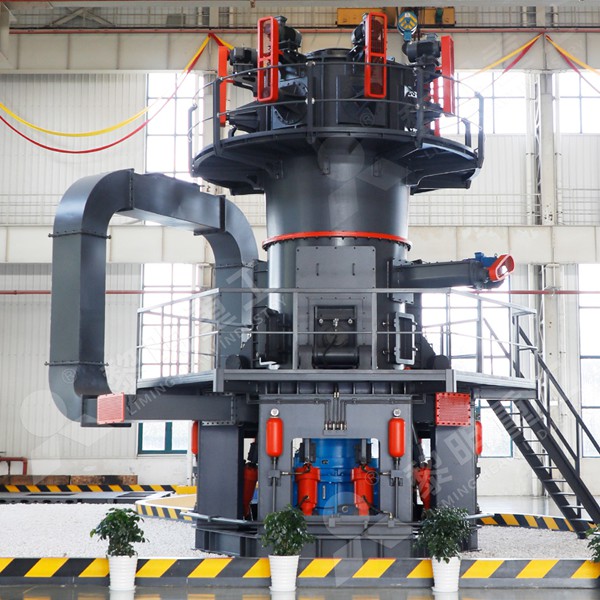
The LM Vertical Roller Mill integrates drying, grinding, powder selection, and conveying into one unit. It features a unique roller and table design that minimizes vibration and wear. The built-in classifier, typically a dynamic separator, allows for precise fineness control, ranging from 80μm to 400μm. With a capacity of 10 to 400 tons per hour and input sizes up to 55mm, it is ideal for large-scale operations in cement, electricity, metallurgy, and chemical industries. This mill excels in processing non-metallic minerals, coal, and slag, offering high drying efficiency when moisture is present.
Raymond Mill
The classic Raymond mill remains a workhorse for smaller to medium capacities, handling materials with Mohs hardness under 7 and humidity below 6%. It grinds limestone to finenesses between 613μm and 44μm, covering most industrial needs from 30 to 325 mesh. The classifier part is usually a whizzer separator that grades particles by centrifugal force. While its capacity is limited to 1.2 to 4.5 tons per hour with input sizes up to 25mm, its simplicity, reliability, and low cost make it perfect for calcium carbonate crushing, gypsum processing, and pulverized coal preparation.
MTW European Type Trapezium Mill
As the upgrade of the traditional Raymond mill and pendulum mill, the MTW European Type Trapezium Mill brings patented technology for higher productivity and energy efficiency. It uses a multi-head classifier with adjustable blades to achieve fineness from 80μm to 44μm (180 to 325 mesh) and even finer with optional upgrades. Capacity ranges from 3 to 55 tons per hour, with input sizes up to 50mm. This mill is widely used for limestone desulfurization in power plants, heavy calcium carbonate production, and other non-metallic mineral powder making. Its closed system with pulse dust collector meets strict environmental standards.
MW Micro Powder Mill
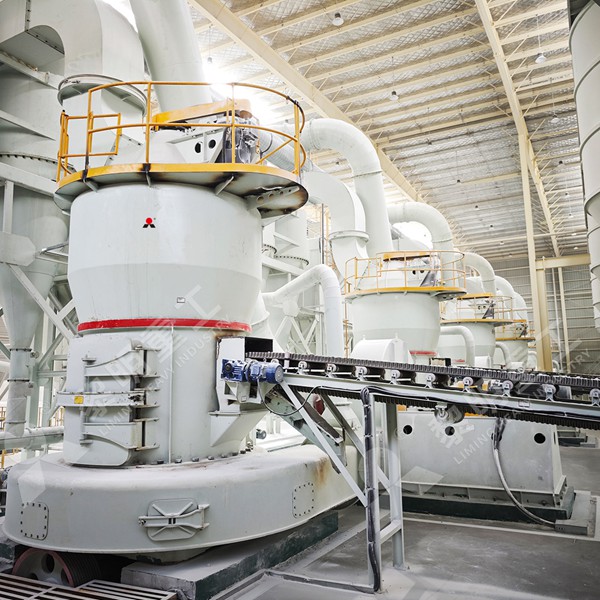
For ultra-fine limestone powder, the MW Micro Powder Mill is the go-to solution. Based on advanced Swedish grinding technology, it produces particle sizes down to d97 ≤ 5μm, with fineness adjustable between 325 mesh (44μm) and 3250 mesh (3μm). The classifier here is a high-precision turbine separator that ensures consistent distribution. Capacity is 0.5 to 25 tons per hour with input sizes of 10 to 20mm. It is ideal for super-fine calcium carbonate, gypsum, and non-metallic ore processing. The pulse precipitator keeps emissions clean, making it a green choice.
Ball Mill
The ball mill remains a staple for various industries due to its versatility and ability to grind many materials, including limestone. When paired with an external classifier—like a hydrocyclone or air separator—it forms a closed-circuit grinding system that can produce consistent fineness. Capacity ranges from 0.65 to 50 tons per hour, with input sizes up to 25mm. Ball mills are common in cement, beneficiation, construction, and chemical plants, especially where coarse to medium fineness is acceptable. The grinding media (steel balls) impact and grind the material in a rotating horizontal drum, and the classifier recirculates coarse particles.
How to Choose the Right Limestone Grinding Mill with Classifier
Selecting the best system depends on your target capacity, desired fineness, moisture content, and budget. For high-tonnage operations (over 50 t/h) requiring consistent fineness around 200 mesh, the LM vertical roller mill is unmatched. For medium capacities with flexibility in fineness from 100 to 400 mesh, the MTW European trapezium mill offers an excellent balance of cost and performance. The Raymond mill remains a strong candidate for small-scale or intermittent production. When you need ultra-fine powders below 10 microns, the MW micro powder mill is the only choice. Always consider the classifier type: dynamic separators give better control over fineness and can be adjusted in real-time, while cyclones are simpler but less precise for very fine cuts. Liming Heavy Industry’s team can help you size and configure the entire line, including feeders, crushers, elevators, dust collectors, and pipework, to create a turnkey solution.
Working Principle of a Typical Limestone Grinding Line with Classifier
Take the MTW European Type Trapezium Mill as an example. First, large limestone lumps are crushed by a jaw crusher to the required size (30-50mm). The crushed material is transported to a hopper, then fed evenly into the mill via a variable-frequency belt feeder. Inside the mill, material is ground between the ring and rollers. Ground particles are carried upward by air flow generated by the blower. The classifier at the top of the mill separates fine particles: those that are fine enough pass through and are collected as finished product; coarse particles fall back down for re-grinding. Air continues to the blower and is recycled; the system is closed-loop. A pulse dust collector captures any dust, meeting environmental standards. This cycle ensures high efficiency, consistent product quality, and low energy use.
Frequently Asked Questions
- What is the recommended fineness for limestone used in power plant desulfurization? For wet flue gas desulfurization (FGD), limestone powder is typically ground to 90% passing 325 mesh (44μm) or finer. In some cases, 250 mesh (58μm) is acceptable. The exact requirement depends on the design of the scrubber system.
- Can I use the same mill for both limestone and gypsum grinding? Yes, many mills from Liming Heavy Industry, such as the Raymond mill and MTW trapezium mill, are suitable for both materials. However, you may need to adjust fineness settings and check for compatibility with moisture levels. Gypsum often requires higher drying capacity.
- How does the classifier in a vertical roller mill differ from that in a ball mill? In a vertical roller mill, the classifier is built-in, typically a dynamic separator that adjusts fineness via rotor speed. In a ball mill, the classifier is an external unit like a cyclone or a screening machine, which adds process complexity but allows easier maintenance.
- What maintenance is required for the classifier in these mills? Regular inspection of rotating parts (rotor blades, bearings, seals) is critical. Blades may wear out from abrasive limestone; we recommend checking them every 500-1000 operating hours. Lubrication schedules and belt tension (for driven classifiers) should follow the manufacturer's manual.
- Is it possible to retrofit an existing ball mill with a modern dynamic classifier? Absolutely. Retrofitting an external dynamic classifier to an existing ball mill closed-circuit system can improve fineness control and reduce over-grinding. Liming Heavy Industry offers engineering support and classifier units tailored to your mill dimensions and capacity.


