Published: October 26, 2023
In the competitive landscape of industrial grinding, the wear resistant limestone grinding roller stands as a critical component for achieving high efficiency, long service life, and consistent product quality. Liming Heavy Industry Co., Ltd., a leader in crushing and grinding equipment since 1987, has engineered advanced roller systems that excel in processing limestone and other abrasive materials. These rollers, integral to our Raymond Mill, MTW European Type Trapezium Mill, and LM Vertical Roller Mill, are designed with wear-resistant alloys and precision manufacturing to minimize downtime and maximize throughput. This article provides an in-depth examination of wear resistant limestone grinding rollers, covering their design principles, applications across industries, maintenance best practices, and the technological innovations that set Liming Heavy Industry apart. Whether you are in cement production, power plant desulfurization, or non-metallic mineral processing, understanding the role of these rollers can significantly enhance your grinding operations.
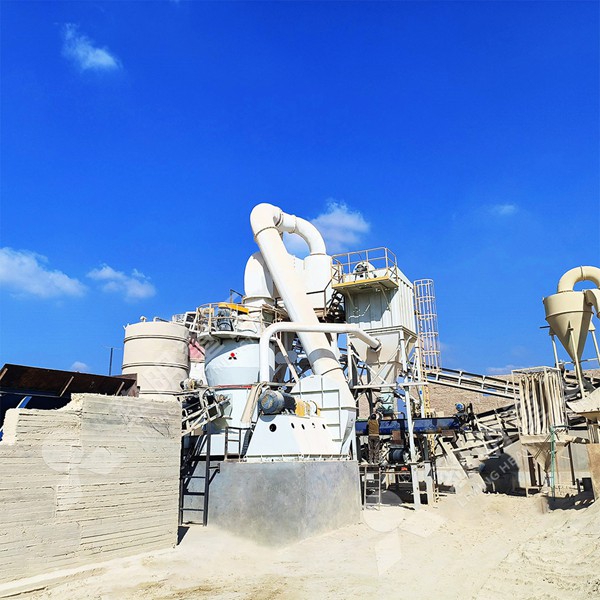
Design and Construction of Wear Resistant Limestone Grinding Rollers
The performance of a limestone grinding roller is heavily dependent on its material composition and structural design. Liming Heavy Industry employs advanced metallurgy to produce rollers that can withstand the high compressive forces and abrasive nature of limestone. The rollers are typically made from high-chromium alloy steel or composite materials that offer exceptional hardness and toughness. This wear resistance is crucial because limestone, with a Mohs hardness of 3–4, can cause rapid degradation of standard steel components. Our MTW European Type Trapezium Mill, for example, utilizes a roller and ring system where the roller presses against the grinding ring under centrifugal force, crushing limestone particles into fine powder. The rollers are precision-machined to ensure uniform contact with the ring, reducing vibration and energy consumption. Additionally, the roller bearings are sealed and lubricated to protect against dust ingress, extending their operational life. Liming Heavy Industry's commitment to scientific research, as highlighted in our 30-year history, ensures that each roller design is optimized for specific feed sizes (e.g., 30–50mm for MTW mills) and capacities (3–55 TPH), delivering consistent performance even under continuous heavy loads.
Applications in Key Industries
Wear resistant limestone grinding rollers are indispensable across multiple sectors. In the cement industry, limestone is a primary raw material for clinker production, and our LM Vertical Roller Mill (capacity 10–400 T/H) uses robust rollers to grind limestone into fine powder, integrating drying and classification in a single unit. For power plant desulfurization, fine limestone powder (typically 250 mesh or finer) is used to remove sulfur dioxide from flue gases; here, the MTW European Type Trapezium Mill offers a reliable solution with its wear-resistant rollers ensuring long operational cycles without frequent replacement. In non-metallic mineral processing, such as calcium carbonate or gypsum grinding, our Raymond Mill and MW Micro Powder Mill provide fineness ranges from 613 μm to 5 μm (d97 ≤ 5μm for the MW mill). The rollers in these mills are specially treated to resist abrasion, maintaining product purity and minimizing contamination. Liming Heavy Industry's global presence, including workshops spanning 80,000 m² in Zhengzhou and 67,000 m² in Shangjie, allows us to tailor roller designs for specific client requirements, whether for high-capacity throughput or ultra-fine grinding applications.
Technological Innovations for Enhanced Wear Resistance
Liming Heavy Industry continuously invests in R&D to improve the wear resistance of limestone grinding rollers. Our MTW European Type Trapezium Mill features patented technology including a bevel gear drive and a self-lubrication system that reduces stress on the rollers. The grinding rollers are equipped with a hydraulic pressure system that maintains constant pressure against the material bed, ensuring even wear and preventing localized damage. Furthermore, the use of variable-frequency belt feeders in our mills allows for precise control of material flow, preventing overloading of the rollers. For our MW Micro Powder Mill, the rollers rotate against a raceway ring via a pin system, and the materials are crushed between multiple rollers for enhanced efficiency. The air classifiers integrated into these mills ensure that only particles meeting the required fineness pass through, reducing unnecessary wear on the rollers. Liming Heavy Industry's adherence to modern scientific management and environmental standards, including pulse dust collectors, means that our roller systems not only last longer but also operate in compliance with global emission regulations.
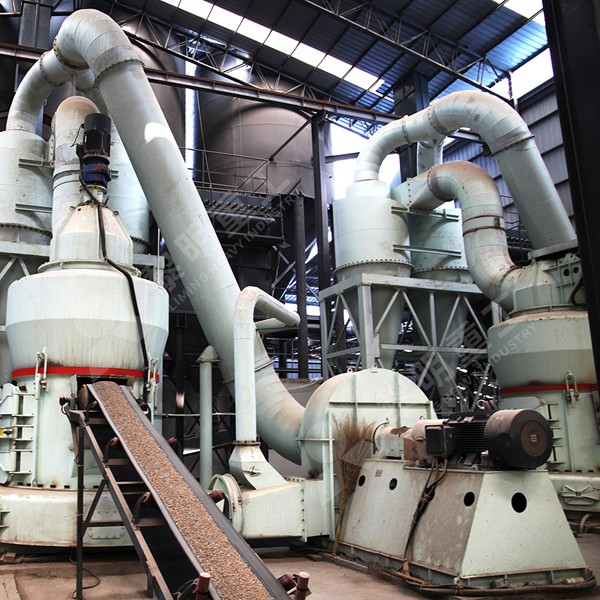
Maintenance and Optimization of Grinding Rollers
To maximize the lifespan of wear resistant limestone grinding rollers, routine maintenance is essential. Liming Heavy Industry recommends regular inspection of roller surfaces for signs of pitting or cracking, which can occur due to tramp metal or inconsistent feed. The roller bearings should be greased according to the manufacturer's schedule, and the sealing system checked for integrity. The gap between the roller and the grinding ring should be adjusted to maintain optimal grinding efficiency; for MTW mills, this is typically set between 5–10 mm depending on the fineness required. Over time, the roller surface may become smooth or glazed, reducing friction; in such cases, the rollers can be re-surfaced or replaced. Liming Heavy Industry provides comprehensive technical support, including on-site training and spare parts availability, ensuring minimal operational downtime. Our ball mill, for instance, uses steel balls as grinding media, but for roller mills, the wear life of the roller itself is a key cost factor. By implementing a preventive maintenance plan—such as checking the hardness of the roller material and monitoring the mill's vibration levels—operators can expect a service life of 12–18 months even under harsh limestone grinding conditions.
Environmental and Economic Benefits
Using wear resistant limestone grinding rollers from Liming Heavy Industry offers significant environmental and economic advantages. The energy consumption of our roller mills is lower compared to traditional ball mills, as the rollers directly compress the material rather than using heavy steel balls. This direct grinding reduces auxiliary power needs, lowering carbon emissions per ton of product. The durability of the rollers also means fewer replacements, reducing waste and the environmental impact of manufacturing new components. Our mills are equipped with pulse dust collectors that capture fine particles, ensuring a clean working environment. Economically, the higher reliability of wear resistant rollers translates to lower maintenance costs and higher machine availability. For example, in a limestone desulfurization plant, replacing a roller set can take 8–12 hours; with high-quality rollers, this intervals can be extended to every 6,000–8,000 hours of operation. Liming Heavy Industry's focus on large-scale production and scientific research ensures that our customers receive not only durable equipment but also the expertise to optimize their grinding processes for maximum profitability.
Conclusion
In summary, wear resistant limestone grinding rollers are a cornerstone of efficient industrial grinding, and Liming Heavy Industry Co., Ltd. stands at the forefront of this technology. With decades of experience and a commitment to innovation, we provide rollers that meet the rigorous demands of cement, power, and mineral processing industries. From our Raymond Mill to our advanced LM Vertical Roller Mill, each product is designed with the customer's productivity in mind. By investing in high-quality, wear resistant components, businesses can achieve superior throughput, lower operational costs, and a reduced environmental footprint. For more information on how our grinding rollers can benefit your operation, consult our technical team or refer to our product documentation. Liming Heavy Industry remains your trusted partner in grinding excellence.
Frequently Asked Questions (FAQ)
Q1: What is the typical lifespan of a wear resistant limestone grinding roller?
A: The lifespan depends on factors like limestone hardness, moisture content, and mill operating conditions. In normal conditions with Liming Heavy Industry rollers, you can expect 12–18 months of continuous operation before significant wear occurs. Regular maintenance and proper feed control can extend this period.
Q2: Can wear resistant limestone grinding rollers be used for materials other than limestone?
A: Yes, these rollers are suitable for grinding non-flammable and non-explosive materials with Mohs hardness under 7 and humidity less than 6%, such as gypsum, calcium carbonate, and barite. However, the roller composition may need adjustment for highly abrasive materials.
Q3: How do I know when to replace the grinding rollers in my mill?
A: Signs include reduced grinding efficiency (lower throughput or coarser product), increased vibration or noise, visible pitting or cracks on the roller surface, and higher current draw from the mill motor. Liming Heavy Industry recommends annual inspection and measurement of roller diameter.
Q4: What is the difference between the rollers used in the Raymond Mill and the MTW European Type Trapezium Mill?
A: The Raymond Mill uses a traditional pendulum-type roller system, while the MTW mill features a more advanced, trapezoidal roller and ring design that provides higher pressure and better grinding efficiency. The MTW rollers are also made with upgraded wear-resistant alloys for longer life.
Q5: Does Liming Heavy Industry provide custom roller designs for specific applications?
A: Absolutely. Based on our R&D capabilities and over 30 years of experience, we can tailor roller dimensions, material composition, and surface treatments to meet your specific feed size, capacity, and fineness requirements. Contact our engineering team for a consultation.


