Barite, or barium sulfate (BaSO4), is a critical industrial mineral widely used as a filler in rubber products to improve density, sound deadening, and chemical resistance. For rubber manufacturers, achieving the optimal particle size distribution and purity of barite powder is essential to enhance product performance and reduce production costs. Liming Heavy Industry Co., Ltd. offers advanced barite roller mill solutions specifically engineered for rubber filler applications, utilizing technologies such as the LM Vertical Roller Mill, MTW European Type Trapezium Mill, and Raymond Mill to produce ultra-fine, consistent, and high-quality barite powder. With over 30 years of experience in crushing and grinding equipment manufacturing, Liming Heavy Industry combines precision engineering, scientific research, and environmental stewardship to deliver robust, energy-efficient, and high-capacity grinding systems that meet the demanding specifications of the rubber industry. This article provides a comprehensive analysis of barite roller mill technology for rubber fillers, covering equipment selection, working principles, key benefits, and frequently asked questions to guide manufacturers toward optimal production outcomes.
Liming Heavy Industry Co., Ltd., founded in 1987, is a modern joint-stock corporation integrating research, manufacturing, and sales of large and medium-sized crushing and grinding equipment. Headquartered in the HI-TECH Industry Development Zone of Zhengzhou, covering 80,000 m², with an additional workshop in Shangjie Industry Park spanning 67,000 m², the company has become a leader in domestic and overseas machinery manufacturing. Persisting in scientific management, precision manufacturing, and continuous innovation, Liming Heavy Industry focuses on improving product competitiveness through a "scientific research tackling key problems, technological progress, and technological improvement" strategy, with a strong emphasis on production, learning, and research. The mature scientific research team aims at the technological frontier of the industry, enhancing overall scientific and technological innovation ability. This commitment is evident in the development of grinding equipment tailored for non-metallic minerals like barite, which serves as a premium filler in rubber compounds to improve tensile strength, abrasion resistance, and dimensional stability.
Barite's high specific gravity (4.2–4.5 g/cm³) and chemical inertness make it ideal for rubber filler applications where weight, density, and chemical resistance are critical. However, to achieve the desired performance, barite must be ground to a fine, narrow particle size distribution, typically in the range of 325 mesh (44 μm) to 1250 mesh (10 μm), with low moisture content and high purity. Traditional grinding methods often result in inconsistent particle sizes, high energy consumption, and excessive wear on equipment. Liming Heavy Industry's barite roller mills overcome these challenges through innovative design and robust construction.
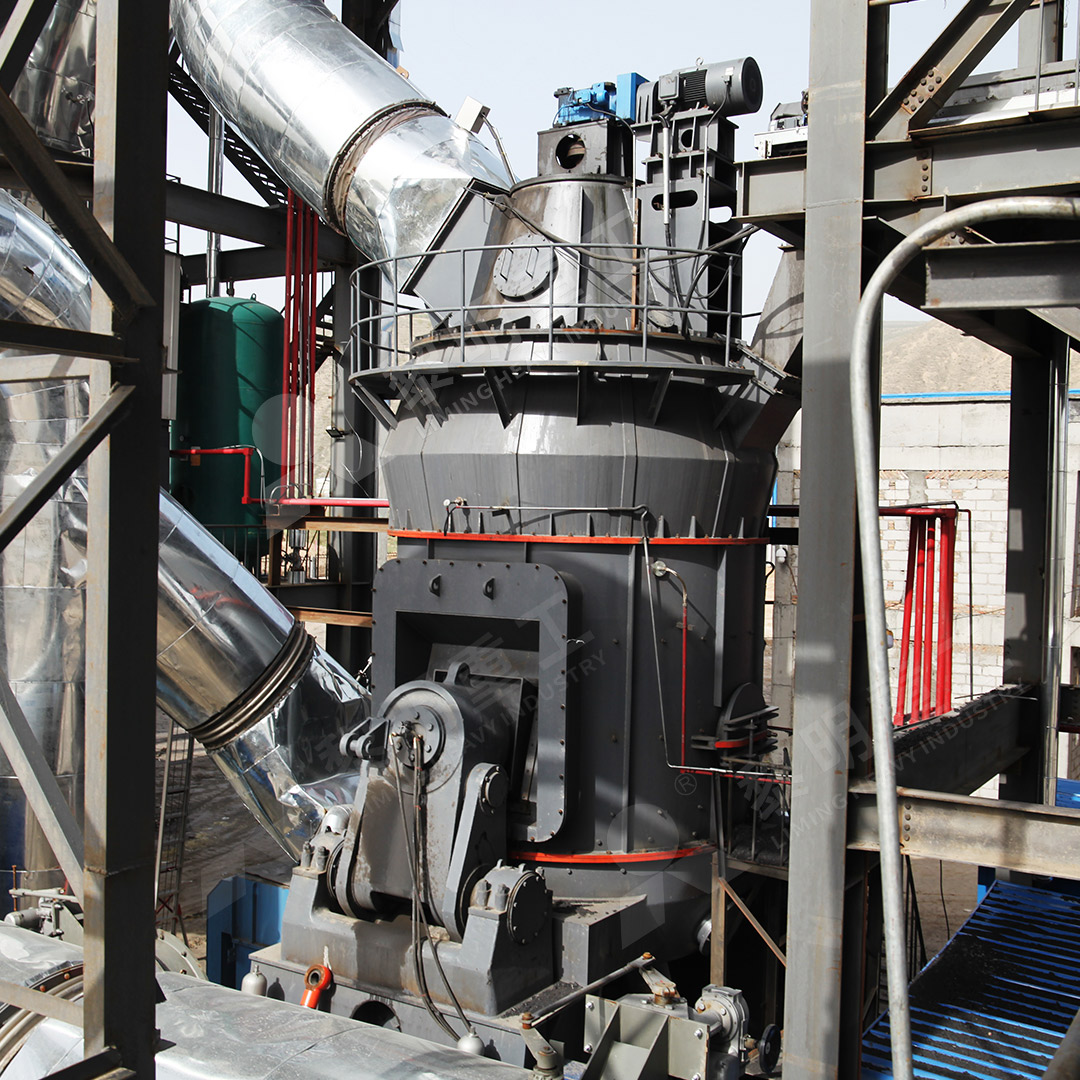
Key equipment options from Liming Heavy Industry for barite grinding include the LM Vertical Roller Mill, MTW European Type Trapezium Mill, and Raymond Mill. The LM Vertical Roller Mill integrates drying, grinding, powder selection, and conveying into one system, with a capacity range of 10–400 T/H and input size of 30–55 mm. It is particularly suitable for large-scale barite processing in rubber filler production, offering automated control and high efficiency. The MTW European Type Trapezium Mill, an upgrade of traditional Raymond and pendulum mills, features patented technology for stable performance and high productivity, with a capacity of 3–55 TPH and input size of 30–50 mm. This mill is ideal for medium-scale operations requiring fine and ultra-fine barite powder. The Raymond Mill, a classic choice, handles non-flammable and non-explosive materials with Mohs hardness under 7 and humidity below 6%, delivering output fineness between 613 μm and 44 μm, with a capacity of 1.2–4.5 T/H and input size of 15–25 mm. Additionally, the MW Micro Powder Mill provides superfine powder processing down to d97 ≤ 5 μm, with adjustable fineness from 325 mesh to 3250 mesh, making it suitable for high-end rubber filler applications requiring extremely fine barite.
The working principle of these barite roller mills involves a systematic process: raw barite is first crushed by a jaw crusher to the required size, then fed uniformly into the mill via a vibrating feeder. Inside the mill, material is ground between grinding rollers and a rotating ring or table. The ground powder is carried upward by airflow to a classifier, where coarse particles are separated and returned for further grinding, while fine particles pass through as finished product. The system is closed-loop, with air recycled through a pulse dust collector to ensure environmental compliance. This integrated design minimizes energy consumption, reduces dust emissions, and ensures consistent product quality, which is crucial for rubber filler applications where batch-to-batch consistency directly affects final product performance.
Benefits of using Liming Heavy Industry's barite roller mill for rubber filler include: (1) high production capacity with low energy consumption due to optimized roller and ring design; (2) precise particle size control with adjustable fineness to meet specific rubber grade requirements; (3) reduced wear and maintenance through the use of wear-resistant materials and advanced manufacturing techniques; (4) environmental friendliness with integrated dust collection systems that meet national standards; and (5) comprehensive support from a company with decades of expertise and a global service network. The rubber industry benefits from these advantages by achieving improved filler dispersion, reduced compound viscosity, and enhanced mechanical properties in end products such as automotive tires, conveyor belts, hoses, and seals.
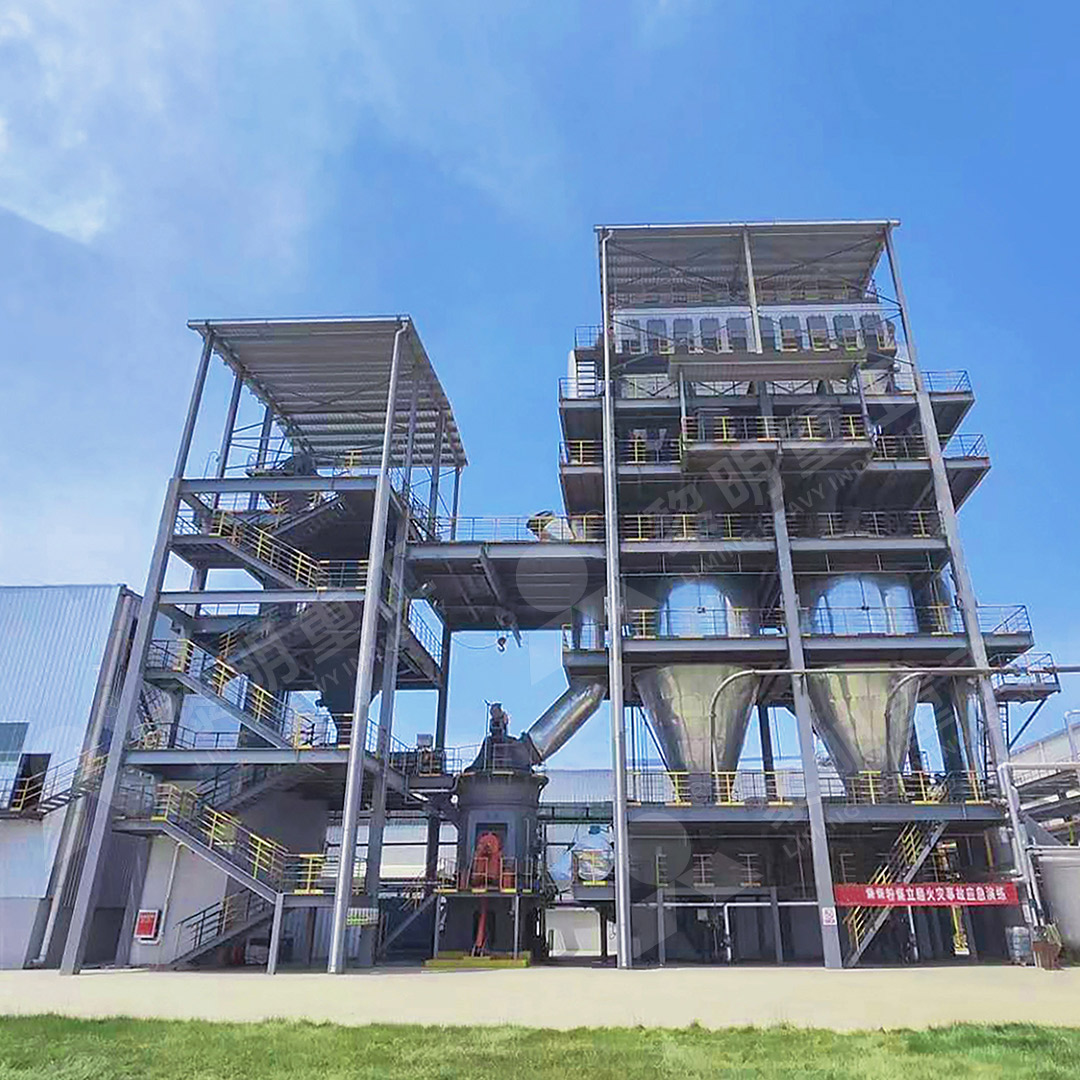
Case studies from various rubber manufacturers demonstrate that replacing conventional grinding equipment with Liming's barite roller mills can increase production efficiency by up to 30% while reducing energy consumption by 20%. The consistent particle size distribution also leads to better control over rubber compound properties, reducing scrap rates and improving product durability. Furthermore, the robust design of these mills ensures minimal downtime, with quick-change wear parts and easy maintenance access, making them a cost-effective long-term investment for bulk barite processing.
In conclusion, Liming Heavy Industry Co., Ltd. offers a comprehensive range of barite roller mills specifically tailored for rubber filler applications, combining advanced technology, high capacity, and environmental responsibility. With a strong track record since 1987, the company remains at the forefront of grinding equipment innovation, providing reliable solutions that help rubber manufacturers optimize their production processes and deliver high-quality products to the market. Whether for large-scale industrial applications or specialized niche products, Liming's barite roller mills are designed to meet the most stringent requirements of the rubber industry.
Frequently Asked Questions (FAQ)
- What particle size of barite is recommended for rubber filler applications?
For rubber filler, barite is typically ground to a fineness of 325 mesh (44 μm) to 1250 mesh (10 μm), depending on the specific rubber compound requirements. Finer particles improve dispersion and surface finish, but coarser grades may be used for cost-sensitive applications. Liming Heavy Industry's mills can adjust fineness within this range to match your needs. - How does the LM Vertical Roller Mill differ from the MTW Trapezium Mill for barite grinding?
The LM Vertical Roller Mill is designed for high-capacity, continuous operation with integrated drying and classifying, ideal for large-scale barite processing (10–400 T/H). The MTW Trapezium Mill offers more precise fineness control and lower energy consumption for medium-scale operation (3–55 TPH), making it suitable for finer barite grades commonly used in premium rubber fillers. - Can existing barite grinding lines be upgraded to use Liming roller mills?
Yes, Liming Heavy Industry provides retrofit solutions and can customize mill installations to integrate with existing crushers, classifiers, and dust collection systems. Our engineering team conducts on-site assessments to ensure seamless upgrades that improve capacity, efficiency, and product quality while minimizing downtime. - What maintenance is required for barite roller mills to ensure long service life?
Regular maintenance includes inspecting and replacing grinding rollers, rings, and liners as they wear, typically every 6 to 12 months depending on material hardness and usage. Lubrication of bearings, checking belt tension, and monitoring air filter conditions are also essential. Liming provides comprehensive maintenance manuals and remote support to extend equipment life. - How does Liming Heavy Industry ensure environmental compliance during barite grinding?
All barite roller mills are equipped with advanced pulse dust collectors that capture fine particles, reducing emissions to below legal limits. The closed-loop air system minimizes dust leakage, and the mills operate with lower noise levels compared to traditional ball mills. Liming Heavy Industry adheres to international environmental standards, and our systems are designed to meet national green manufacturing requirements.


