Published: October 26, 2023
Finding the right barite grinding plant is a critical decision for any mining operator, mineral processor, or industrial powder consumer. Barite, primarily used as a weighting agent in drilling fluids, also finds applications in paints, plastics, and radiation shielding. The ideal plant must handle the specific hardness (3-3.5 Mohs), high density (4.2-4.5 g/cm³), and potential impurities of barite ore while delivering consistent fineness (typically 200 mesh to 325 mesh for oil drilling). This guide provides a structured approach to locating and evaluating a barite grinding plant, drawing on decades of industry experience and highlighting key equipment configurations from a leading manufacturer. We will cover defining your requirements, selecting the right mill technology (from Raymond to vertical roller mills), assessing quality and after-sales support, and verifying the supplier's reliability. By the end, you will have a clear roadmap to source a plant that ensures high throughput, low operating costs, and compliance with environmental standards.
Step 1: Define Your Barite Grinding Requirements
Before starting your search, you must have clear specifications. Different applications demand different parameters. For oil and gas drilling, API specifications dictate a minimum density of 4.2 g/cm³ and a particle size where 97% passes through 200 mesh (74 microns) with a maximum of 3% retained on a 325 mesh (44 microns) sieve. For industrial fillers, fineness might need to reach 800-1250 mesh or higher. Ask yourself: What is your required hourly capacity? A small operation might need 1-5 tons per hour (TPH), while a large drilling fluids plant may require 20-50 TPH. What is your feed material size? Run-of-mine barite often arrives as 20-50 cm lumps. What is your target fineness? What is your moisture content? Barite is generally dry, but surface moisture can affect grinding. Finally, consider your power availability and environmental regulations. These factors will narrow down the technology. For example, a small Raymond mill is cost-effective for 1-5 TPH production of 200-325 mesh barite powder, while a large LM vertical roller mill is ideal for 10-400 TPH with integrated drying and lower energy consumption.
Step 2: Research Mill Technologies for Barite
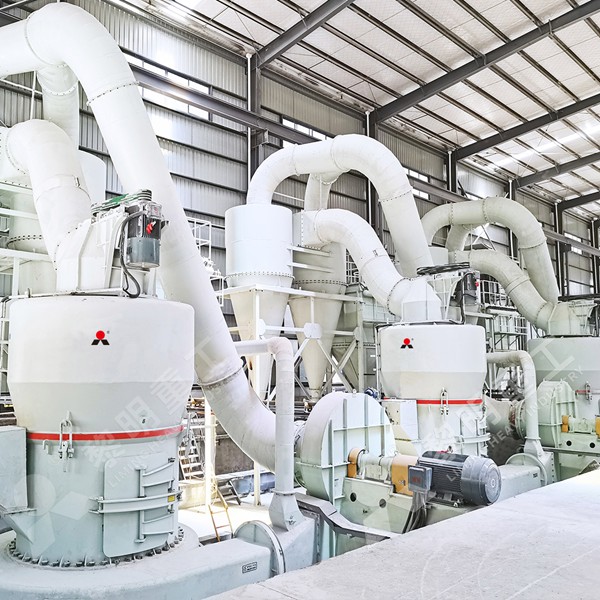
Barite is a non-metallic mineral with moderate hardness and no special abrasiveness. Several mill types are suitable. The most common include: Raymond Mill (pendulum roller mill) is a classic choice for barite. It is robust, easy to operate, and produces consistent fineness (up to 600 mesh). Our Raymond Mill is widely used for barite grinding in the chemicals and building materials sectors, with a capacity range of 1.2-4.5 TPH and input size up to 25mm. For larger capacities and finer powders, the MTW European Type Trapezium Mill is an upgrade. It features patented technology, higher productivity, and lower energy consumption. It can handle 3-55 TPH and input sizes of 30-50mm, making it excellent for large-scale barite powder making. For superfine barite (d97 ≤ 5μm, 325-3250 mesh), the MW Micro Powder Mill is the right tool. It uses high-speed rotation and multiple rollers to achieve ultra-fine grinding. For maximum capacity and efficiency in a single unit, the LM Vertical Roller Mill is unmatched. It integrates grinding, drying, and classification, with a capacity of 10-400 TPH. This is the preferred choice for large-scale industrial barite processing plants, especially where space is limited and energy efficiency is critical. Finally, the Ball Mill is a universal solution for any ore, including barite. It is highly reliable and can achieve very fine grinds, but it consumes more energy and has a larger footprint compared to vertical or roller mills. It is ideal for cement and mineral processing lines where high capacity (0.65-50 TPH) is needed and energy cost is less of a concern.
Step 3: Evaluate the Supplier's Credentials and Experience
Once you know your technology need, evaluate the manufacturer. A company with decades of in-house research, manufacturing, and field service is invaluable. Liming Heavy Industry, for example, was founded in 1987 and has over 30 years of experience in large and medium crushing and grinding equipment. Our headquarters in Zhengzhou covers 80,000 m², with an additional 67,000 m² workshop in Shangjie. This scale ensures we have the capacity for rapid production and rigorous quality control. Look for a supplier that prioritizes scientific research and development. We persist in implementing a strategy of scientific research, focusing on product competitiveness through technological improvement. A mature scientific team means the equipment is continuously innovating. Check if the supplier has specific case studies or references for barite grinding. Ask about the origin of key components: Are the rollers, rings, and classifiers from reputable sources? A good manufacturer will provide material certificates and wear life data. After-sales service is crucial. Does the supplier offer on-site installation, commissioning, and training? What is their spare parts supply chain like? A single-source solution from design to commissioning reduces your risk significantly.
Step 4: Inspect the Plant's Core Components
When evaluating a specific barite grinding plant, inspect the core components. For a roller mill like the MTW or Raymond, check the grinding roller and ring material. High-chrome steel or manganese steel is standard for barite. The classifier is vital for fineness control. A high-efficiency dynamic classifier ensures a steep particle size distribution, which is critical for drilling fluid quality. Look at the dust collection system. Modern plants, like our MW Micro Powder Mill, are equipped with pulse dust collectors to meet strict environmental standards. This is a non-negotiable feature in most jurisdictions. The feeding system (vibrating feeder or belt) should be variable-frequency to ensure uniform feeding, which stabilizes the grinding process and final product quality. The overall electrical control system should be automatic. Our equipment features automatic electric control systems that integrate drying, grinding, and conveying, reducing manual intervention and errors. Verify the safety features: over-pressure protection, vibration monitoring, and motor temperature sensors are standard on quality equipment.
Step 5: Request a Site Visit or Pilot Test
If possible, visit the factory to see equipment being assembled. This gives you confidence in manufacturing quality. A reputable manufacturer, like Liming Heavy Industry, will have large workshops where you can see the fabrication process. Alternatively, ask for a pilot test using your own barite sample. This is the most reliable way to determine final fineness, capacity, and power consumption. We often set up small-scale Raymond mills or vertical mills for trial grinding. The results will tell you exactly what you can achieve. During the test, note the noise level, vibration, and overall operation stability. A well-designed plant operates smoothly and quietly.
Step 6: Compare Total Cost of Ownership
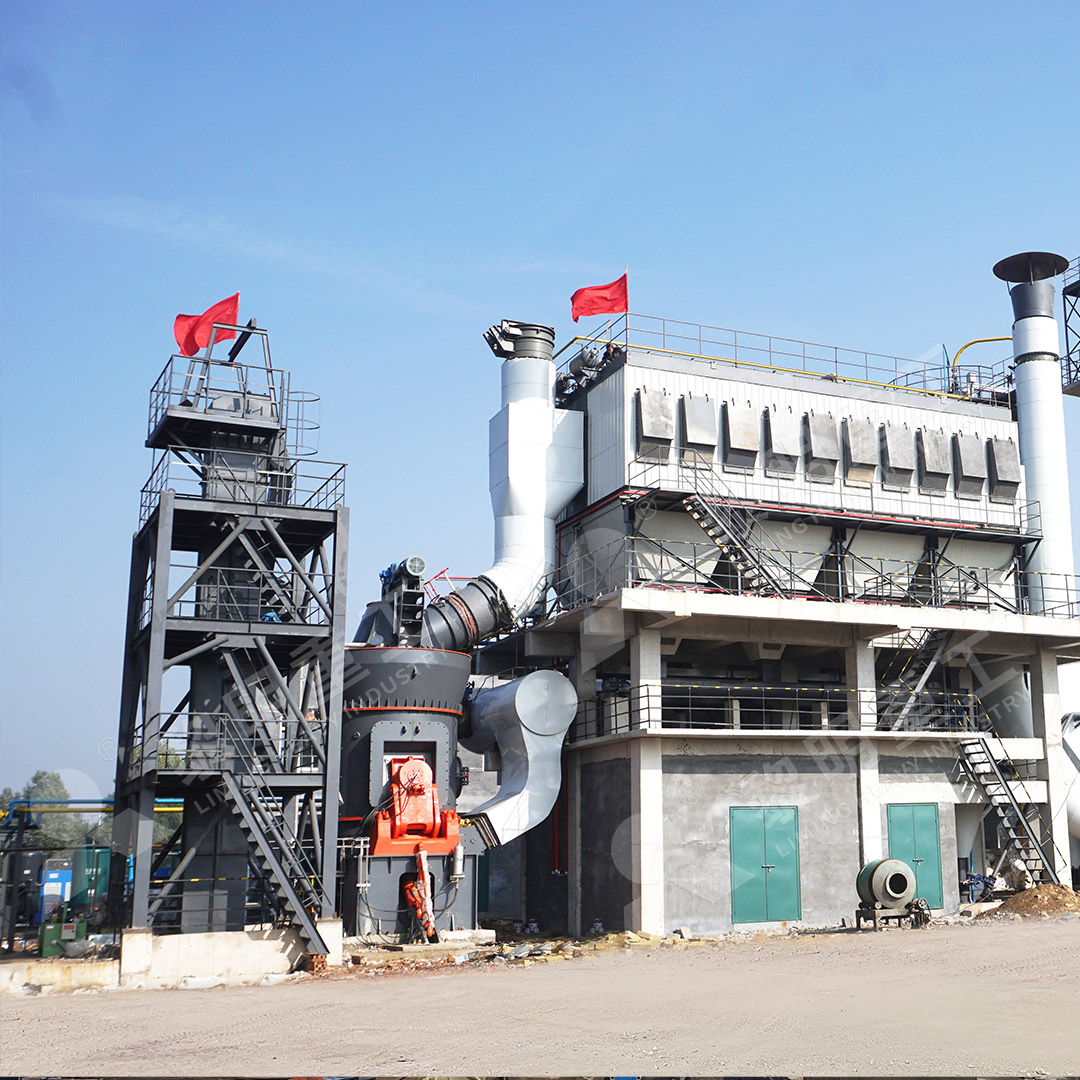
While price is not discussed here, the total cost of ownership (TCO) is critical. A cheap plant might have high energy consumption (kWh per ton), frequent wear part replacement, and high maintenance costs. A modern European mill (MTW) or vertical mill (LM) typically has 20-40% lower energy consumption than a traditional ball mill for the same fineness. Wear parts for barite are moderate, but quality components last longer. Calculate the cost per ton of finished product over five years. Include electricity, grinding media (for ball mills), roller/ring replacement, maintenance labor, and downtime costs. The initial investment in a higher-quality, more efficient machine often pays back within 1-2 years. Also, consider the footprint. A vertical mill or MTW mill requires less floor space and simpler civil works than a ball mill system, which needs separate classifier, bucket elevator, and air system. This reduces installation costs.
Step 7: Finalize the Order and Logistics
Once you have selected the plant, work with the supplier on a detailed technical proposal. It should include the flow diagram, equipment list, electrical layout, foundation drawings, and installation manual. For international buyers, check the shipping details. Our company, based in Zhengzhou, China, has extensive experience in exporting heavy machinery. We handle sea freight and provide complete documentation. Ensure the supplier offers a warranty (typically 12-24 months from commissioning) and that spare parts are readily available. Finally, plan for training. A properly trained operator is the key to maximizing the plant's lifespan and performance. We recommend sending a maintenance technician to our factory for hands-on training or requesting an on-site training program during commissioning.
FAQs
Q1: What is the best mill for grinding barite to 200 mesh for oil drilling?
A Raymond Mill or MTW European Type Trapezium Mill is typically the best choice. They are cost-effective, reliable, and produce consistent 200-325 mesh powder with the required density. For higher capacities (above 10 TPH), an LM Vertical Roller Mill offers significant energy savings and a smaller footprint.
Q2: Can a barite grinding plant handle wet material?
Most barite is dry when processed. If your feed has surface moisture (e.g., from washing), an LM Vertical Mill is ideal as it integrates drying using hot gas. For a Raymond or MTW mill, a separate drying step is usually needed unless moisture is below 6%.
Q3: How long do the grinding rollers and rings last when grinding barite?
This depends on the barite's silica content, but typical wear life for high-chrome rollers and rings is 1,500 to 3,000 hours of operation for a Raymond or MTW mill. Vertical mill wear parts can last 5,000 to 10,000 hours. We provide wear part guarantees based on material analysis.
Q4: Do you provide a complete barite grinding system, including crusher, elevator, and silo?
Yes, we are a one-stop solution provider. Our systems typically include a jaw crusher for primary size reduction, a bucket elevator, a vibrating feeder, the main grinding mill, a classifier, a dust collector, a product silo, and all necessary steel structure, pipes, and electrical control cabinets. We can customize the layout to fit your plant site.
Q5: What certifications does Liming Heavy Industry hold for its barite grinding plants?
Our manufacturing facility is ISO 9001 certified, ensuring consistent quality management. Our equipment meets CE standards for the European market. We also provide specific test certificates for key components such as motors, reducers, and main shafts. We can also generate a warranty certificate upon shipment.


