Published: October 26, 2023
The precise control of setting time in cement-kaolin blended systems is a critical parameter influencing workability, strength development, and final durability of construction materials. Achieving the desired reactivity and particle size distribution of kaolin, a key supplementary cementitious material, hinges on advanced grinding technology. Liming Heavy Industry, with over three decades of expertise in manufacturing crushing and grinding equipment, provides a suite of specialized mills engineered to process kaolin to exacting fineness specifications. This article explores how our vertical roller mills, European-type trapezium mills, and micro powder grinding mills are pivotal in optimizing kaolin powder characteristics, thereby enabling precise modulation of cement setting times for enhanced performance and sustainability in modern construction.
The interaction between cement and kaolin is profoundly influenced by the physical and chemical properties of the kaolin powder. Finer particle sizes increase the specific surface area, accelerating the pozzolanic reaction with calcium hydroxide during cement hydration. This reaction not only contributes to later-age strength but can also impact the initial and final setting times. Therefore, the grinding process must deliver consistent, controllable fineness with high efficiency. Liming Heavy Industry's research and development philosophy, centered on product competitiveness and technological innovation, directly addresses this industrial need. Our equipment is designed to transform raw kaolin into a highly reactive powder that allows cement producers to fine-tune setting behavior according to specific application requirements.
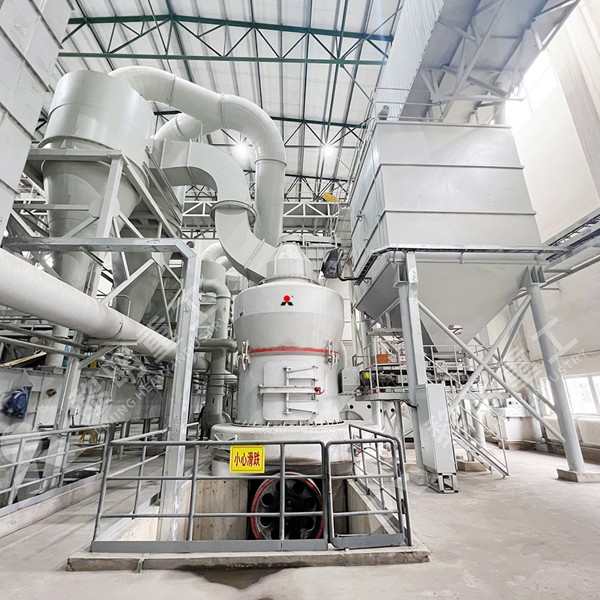 At the core of large-scale production for cementitious applications is the LM Vertical Roller Mill. This system integrates drying, grinding, powder selection, and conveying into a single, automated unit. For kaolin processing, its ability to handle input sizes up to 55mm and deliver outputs ranging from 10 to 400 tons per hour is invaluable. The grinding mechanism, involving rollers pressing against a rotating table, ensures efficient particle size reduction with lower energy consumption compared to traditional ball mills. The integrated high-efficiency classifier allows for instant adjustment of the product fineness, which is directly correlated to the setting time influence of the kaolin. By producing a uniform, high-surface-area kaolin powder, the LM Vertical Mill provides the consistency needed for predictable cement performance.
For projects requiring ultra-fine kaolin to significantly modify setting characteristics or enhance early strength, the MW Micro Powder Mill represents the technological frontier. Incorporating advanced grinding technology, this mill excels in superfine powder processing, achieving fineness levels up to d97 ≤ 5μm (approximately 3250 mesh). Its working principle involves multiple rollers rotating against a raceway, creating intense grinding pressure on the material. The resulting ultra-fine kaolin powder exhibits dramatically increased reactivity. When blended with cement, such fine material can act as a nucleation site for hydration products, potentially accelerating the set. The MW Micro Powder Mill's closed system with a pulse dust collector also ensures an environmentally friendly operation, aligning with green manufacturing goals in the construction materials sector.
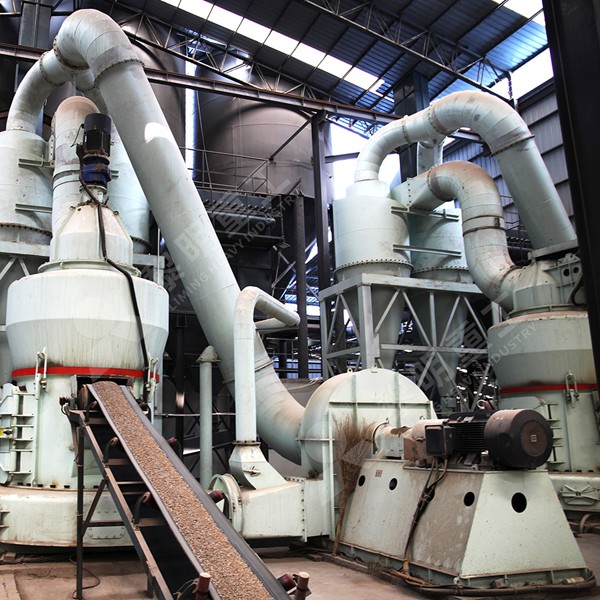 The MTW European Type Trapezium Mill offers a balanced solution, particularly for dedicated mineral powder lines. As an upgrade over traditional Raymond mills, it features patented technology for stable performance and energy savings. Its system—comprising a jaw crusher, vibrating feeder, grinding mill, and separator—forms a complete closed-circuit grinding line. This design is ideal for processing kaolin to a precise fineness range (typically between 44μm and 613μm) for use in cement blends. The accurate classification ensures that oversized particles, which could negatively affect setting time uniformity, are recirculated for further grinding. This results in a tightly controlled particle size distribution, giving cement technologists a reliable raw material to engineer specific setting profiles.
Beyond the machinery, Liming Heavy Industry's commitment to "scientific research tackling key problems" ensures that our grinding solutions are more than just hardware. We understand that kaolin's mineralogy varies, and its grindability impacts mill selection and operation parameters. Our technical support team works closely with clients to optimize the grinding process for their specific kaolin source and desired cement performance outcome. By leveraging our modern scientific management system and precision manufacturing, we deliver equipment that provides the reliability and control necessary for today's high-performance cement and concrete markets. The ability to precisely manipulate kaolin's physical properties through advanced grinding is a powerful tool for developing sustainable, durable, and high-performance building materials.
Frequently Asked Questions (FAQs)
1. How does kaolin fineness specifically affect cement setting time?
Finer kaolin powder has a larger specific surface area, which increases the rate of the pozzolanic reaction with calcium hydroxide liberated during cement hydration. This can generally accelerate the hardening process, potentially shortening the final setting time, while also contributing to denser microstructure and higher later-age strength.
2. Which Liming mill is most suitable for producing kaolin for mass concrete projects requiring controlled setting?
For large-volume production where consistent, medium to fine fineness is key, the LM Vertical Roller Mill is highly recommended. Its high capacity (10-400 T/H), integrated drying capability, and efficient grinding-classification system provide the consistent product quality needed for reliable and controllable setting times in large-scale concrete production.
3. Can your grinding systems handle the moisture content in raw kaolin?
Yes, several of our mills are equipped with integrated drying functions. The LM Vertical Roller Mill, in particular, is designed to simultaneously dry and grind materials, making it excellent for processing kaolin with varying moisture levels without the need for a separate, pre-drying step.
4. What is the primary advantage of the MTW European Type Trapezium Mill over a traditional ball mill for kaolin processing?
The MTW Mill offers significantly higher grinding efficiency and lower energy consumption. Its advanced classifier provides more precise particle size control, resulting in a narrower and more consistent fineness distribution. This consistency is crucial for accurately predicting and managing the kaolin's influence on cement setting time.
5. How does the superfine kaolin from the MW Micro Powder Mill impact cement performance beyond setting time?
Ultra-fine kaolin (d97 ≤ 5μm) greatly enhances the filler effect and pozzolanic reactivity. This leads to improved particle packing density in the cement paste, resulting in higher compressive strength, reduced permeability, and improved long-term durability of the concrete, in addition to its potential effects on accelerating strength gain.


