Published on: October 26, 2023
For industries processing kaolin and similar non-metallic minerals, achieving precise particle size distribution is paramount for product quality and application performance. The Raymond mill, a cornerstone of fine grinding technology, relies heavily on its screen mesh system to control this critical output. This article explores the integral role of screen mesh in kaolin Raymond mills, examining how advanced engineering from manufacturers like LIMING HEAVY INDUSTRY enhances efficiency, fineness control, and operational stability. We will delve into the working principles, technical specifications, and the scientific approach behind optimizing this key component for superior kaolin powder production.
The Raymond mill operates on a well-established principle of grinding and classifying materials like kaolin between grinding rollers and a stationary ring. The ground material is carried by an air stream to the integrated classifier. Here, the screen mesh or the classifier's blades play a decisive role. Particles fine enough to pass through the mesh or be carried by the centrifugal airflow are collected as the final product. Coarser particles are rejected and returned to the grinding chamber for further size reduction. This closed-circuit system ensures consistent fineness, which for kaolin typically ranges from 44μm to 613μm (approximately 325 to 30 mesh), catering to demands in paper coating, ceramics, paints, and plastics.
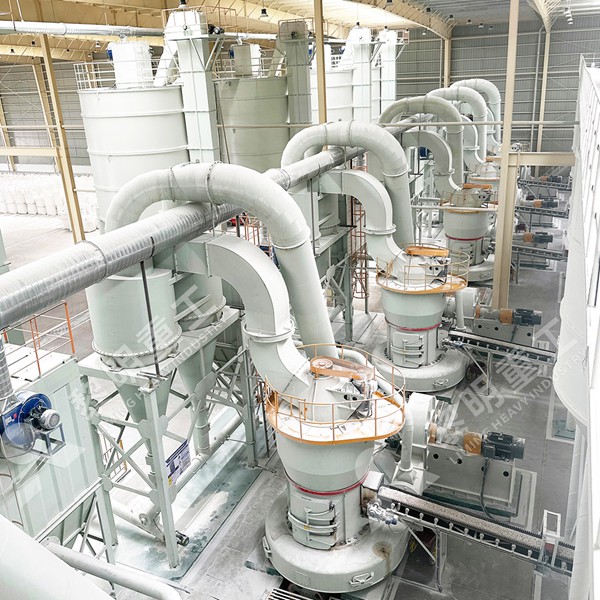
LIMING HEAVY INDUSTRY, with over three decades of expertise in manufacturing crushing and grinding equipment, designs its Raymond mills with a focus on precision and durability. The company's philosophy of "scientific research tackling key problems" is evident in their mill components. The screen mesh system is engineered for high wear resistance, crucial for abrasive materials like kaolin. By utilizing superior alloys and precise manufacturing tolerances, LIMING ensures the mesh maintains its aperture integrity over extended periods, preventing fineness drift and reducing downtime for replacements. This commitment transforms the screen from a simple sieve into a high-performance, longevity-focused component of the grinding ecosystem.
Selecting the appropriate screen mesh is not a one-size-fits-all decision. It requires a thorough analysis of the raw kaolin's characteristics—such as initial moisture content (ideally below 6%) and hardness (below 7 Mohs)—and the desired end-product specifications. A finer mesh will yield a finer powder but may reduce overall throughput. LIMING's technical support team leverages its mature scientific research capabilities to help clients model this balance. Their Raymond mills, with capacities ranging from 1.2 to 4.5 tons per hour, offer the flexibility to be tuned via screen mesh selection and classifier speed to hit exact fineness targets, whether for coarse filler-grade or fine coating-grade kaolin.
Beyond the mesh itself, the overall system design dictates performance. LIMING's Raymond mills are part of a cohesive processing line that may include jaw crushers for primary size reduction, vibrating feeders for consistent material flow, and high-efficiency pulse dust collectors. This integrated approach, where every component from the grinding ring to the air blower is optimized, ensures that the screen mesh operates under ideal, stable conditions. The closed-loop air system minimizes heat loss and improves energy efficiency, while the advanced dust collection guarantees that the valuable kaolin powder is fully recovered in an environmentally compliant manner, aligning with modern green manufacturing standards.
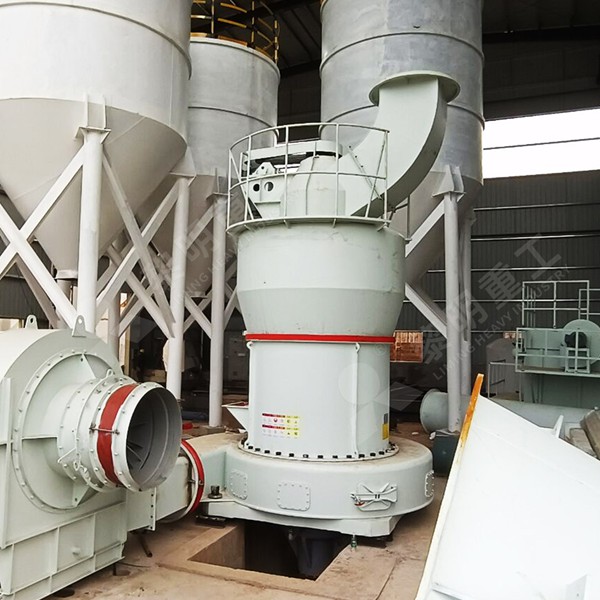
Operational excellence extends to maintenance and innovation. Regular inspection of the screen mesh for wear or blockage is key to sustained performance. LIMING's design facilitates easier access for maintenance checks. Furthermore, the company's relentless pursuit of innovation, seen in their development of next-generation mills like the MTW European Trapezium Mill and MW Micro Powder Mill, informs improvements in their classic Raymond mill line. Insights from these technologies—such as enhanced grinding curve designs and more precise aerodynamic classification—continuously refine the efficiency and capability of the screen-based separation process, ensuring that LIMING's Raymond mill remains a competitive and reliable solution for kaolin processors worldwide.
Frequently Asked Questions (FAQs)
Q1: What is the typical fineness range achievable for kaolin using a Raymond mill?
A: A standard Raymond mill, like those from LIMING, can process kaolin to a fineness between 44μm and 613μm (approximately 325 to 30 mesh). The exact output can be adjusted by changing the screen mesh and tuning the integrated classifier's speed.
Q2: How does the screen mesh affect the mill's production capacity?
A: The screen mesh aperture directly influences capacity. A finer mesh restricts airflow and product discharge, potentially lowering throughput. Selecting a mesh that balances the required product fineness with optimal production rate is crucial for economic operation.
Q3: What maintenance does the screen mesh require?
A: The mesh should be inspected regularly for signs of wear, tear, or clogging. Abrasive materials like kaolin will gradually wear the mesh. Timely replacement is necessary to maintain consistent product fineness. LIMING designs its mills for straightforward access to simplify this maintenance task.
Q4: Can a Raymond mill handle moist kaolin?
A: Traditional Raymond mills are best suited for materials with humidity below 6%. For kaolin with higher moisture content, a drying pre-treatment stage or considering an LM Vertical Roller Mill (which integrates drying) from LIMING's product line may be a more effective solution.
Q5: How does the Raymond mill's screen mesh system compare to newer classifier technologies?
A: The screen mesh/mechanical classifier system in classic Raymond mills is robust and cost-effective for a wide range of fineness requirements. Newer mills, like the MTW European Mill, often use dynamic or turbo classifiers which offer more precise cuts at very fine sizes and higher efficiency but may involve a different operational and investment profile.


