Published: October 26, 2023
Effective valve control within a Raymond mill system is paramount for optimizing kaolin processing, directly influencing product fineness, throughput, and energy efficiency. This article explores the critical role of valve mechanisms in LIMING HEAVY INDUSTRY's Raymond mill technology, detailing how precise airflow and pressure regulation through advanced valve systems ensure consistent, high-quality kaolin powder production. We will examine the integration of these controls within the grinding circuit, their impact on operational stability, and the innovative engineering approaches that underpin our equipment's performance in demanding industrial applications.
At the heart of any efficient kaolin processing line is the ability to maintain a stable internal environment within the grinding mill. Kaolin, a soft white clay mineral, requires a delicate balance of mechanical force and pneumatic conveyance to achieve the desired fineness between 613μm and 44μm without compromising throughput. The valve control system in a LIMING Raymond mill acts as the central nervous system for this process. Primarily, it governs the air classifier, a critical component that separates fine particles from coarse ones, returning the latter for regrinding. Precise valve adjustments directly dictate the cut point of the classifier, enabling operators to target specific fineness levels crucial for kaolin's end-use in paper, ceramics, or paints.
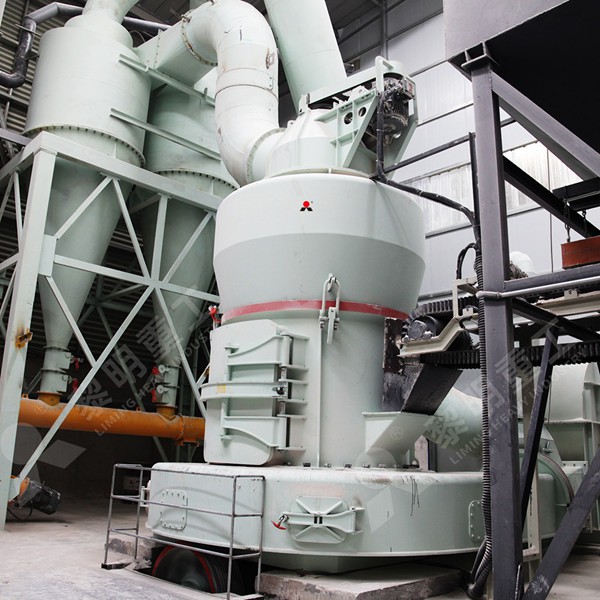
The working principle hinges on a closed-loop pneumatic system. Ground material is carried upward by the airflow generated by a large induced draft fan. As this air-powder mixture enters the classifier, the strategically controlled valves regulate the vortex and airflow velocity. Particles meeting the fineness specification pass through, while coarser particles are rejected by centrifugal force and fall back onto the grinding ring for further size reduction. This entire cycle—grinding, lifting, classifying, and recycling—is sensitively dependent on valve responsiveness. LIMING's design incorporates durable, wear-resistant valve components capable of handling the abrasive nature of kaolin powder, ensuring long-term calibration stability and reducing maintenance downtime.
Beyond classification, valve control is integral to system pressure balance and dust collection. A negative pressure environment is maintained inside the mill to prevent dust leakage and ensure smooth material flow. The coordinated operation of valves at the mill inlet, outlet, and along the piping to the pulse-jet bag filter is managed by an automatic electric control system. This system interprets real-time sensor data on pressure differentials and temperature, making micro-adjustments to valve positions to sustain optimal conditions. This automation not only guarantees consistent product quality but also enhances operational safety and environmental compliance by ensuring the dust collection system functions at peak efficiency.
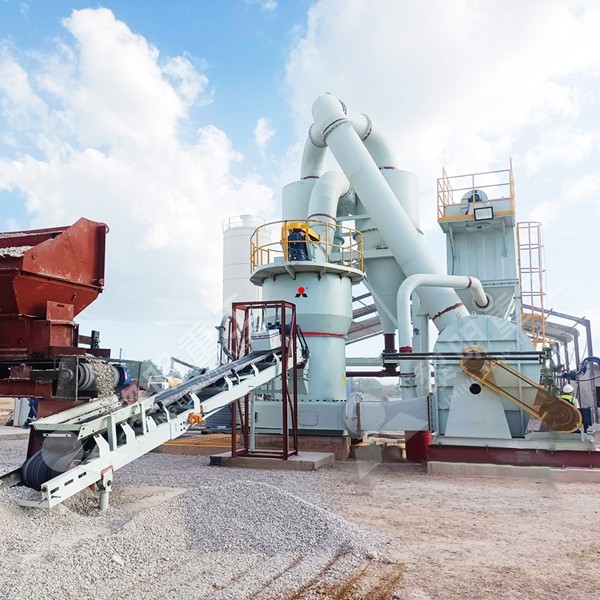
For kaolin producers, the advantages of sophisticated valve control translate into tangible benefits. First, it allows for remarkable flexibility in product specification. A single LIMING Raymond mill can produce various grades of kaolin powder by simply adjusting the control parameters, a process that can often be automated for recipe-based production. Second, it contributes significantly to energy savings. By optimizing airflow and reducing recirculation of already-fine material, the system minimizes the load on the main fan and grinding rollers, lowering power consumption per ton of output. Finally, it ensures system longevity. Stable, balanced pressure reduces abnormal wear on mechanical seals and grinding components, protecting the capital investment.
Drawing from over three decades of experience in manufacturing medium and large-scale grinding equipment, LIMING HEAVY INDUSTRY integrates these valve control philosophies across its grinding technology portfolio. The precision required for kaolin processing in our Raymond mills is a testament to our commitment to "scientific research tackling key problems" and "technological progress." Our modern facilities in Zhengzhou's HI-TECH Industry Development Zone are hubs for developing such innovations, where our mature scientific research team continuously refines these systems to be at the technological frontier of the industry.
In conclusion, valve control is not merely an auxiliary function but a core determinant of performance in kaolin Raymond milling. LIMING HEAVY INDUSTRY's engineered solutions provide the precision, reliability, and automated control necessary to meet the stringent demands of modern non-metallic mineral processing, ensuring that every particle of kaolin is ground, classified, and collected with maximum efficiency and consistency.
Frequently Asked Questions (FAQ)
Q1: How does valve control affect the final fineness of kaolin powder from a Raymond mill?
A1: Valve control directly regulates the airflow and centrifugal force inside the integrated classifier. By adjusting the valves, operators change the classification cut point, allowing only particles below a specific size to exit as product. Precise control enables consistent production across the entire fineness range of 613μm to 44μm.
Q2: Is the valve control system automated, or does it require constant manual adjustment?
A2: LIMING Raymond mills are equipped with advanced automatic electric control systems. While manual override is possible, the system typically uses sensor feedback (pressure, temperature) to automatically adjust valves in real-time, maintaining optimal grinding conditions with minimal operator intervention.
Q3: What maintenance do the valve control components require in abrasive kaolin service?
A3: Valves and related ducts in contact with kaolin powder are designed with wear-resistant materials. Routine maintenance involves periodic inspection for wear, ensuring actuator responsiveness, and checking seals. The closed-circuit design itself minimizes abrasive wear on external system parts.
Q4: Can the same Raymond mill with this valve system process materials other than kaolin?
A4: Yes. The Raymond mill and its control system are suitable for various non-flammable, non-explosive materials under Mohs hardness 7 and humidity below 6%, such as limestone, calcite, barite, and gypsum. The valve settings would be adjusted to suit the different material characteristics.
Q5: How does proper valve control contribute to energy efficiency?
A5: Efficient valve control maintains perfect system pressure balance and optimizes airflow. This prevents the fan from working against unnecessary resistance and reduces the recirculation of already-fine material, thereby lowering the power consumption of both the grinding rollers and the fan motor per ton of finished product.


