Published: October 26, 2023
Filter aid kaolin powder, a critical component in numerous industrial filtration processes, demands precise specifications regarding particle size distribution, purity, and chemical stability. As a leading manufacturer of advanced grinding and milling equipment, Liming Heavy Industry provides the technological backbone for producing high-quality kaolin filter aids. Our machinery portfolio, including the LM Vertical Roller Mill, Raymond Mill, and MW Micro Powder Mill, is engineered to transform raw kaolin into consistently fine, uniform powders essential for efficient solid-liquid separation. This article details the key specifications of filter aid kaolin powder and explores how Liming's precision grinding solutions ensure these stringent standards are met for applications ranging from chemical processing to power plant desulfurization.
The efficacy of kaolin as a filter aid hinges primarily on its physical characteristics. Optimal performance is achieved with a carefully controlled particle size distribution. The powder must possess a high surface area and porosity to trap suspended solids effectively while allowing the filtrate to pass through. Fineness, typically measured in microns or mesh size, is paramount. For many demanding filtration applications, a final product fineness ranging from 44μm (325 mesh) down to superfine levels of 10μm (1250 mesh) or even finer (e.g., d97 ≤ 5μm) is required. Liming's grinding mills are specifically designed to achieve and consistently reproduce these target fineness ranges. For instance, our Raymond Mill produces powder between 613μm and 44μm, suitable for standard filter aid grades, while our advanced MW Micro Powder Mill can achieve ultra-fine grinding up to 3250 mesh, catering to high-precision filtration needs.
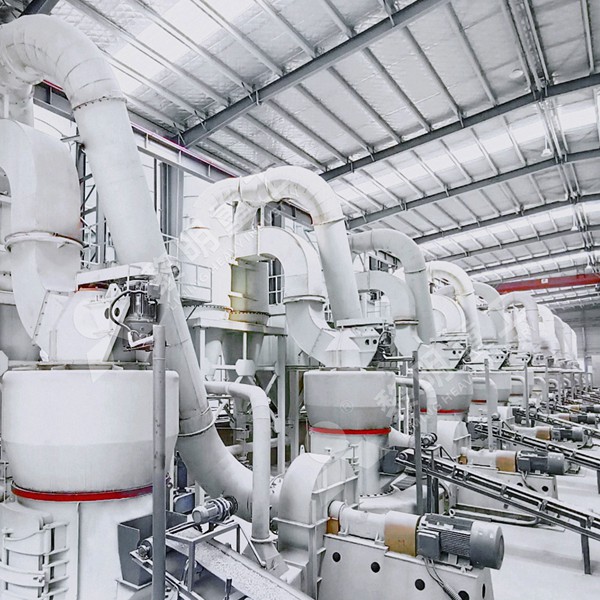 Chemical purity is another non-negotiable specification. Filter aid kaolin must be inert, non-reactive with the process fluids, and free from contaminants that could leach into the product. Our grinding systems are constructed with materials and designs that minimize metallic contamination. The closed-system design of mills like the MTW European Type Grinding Mill, equipped with efficient pulse dust collectors, ensures the processed kaolin remains uncontaminated by external pollutants. Furthermore, the ability to integrate our mills with crushers, feeders, and collectors into a complete, automated production line guarantees a controlled environment from raw material intake to final powder packaging, safeguarding product integrity.
The choice of grinding technology directly impacts the powder's morphology and, consequently, its filtration performance. Liming offers a suite of technologies to match different kaolin specifications. The LM Vertical Roller Mill integrates drying, grinding, powder selection, and conveying, making it ideal for kaolin with initial moisture content, offering capacities up to 400 T/H. Its grinding mechanism promotes the formation of particles with favorable shapes for building permeable filter cakes. For high-volume production of consistent, medium-fine powder, the MTW European Type Trapezium Mill, with its patented technology, offers stable performance and energy efficiency. Its working principle—grinding between ring and rollers with internal recycling of coarse particles—ensures a narrow particle size distribution, a key specification for predictable filtration rates.
For the most demanding specifications requiring ultra-fine, high-purity kaolin powder, the MW Micro Powder Mill is the optimal solution. By absorbing advanced Swedish grinding technology, this mill excels in superfine powder processing. Its ability to adjust fineness between 325 mesh and 3250 mesh allows producers to tailor the filter aid for specific applications, such as polishing filters in the chemical industry or catalyst recovery processes. The gentle yet efficient grinding action helps preserve the crystalline structure of kaolin, which can influence its adsorption properties and performance as a filter aid.
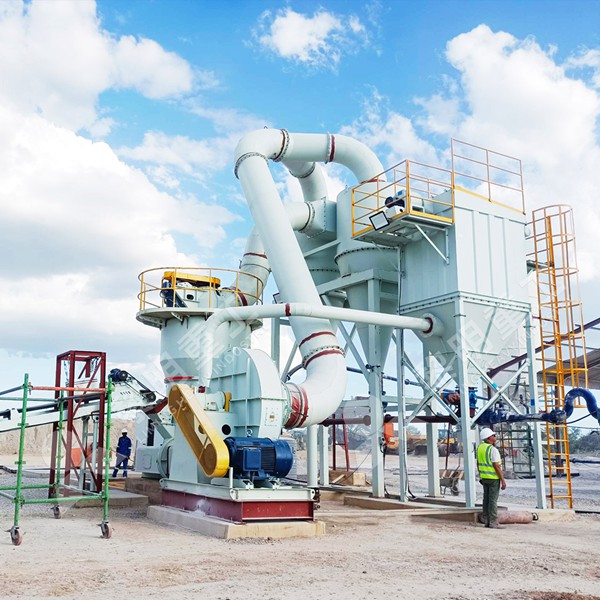 Beyond the core grinding units, Liming Heavy Industry's commitment to "scientific research tackling key problems" ensures our systems contribute to superior kaolin specifications. Our focus on technological advancement means our equipment incorporates features that enhance product quality. Automated electric control systems allow for precise adjustment of operational parameters, directly influencing output fineness and consistency. Environmental control systems, including integrated pulse dust collectors, are not just for regulatory compliance; they are integral to maintaining the purity specifications of the kaolin powder by preventing product loss and cross-contamination.
In summary, producing filter aid kaolin powder that meets exacting industrial specifications requires more than just raw material—it requires precision engineering. Liming Heavy Industry's comprehensive range of crushing and grinding equipment, backed by over three decades of innovation and a modern scientific management system, provides the reliable, scalable, and precise technological foundation. From the robust Ball Mill for general preparation to the ultra-fine capabilities of the MW Micro Powder Mill, our solutions empower producers to achieve the precise particle size, high purity, and consistent quality that define premium filter aid kaolin powder for global markets.
Frequently Asked Questions (FAQ)
- What is the typical fineness range achievable for filter aid kaolin using Liming's equipment?
Our equipment suite covers a wide spectrum. Raymond Mills produce powder from 44μm to 613μm, while our advanced MW Micro Powder Mill can achieve superfine grinding from approximately 44μm (325 mesh) down to d97 ≤ 5μm (over 2500 mesh), allowing precise tailoring for different filtration duties. - How does your equipment ensure the chemical purity of the kaolin powder during processing?
We utilize wear-resistant materials in grinding components, design closed-loop systems with internal air circulation (like in the MTW Mill), and integrate high-efficiency pulse dust collectors. This minimizes exposure to external contaminants and prevents metallic wear debris from compromising the final product's inertness. - Can your systems handle kaolin with inherent moisture content?
Yes, specifically our LM Vertical Roller Mill is designed to integrate drying and grinding processes simultaneously. This makes it highly effective for processing kaolin that requires drying to achieve the optimal moisture specification for a filter aid, typically below 6% humidity. - What makes your MTW European Type Grinding Mill suitable for large-scale filter aid production?
The MTW Mill combines high productivity (3-55 TPH) with energy efficiency and stable performance. Its patented grinding curve and internal powder recycling mechanism ensure a consistent, narrow particle size distribution—critical for uniform filter cake formation—making it ideal for large-volume, high-quality output. - Do you provide complete solutions beyond just the grinding mill?
Absolutely. We engineer and supply complete system solutions, which may include jaw crushers for primary size reduction, vibrating feeders, elevators, piping, powder collectors, and electric control cabinets. This integrated approach guarantees seamless operation and consistent product specification from raw material to finished powder.


