Published: October 26, 2023
Precise pressure adjustment in a Raymond Mill is a critical operational parameter that directly influences the grinding efficiency, product fineness, and energy consumption when processing kaolin and other non-metallic minerals. This article delves into the mechanics of pressure adjustment within Liming Heavy Industry's Raymond Mill systems, exploring its impact on the grinding process, best practices for optimization, and how it integrates with the mill's overall design for superior performance in kaolin applications. Mastering this adjustment is key to achieving the desired balance between throughput, particle size distribution, and operational cost.
At Liming Heavy Industry, our Raymond Mill is engineered for minerals grinding in fields such as building materials, chemicals, and mining. It is specifically suitable for processing non-flammable, non-explosive materials like kaolin with a Mohs hardness under 7 and humidity less than 6%. The heart of its grinding action lies in the assembly of grinding rollers and grinding ring. The grinding pressure—the force exerted by the rollers against the material bed on the rotating ring—is a primary variable controlling the comminution process. Proper adjustment ensures that kaolin particles are effectively crushed and ground to the target fineness range between 613μm and 44μm.
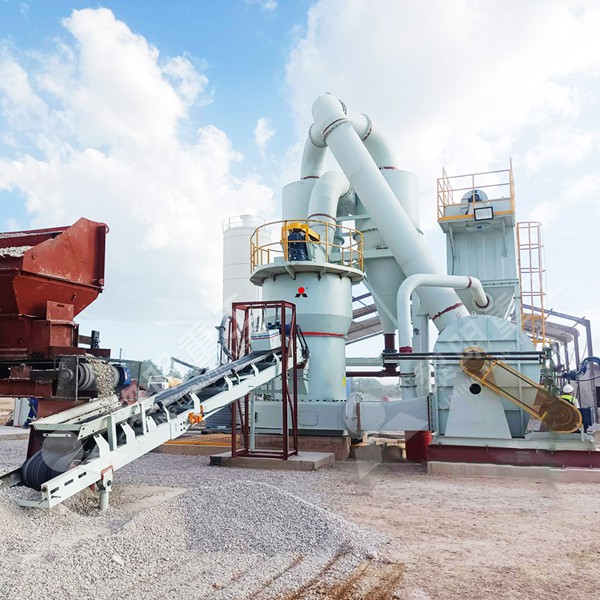
The pressure in traditional Raymond Mill designs, like those we refine at Liming, is typically regulated through a spring linkage system connected to the grinding rollers. By adjusting the tension of these springs, operators can increase or decrease the grinding force. Higher pressure results in finer grinding but also increases the load on the grinding components and the motor. Conversely, lower pressure may boost throughput for coarser products but risks insufficient grinding. For kaolin, which often requires a specific, consistent fineness for applications in paper coating or ceramics, finding the optimal pressure setting is paramount. Our mills are designed with accessible adjustment points to facilitate this fine-tuning.
It's crucial to understand that pressure adjustment does not work in isolation. It interacts dynamically with other system parameters, such as the feed rate (controlled by the vibrating feeder), the speed of the classifier (which determines final particle size), and the air flow volume from the blower. An increase in feed rate may necessitate a corresponding pressure increase to maintain product fineness. Similarly, aiming for a finer product via the classifier often requires higher grinding pressure to produce more fines in the first place. Our technical team emphasizes a holistic approach, viewing the mill as an integrated system where drying, grinding, powder selection, and conveying—all features of our LM Vertical Roller Mill as well—must be in harmony.
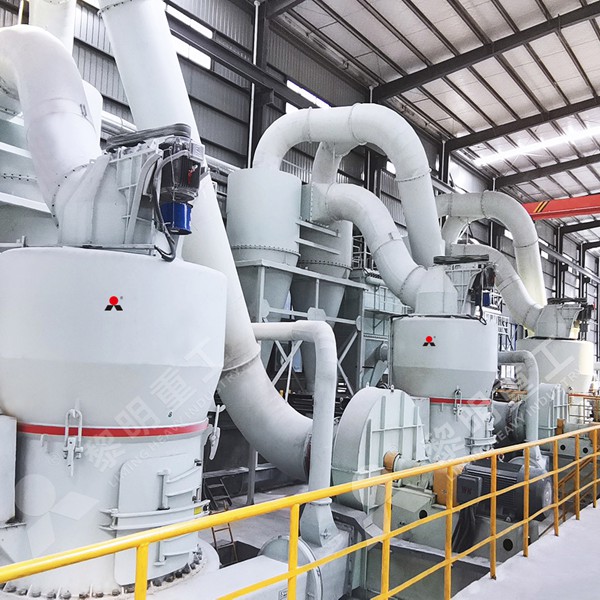
Modern iterations and related technologies from Liming, such as the MTW European Type Grinding Mill, incorporate advanced design features that build upon the classic Raymond Mill principle. While the core concept of controlled grinding force remains, these systems may utilize more sophisticated mechanical designs or hydraulic systems for smoother pressure application and adjustment. This evolution reflects our corporate commitment to "scientific research tackling key problems" and "technological improvement," aiming at the industry's technological frontier to enhance the competitiveness and innovation of our grinding solutions.
For operators, regular monitoring is essential. Signs of incorrect pressure setting include unusual vibration, excessive mill amperage (indicating overload), inconsistent product fineness, or premature wear on grinding rolls and rings. The optimal setting for kaolin will vary based on its specific moisture content, purity, and the desired end-use specification. We recommend starting with manufacturer guidelines and conducting small test runs to calibrate the mill for your specific material batch. This practice aligns with Liming Heavy Industry's philosophy of precision manufacturing and providing reliable, large and medium-sized crushing and grinding equipment backed by a mature scientific research team.
In conclusion, effective pressure adjustment in a Kaolin Raymond Mill is both an art and a science. It leverages the robust mechanical design of the mill—a hallmark of Liming Heavy Industry's manufacturing since 1987—and requires a nuanced understanding of the material behavior and system interdependencies. By mastering this key parameter, producers can maximize their mill's efficiency, ensure consistent high-quality kaolin powder, and extend the operational life of the grinding components, thereby achieving optimal return on investment from their grinding equipment.
Frequently Asked Questions (FAQ)
1. What are the main consequences of excessive grinding pressure in a Raymond Mill?
Excessive pressure leads to higher energy consumption, increased wear on grinding rollers and the ring, potential overheating of the system, and may generate excessive fines beyond the target specification, reducing overall classification efficiency.
2. How does the moisture content of kaolin affect the pressure adjustment?
Higher moisture can cause material agglomeration and sticking, potentially requiring a different pressure and air flow balance. Our mills integrate drying functions, but feed material should generally be below 6% humidity as specified. Drier material typically grinds more freely, allowing pressure adjustments to focus purely on fineness control.
3. Is pressure adjustment a frequent task during operation?
No, it is not typically a daily adjustment. Once the optimal pressure is set for a specific kaolin grade and target fineness, it should remain stable. Re-adjustment might be needed only when the material characteristics change significantly or when switching to a different product specification.
4. Can the grinding pressure be adjusted while the mill is running?
In most traditional spring-based Raymond Mill designs, significant pressure adjustments require the mill to be stopped for safety and precision. However, some modern systems with hydraulic mechanisms may allow for minor on-the-fly adjustments. Always consult the specific operational manual for your Liming equipment.
5. How is grinding pressure related to the final product's particle size distribution?
Grinding pressure primarily affects the size reduction in the grinding zone. Higher pressure creates finer primary particles. However, the final particle size distribution is predominantly determined by the integrated classifier's speed and efficiency. The pressure must be set to provide the classifier with adequately ground material to achieve the desired cut point.


