Published: October 26, 2023
The production of high-performance cable insulation demands kaolin of exceptional purity and precisely controlled particle size distribution. Achieving the necessary fineness, whiteness, and chemical stability requires advanced grinding technology capable of efficient, contamination-free processing with consistent output. Liming Heavy Industry, with over three decades of expertise in manufacturing industrial grinding equipment, offers a range of specialized mills engineered to meet the stringent requirements of the cable industry. From high-capacity vertical roller mills for large-scale production to ultra-fine micro powder mills for superior surface properties, selecting the correct grinding system is paramount for optimizing kaolin's dielectric strength, flexibility, and thermal resistance in insulation applications.
Kaolin, or china clay, is a critical functional filler in cable insulation compounds, primarily for its ability to enhance electrical insulation properties, improve mechanical strength, and provide thermal conductivity. For these benefits to be fully realized, the kaolin must undergo rigorous processing to remove impurities and achieve a specific, often very fine, particle size. The grinding process must not introduce metallic contaminants, must operate efficiently to control production costs, and must offer precise control over the final product's fineness and particle shape. Liming Heavy Industry's research and development philosophy, centered on scientific innovation and technological advancement, directly addresses these challenges through a portfolio of grinding solutions.
For large-scale cable insulation material producers, the LM Vertical Roller Mill presents a highly efficient solution. Its integrated design combines drying, grinding, powder selection, and conveying in a single unit, which is ideal for processing kaolin that may contain residual moisture. With a capacity range of 10-400 T/H, it supports high-volume production lines. The grinding mechanism, where rollers press and grind materials on a rotating table, minimizes metal-to-metal contact, thereby reducing the risk of ferrous contamination—a critical concern for electrical grade kaolin. The ability to handle input sizes up to 55mm also simplifies the upstream crushing circuit.
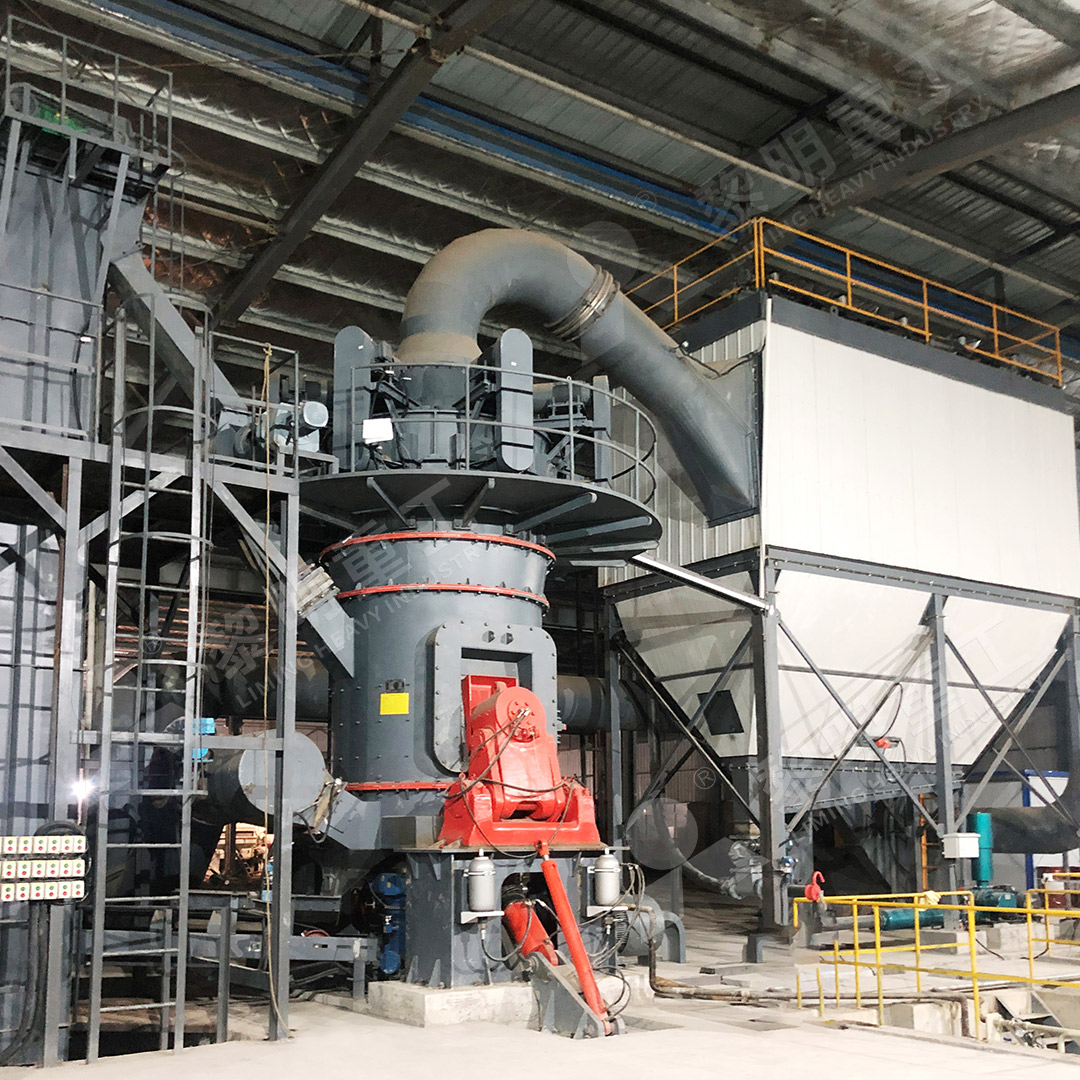
When the application calls for producing kaolin powders in the traditional fine powder range (44-613μm), the classic Raymond Mill remains a reliable and cost-effective workhorse. Its widespread use in non-metallic mineral processing is a testament to its durability and simplicity. For cable-grade kaolin requiring controlled humidity (below 6%) and non-abrasive grinding, the Raymond Mill offers stable output and easy operation. Its airflow classification system ensures a consistent product fineness, which is crucial for maintaining uniform dielectric properties throughout the insulation material.
The pursuit of higher efficiency and finer products within the medium-capacity range leads to the MTW European Type Grinding Mill. As an evolution of traditional pendulum mills, it incorporates patented technology for greater stability and productivity. Its significance for cable insulation lies in its commitment to energy efficiency and environmental protection, featuring a completely closed-circuit system with a pulse dust collector. This not only ensures a clean production environment but also maximizes product yield by recycling the air flow. The system's comprehensive design, from jaw crusher to final powder collector, provides a complete, automated grinding line ideal for dedicated kaolin processing plants aiming for high-quality, large-scale output of fine powders.
For premium cable insulation applications where ultra-fine kaolin (d97 ≤ 5μm) or even superfine kaolin is required to maximize surface area and improve composite material properties, the MW Micro Powder Mill is the technological answer. This mill absorbs advanced grinding technology and excels in superfine powder processing. The extremely fine and adjustable fineness (325-3250 mesh) allows manufacturers to tailor kaolin's performance characteristics precisely. The enhanced surface properties of micro-ground kaolin can lead to improved dispersion within the polymer matrix, resulting in insulation with better mechanical integrity and electrical performance. Like the MTW series, it is equipped with efficient dust collection, making the entire process green and suitable for modern, environmentally conscious manufacturing facilities.
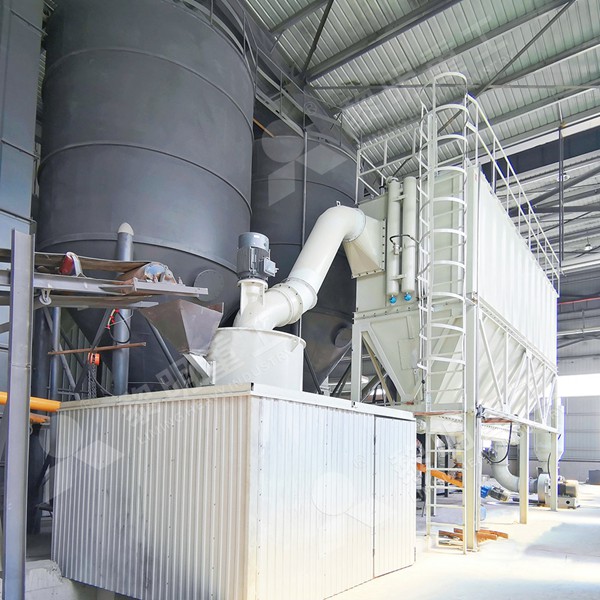
While versatile, the traditional Ball Mill also finds its place in certain kaolin processing circuits, particularly where simultaneous grinding and mixing with other components is considered, or for specific particle shape requirements. Its ability to grind various materials is well-known. However, for dedicated, high-purity kaolin grinding for cable insulation, the potential for grinding media wear and subsequent contamination necessitates careful selection of liner and ball materials (e.g., alumina ceramics). Liming's ball mills offer robust construction and can be integrated into circuits where such trade-offs are acceptable for the target product specification.
In conclusion, meeting the exacting standards of the cable insulation industry for kaolin is a multifaceted challenge that extends beyond simple size reduction. It encompasses purity, energy efficiency, production scale, and precise fineness control. Liming Heavy Industry, with its modern manufacturing bases in Zhengzhou and a corporate ethos driven by scientific research and technological progress, provides a spectrum of grinding equipment—from the high-capacity LM Vertical Mill to the ultra-fine MW Micro Powder Mill—to craft the ideal solution. By partnering with an experienced equipment manufacturer, cable material producers can ensure their kaolin feedstock is processed to the highest standards, forming the foundation for reliable, high-performance insulation.
Frequently Asked Questions (FAQs)
- What is the most critical factor in choosing a mill for electrical-grade kaolin?
The paramount factor is minimizing the risk of metallic contamination. Mills that utilize grinding principles with reduced metal-to-metal contact, such as vertical roller mills or mills with advanced ceramic liners, are preferred to maintain the high purity required for optimal dielectric properties. - Can your mills handle kaolin with varying moisture content?
Yes, several of our mills are equipped with integrated drying capabilities. The LM Vertical Roller Mill, for instance, can simultaneously dry and grind materials, making it suitable for kaolin with residual moisture without the need for a separate, energy-intensive drying step. - How is particle size distribution controlled in your grinding systems?
Particle size is precisely controlled through integrated dynamic or static classifiers. In mills like the MTW European Type Mill and the LM Vertical Mill, the separator settings can be adjusted in real-time to reject coarse particles for re-grinding, ensuring a tight and consistent fineness distribution in the final product. - Is superfine kaolin (below 5μm) beneficial for cable insulation?
Yes, superfine kaolin offers a significantly higher surface area, which can improve its interaction with the polymer matrix. This often leads to better dispersion, enhanced mechanical strength, and potentially improved thermal and electrical properties in the final insulation compound. - What after-sales support do you provide for your grinding equipment?
Our support encompasses comprehensive installation guidance, operator training, readily available spare parts, and access to a technical service team with deep knowledge of mineral processing applications. We are committed to ensuring the long-term performance and reliability of our equipment in your production line.


