Published on: October 26, 2023
Selecting the optimal motor power for a Raymond Mill processing kaolin is a critical engineering decision that directly impacts operational efficiency, product quality, and long-term cost-effectiveness. This article, drawing from the extensive expertise and product portfolio of LIMING HEAVY INDUSTRY, provides a detailed analysis of the key factors influencing motor power selection for kaolin grinding applications. We will explore the relationship between kaolin's physical properties, desired output specifications, and the technical parameters of our Raymond Mill systems, offering a framework for making informed, reliable power decisions that ensure peak mill performance and longevity.
The foundation of proper motor sizing begins with a thorough understanding of the material. Kaolin, or china clay, varies significantly in hardness, moisture content, and feed size. While generally a soft mineral (Mohs hardness ~2.0-2.5), its natural moisture and the presence of minor abrasive impurities can influence the grinding effort required. A Raymond Mill, such as those engineered by LIMING HEAVY INDUSTRY, is exceptionally well-suited for this task. Its design—grinding via rollers against a stationary ring—applies force efficiently to brittle, non-metallic minerals like kaolin. The motor must supply sufficient torque to initiate and maintain this grinding action, especially under full load with the specified feed rate.
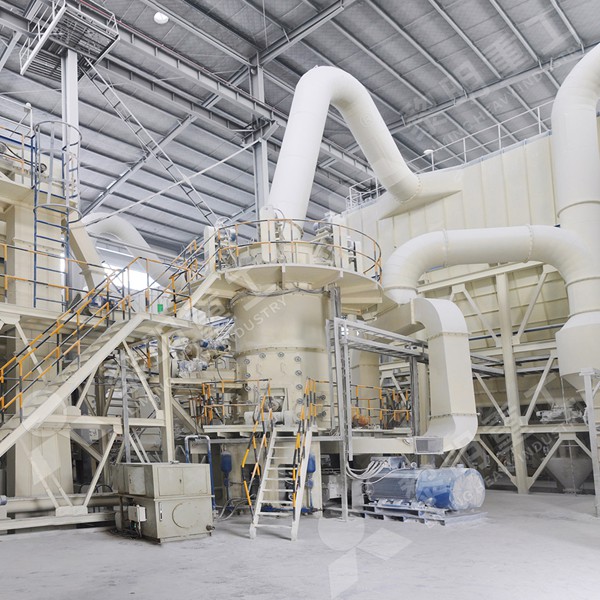
Primary determinants of motor power include the target capacity and fineness. For instance, aiming for a higher throughput (e.g., towards the upper range of our mill's 1.2-4.5 T/H capacity) while simultaneously achieving a very fine powder (e.g., 44μm or finer) demands substantially more power. The grinding process becomes more intensive as particle size decreases, requiring multiple passes and more work from the grinding rollers. The integrated classifier, which recirculates coarse particles, also adds to the system's aerodynamic load, which the main motor must overcome. Therefore, a project requiring high-capacity, ultra-fine kaolin powder will necessitate a motor at the higher end of the power spectrum for that mill model.
System configuration and ancillary equipment play a crucial role. A complete grinding line from LIMING HEAVY INDUSTRY is not just a mill; it includes the feeder, crusher, blower, and dust collection system. While the main motor drives the grinding assembly, the power for the induced draft fan (blower) is often significant. This fan creates the necessary air flow to transport the ground kaolin through the classifier and to the cyclone collector. The resistance in this closed-circuit airflow system, influenced by pipe layout and filter condition, affects the fan's load. Although this is a separate motor, its selection is part of the overall plant's power design and impacts the electrical infrastructure. Properly matching the grinding motor power with the capabilities of these supporting components is essential for a balanced, efficient system.
Operational factors and future-proofing are often overlooked. Starting torque, especially when the grinding chamber contains residual material, can be 150-200% of the running torque. The motor and its starter must handle this inrush current. Furthermore, ambient conditions—such as high altitude or temperature—can derate a standard motor's output. At LIMING HEAVY INDUSTRY, our engineering recommendations account for these variables, often suggesting a motor with a 10-15% power margin above the calculated theoretical requirement. This margin safeguards against unexpected material variability, slight overfeeding, and gradual wear of grinding parts without risking motor overload. It is a strategy for ensuring consistent productivity and reducing downtime.
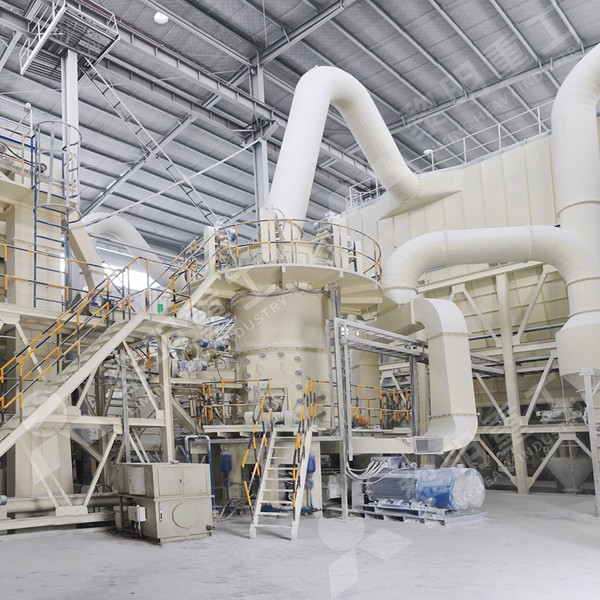
In conclusion, selecting the motor for a Kaolin Raymond Mill is a multidimensional process. It synthesizes material science (kaolin properties), process goals (fineness and capacity), mechanical design (mill and system layout), and practical electrical engineering. Relying on standardized formulas without context can lead to underpowered, strained operations or wasteful over-capitalization. With over three decades of experience in manufacturing grinding equipment like the Raymond Mill, MTW European Grinding Mill, and Vertical Roller Mill, LIMING HEAVY INDUSTRY provides not just machines, but integrated solutions. Our technical team assists clients in modeling their specific kaolin applications to specify a motor that delivers optimal energy efficiency, operational reliability, and precise product quality for years to come.
Frequently Asked Questions (FAQ)
- What are the main advantages of using a Raymond Mill for kaolin over other grinding methods?
Raymond Mill offers an excellent balance of energy efficiency, fine-tuning capability (613μm to 44μm), and relatively low wear for soft materials like kaolin. Its closed-circuit system with an integrated classifier allows for precise control over product fineness without over-grinding, making it highly cost-effective for dedicated kaolin processing lines. - How does the moisture content of raw kaolin affect motor power selection?
Higher moisture increases the material's adhesion and can temporarily increase grinding resistance. While our Raymond Mill can handle materials with <6% humidity, feed with moisture near this upper limit may require slightly higher motor power to maintain the same throughput compared to bone-dry kaolin, as the system's internal drying action consumes additional energy. - Can the same Raymond Mill model be used for both coarse and ultra-fine kaolin powder by just changing the motor?
Not typically. While motor power is a key component, achieving vastly different fineness ranges (e.g., 200 mesh vs. 800 mesh) often involves adjustments to the classifier speed, roller pressure, and sometimes the grinding ring/roller profile. The motor is selected to provide the necessary power for the intended operating range of that specific mill configuration. - Is a variable frequency drive (VFD) recommended for the main motor on a kaolin Raymond Mill?
A VFD can be highly beneficial. It allows for soft starting, reducing mechanical and electrical stress, and enables fine-tuning of the main shaft speed to optimize grinding conditions for different kaolin grades or fineness targets. It can also contribute to energy savings under partial load conditions. - What maintenance practices help ensure the motor operates at its designed efficiency over time?
Regular checks of motor amperage against the baseline load are crucial. Over-amperage can indicate issues like worn grinding parts increasing resistance, improper feed rates, or bearing problems. Ensuring proper ventilation, regular lubrication per manufacturer specs, and checking electrical connections for tightness are fundamental to maintaining motor efficiency and lifespan.


