Environmental regulations for mineral processing plants are becoming stricter worldwide. In many countries, dust emissions from grinding operations are closely monitored, and fines for non-compliance can be severe. Liming Heavy Industry's Kaolin Raymond Mill is designed to operate as a completely sealed, low-dust system, helping processors meet local environmental standards without expensive add-on equipment.
The key to dust control is the negative-pressure operation. The mill housing, classifier, cyclone, and bag filter are all connected in a closed circuit. A centrifugal fan pulls air through the system, keeping the pressure inside the mill lower than atmospheric pressure. This means that even if a small leak develops, air flows into the mill rather than dust escaping out.
After grinding, the fine kaolin powder is carried by air to the cyclone collector, where most of the product (around 85–90%) is collected. The remaining fine dust-laden air then passes through a pulse-jet bag filter. This filter uses compressed air pulses to clean the filter bags automatically, maintaining high collection efficiency (99.9% or higher). Clean air is then exhausted to the atmosphere or recirculated to the mill inlet.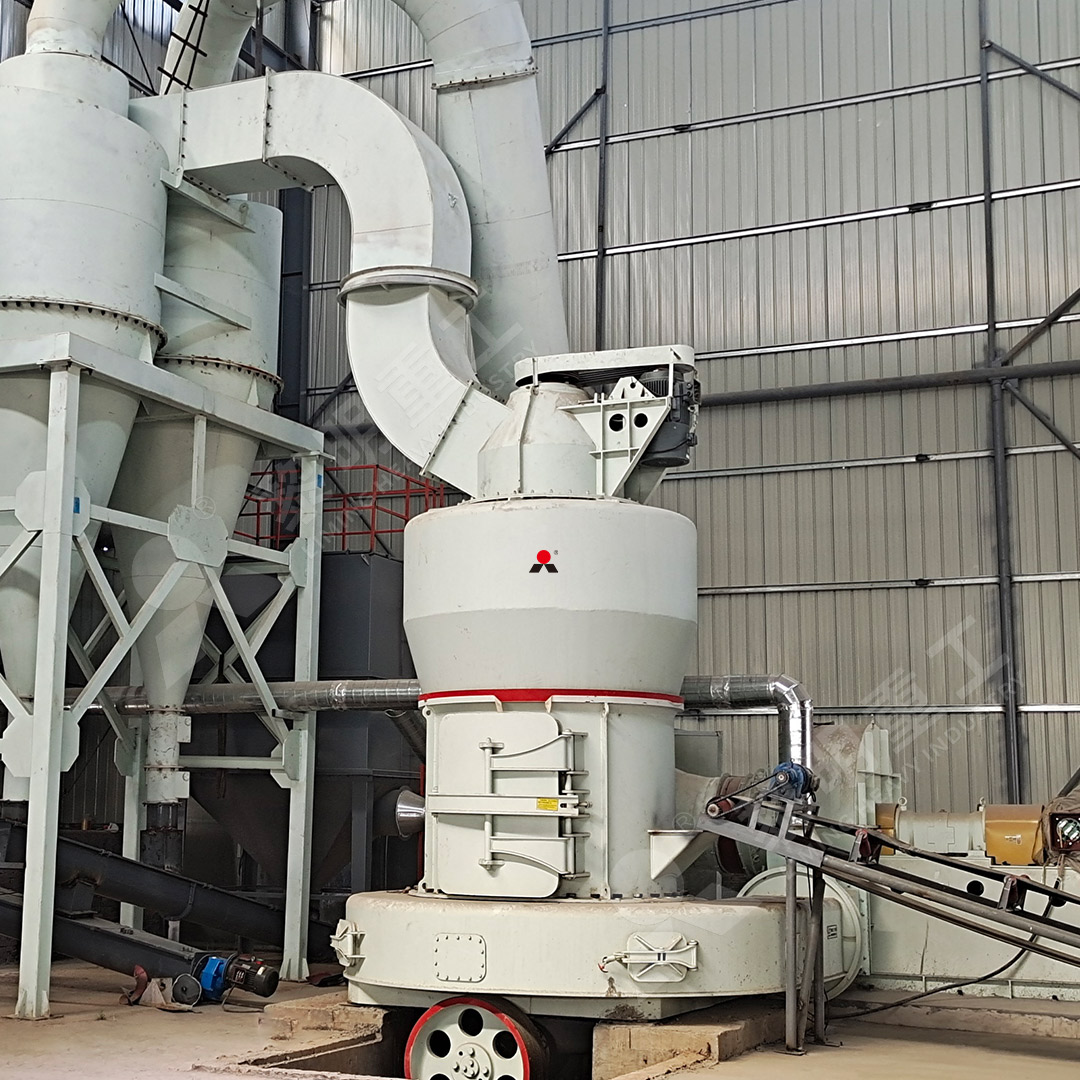
The entire system produces no visible dust emission. Typical outlet dust concentration is below 20 mg/Nm³, which meets or exceeds environmental standards in most countries, including China's GB 16297, EU's Industrial Emissions Directive, and US EPA standards for mineral processing.
In addition to dust control, the Liming Kaolin Raymond mill operates at a relatively low noise level – typically 75–85 dBA at 1 meter – significantly quieter than ball mills or hammer mills (which often exceed 100 dBA). This improves working conditions for plant operators and helps meet occupational noise limits.
For processors who want to go beyond compliance, Liming can supply a fully enclosed mill building with a central dust collection system and real-time particulate monitoring. These solutions are often required for plants located near residential areas or in environmentally sensitive zones.
5 FAQs for Article 4:
Q: Does the Raymond mill produce any visible dust during normal operation?
A: No. The system is fully sealed and operates under negative pressure. No dust should escape from the mill, cyclone, or bag filter if properly maintained.Q: What is the typical outlet dust concentration after the bag filter?
A: Below 20 mg/Nm³. Liming can design for even lower levels (below 10 mg/Nm³) if required by local regulations.Q: How often do the filter bags need to be replaced?
A: Typically every 2–3 years for continuous operation, depending on the abrasiveness of kaolin dust. Liming uses high-quality polyester or PTFE felt bags.Q: Can I recirculate the exhaust air to save energy in winter?
A: Yes. A recirculation damper can be installed to return warm exhaust air to the mill inlet. This reduces the need for air heating in cold climates.Q: Does Liming provide environmental compliance testing after installation?
A: Yes. Liming includes stack emission testing and noise level measurement as part of the commissioning package. A compliance report is provided to the customer.


