Energy consumption is one of the largest operating expenses in any kaolin grinding plant. For processors in Vietnam, Indonesia, Brazil, and other kaolin-producing regions, reducing power usage without sacrificing output is a constant challenge. Liming Heavy Industry's Kaolin Raymond Mill addresses this challenge directly, offering energy savings of 25–35% compared to conventional ball mills or hammer mills.
How does the Liming Raymond mill achieve such savings? The answer lies in its grinding principle. Unlike ball mills that rely on impact and attrition through heavy steel balls rolling inside a rotating drum, the Raymond mill uses compression and shearing between the grinding roller and grinding ring. The roller presses directly onto the material with centrifugal force, converting most of the mechanical energy into grinding work rather than heat or noise.
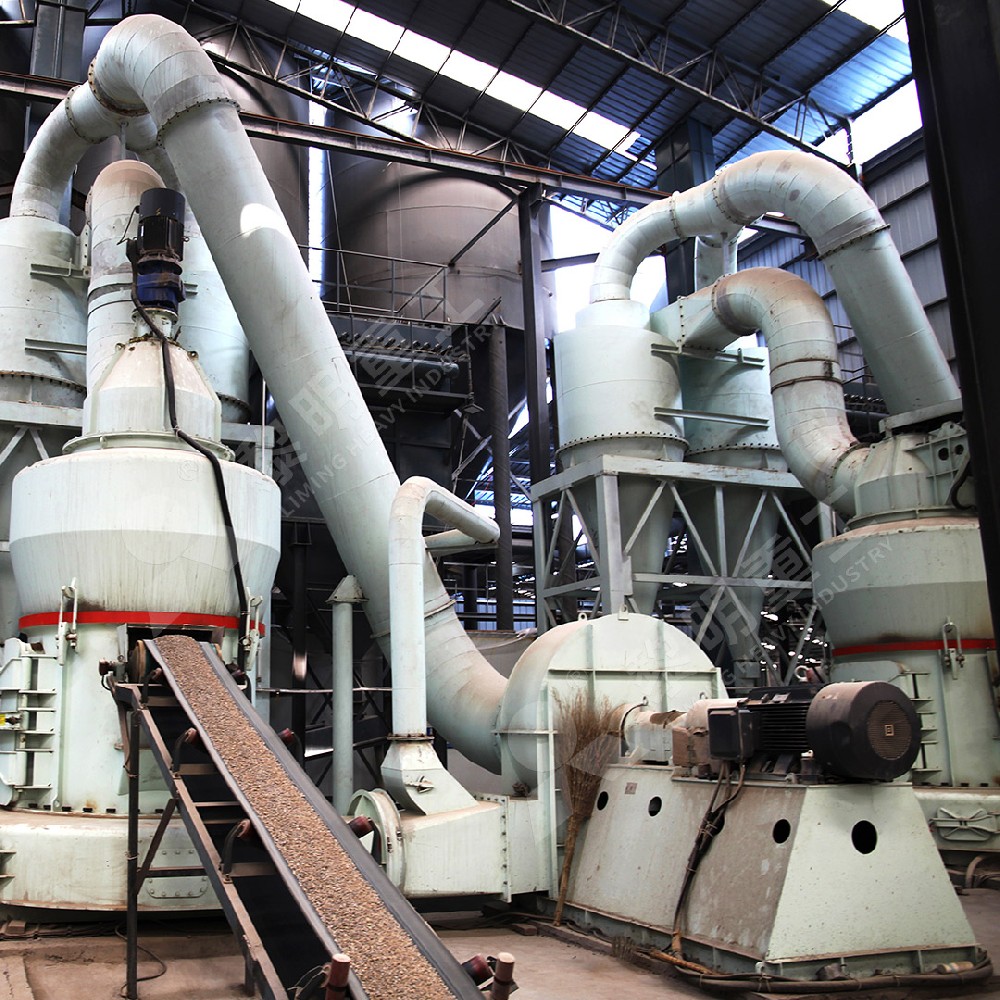
Additionally, the Liming Kaolin Raymond mill features a built-in classifier that returns oversize particles directly to the grinding zone. This eliminates the need for external screening or recycling elevators, both of which consume extra power. The system operates under negative pressure, so the fan only needs to move air through the mill and cyclone – not through long external ducts.
Another energy-saving feature is the variable frequency drive (VFD) option for the main motor. With a VFD, operators can adjust the roller speed to match the feed rate and target fineness. Running the mill at partial load without overspeeding saves substantial electricity, especially during off-peak production.
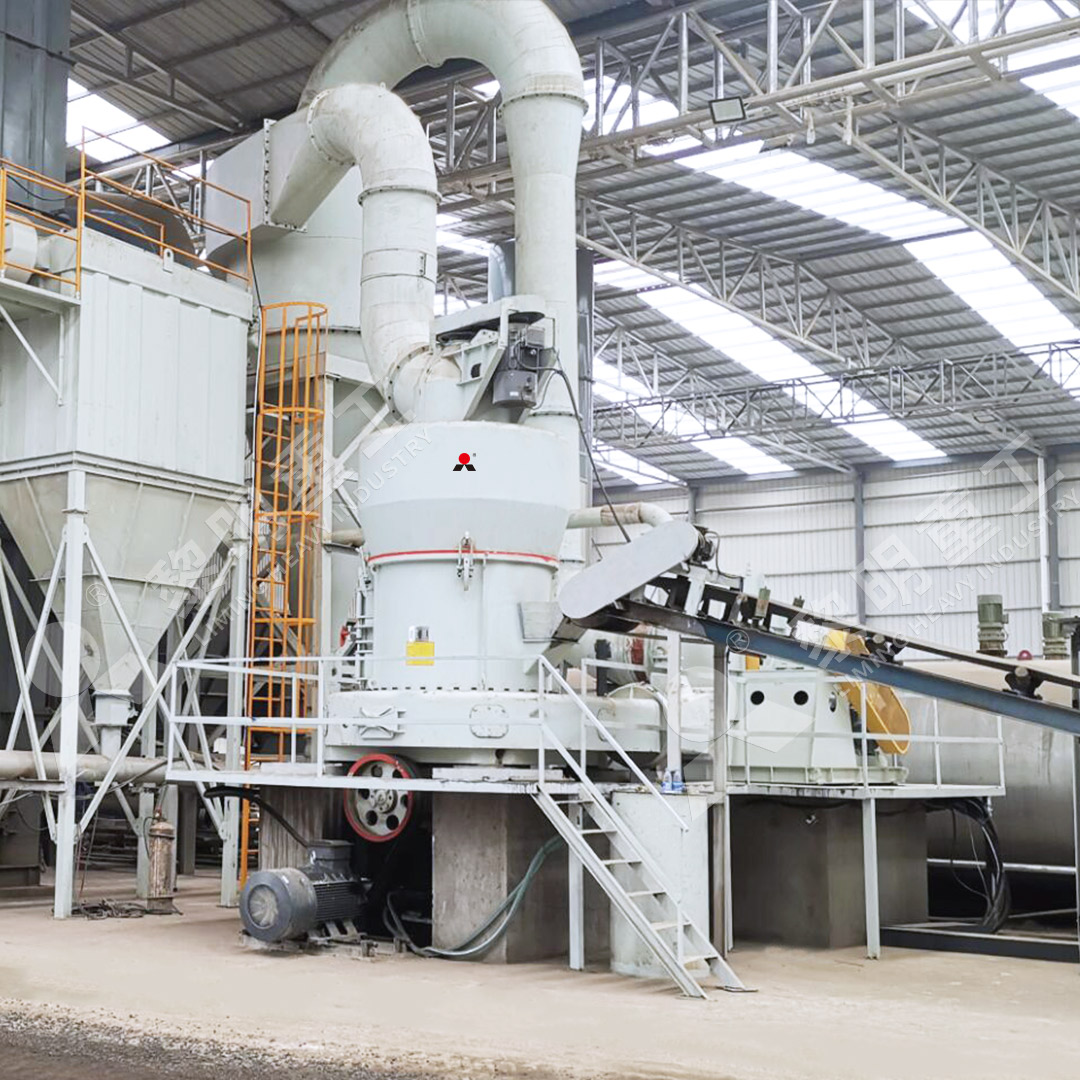
For a typical 5 ton/hour kaolin grinding line, switching from a ball mill to a Liming Raymond mill can reduce annual electricity costs by tens of thousands of US dollars. Over the equipment's 10-year lifespan, the cumulative savings often exceed the initial purchase price of the mill. Liming provides on-site energy audits to verify savings before purchase.
FAQs :
Q: Is the 25–35% energy saving verified by actual customers?
A: Yes. Multiple kaolin processors in Southeast Asia and South America have reported savings within this range after replacing old ball mills with Liming Raymond mills.Q: Does the Raymond mill require a separate dryer?
A: No, but feed moisture must be below 6%. If your raw kaolin is wetter than this, you need a separate rotary dryer before the mill.Q: Can I install a variable frequency drive on an existing Raymond mill?
A: Yes. Liming offers retrofit VFD kits for older Raymond mills. Contact Liming's technical team for a compatibility check.Q: How does the Raymond mill compare to a vertical roller mill for kaolin?
A: For capacities under 15 t/h and fineness up to 400 mesh, the Raymond mill is more economical. Above that, the vertical roller mill (LM series) offers better efficiency.Q: Does Liming guarantee the energy consumption figures?
A: Yes. Liming provides guaranteed power consumption per ton of product in the technical contract. If not met, adjustments or replacements are made at no cost.


