Published on: October 26, 2023
The processing of kaolin, a vital refractory material, demands precision, efficiency, and specialized machinery to transform raw clay into high-purity, thermally stable products for industrial applications. As a leader in grinding and crushing technology with over three decades of expertise, Liming Heavy Industry provides integrated system solutions tailored for kaolin beneficiation. Our advanced equipment portfolio, including the LM Vertical Roller Mill, MTW European Type Grinding Mill, and MW Micro Powder Mill, is engineered to handle the entire process chain—from crushing and drying to fine grinding and classification—ensuring optimal particle size distribution, whiteness, and chemical consistency. This article explores the critical stages of kaolin processing and how Liming's innovative technologies deliver reliability, energy efficiency, and environmental compliance for refractory manufacturers worldwide.
Kaolin, or china clay, is valued in refractory applications for its high fusion temperature, chemical inertness, and ability to enhance structural integrity under extreme heat. Processing begins with the comminution of raw ore. For primary crushing, Liming's robust jaw crushers reduce large lumps to a manageable size, typically below 50mm. This step is crucial for preparing feed material for subsequent grinding stages. The crushed kaolin often contains moisture and impurities, necessitating drying and purification. Here, the integration of drying within grinding mills becomes a significant advantage.
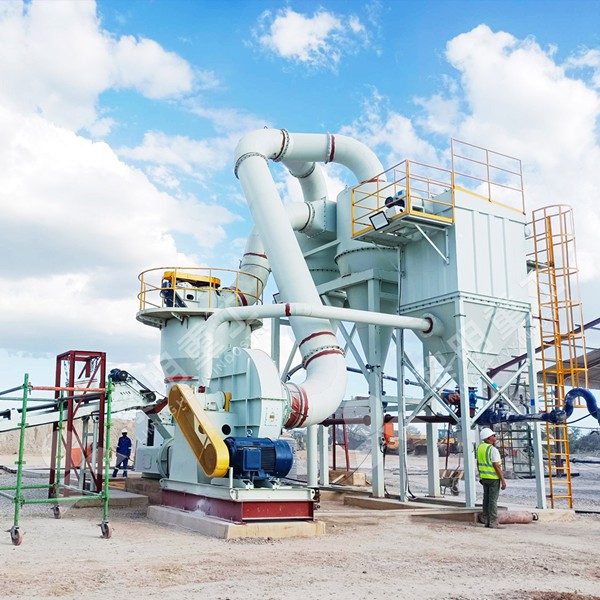 Our flagship LM Vertical Roller Mill exemplifies this integrated approach. It combines drying, grinding, powder selection, and conveying in a single unit. By utilizing hot gas from a dedicated generator, the LM mill efficiently dries moisture-laden kaolin while simultaneously grinding it. Its grinding rollers directly contact the material bed on a rotating table, applying pressure for efficient size reduction with lower energy consumption compared to traditional ball mills. This system is particularly effective for producing medium-fineness kaolin powder in the range of 30-400 mesh, suitable for many refractory brick and mold formulations.
For ultra-fine grinding requirements essential for high-performance refractory coatings and specialty ceramics, Liming's MW Micro Powder Mill is the technology of choice. This mill incorporates advanced Swedish design principles to achieve fineness levels up to 3250 mesh (d97 ≤ 5μm). Its working principle involves multiple rollers rotating against a stationary ring raceway, creating intense shear and compressive forces on the kaolin particles. The integrated classifier ensures precise top-cut control, yielding a consistently fine and narrowly distributed product. The ultra-fine kaolin powder produced enhances the density and thermal shock resistance of final refractory products.
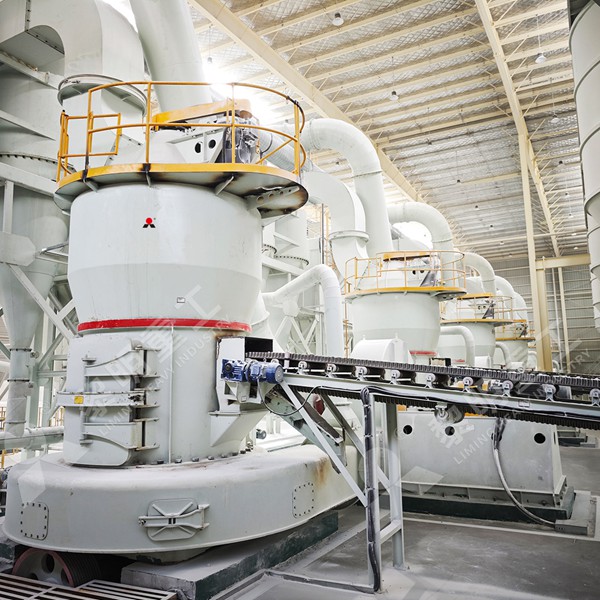 A complete kaolin processing line extends beyond the core mill. Liming designs and supplies turnkey systems. The MTW European Type Trapezium Mill system is a prime example, comprising a jaw crusher, vibrating feeder, mill, separator, blower, and dust collector. This closed-circuit, negative-pressure operation is key for kaolin processing. It prevents dust emission, protects product purity, and recovers heat. The pulse-jet bag dust collector ensures the workshop environment meets stringent international environmental standards. Such a system is highly automated, with electric control cabinets managing feed rates, grinding pressure, and classifier speed for stable, high-output production of consistent-quality kaolin powder.
Selecting the right equipment depends on the desired final product specifications and capacity. For general refractory filler applications, the Raymond Mill offers a cost-effective solution with reliable performance for fineness between 44-613μm. For large-scale production of coated or calcined kaolin feed stock, the high-capacity LM Vertical Roller Mill is ideal. When the highest purity and fineness are paramount, the MW Micro Powder Mill delivers. Liming's engineering team, based in the Hi-TECH Industry Development Zone of Zhengzhou, works closely with clients to analyze raw material properties and end-product goals, recommending the optimal system configuration from our comprehensive portfolio.
In conclusion, modern refractory material manufacturing requires kaolin processing systems that are not only powerful and precise but also sustainable and intelligent. Liming Heavy Industry, through continuous R&D and a "production, learning, and research" philosophy, has developed a range of grinding solutions that set benchmarks in the industry. From the energy-saving design of our vertical mills to the superfine capabilities of our micro powder mills, we provide the technological backbone for producing high-quality refractory kaolin. By partnering with Liming, manufacturers gain access to reliable machinery, complete system engineering, and the expertise of a global leader committed to driving progress in the non-metallic mineral processing sector.
Frequently Asked Questions (FAQs)
1. What is the typical moisture content Liming's systems can handle for raw kaolin?
Our LM Vertical Roller Mill is specifically designed to integrate grinding with drying. It can effectively process kaolin with significant moisture content by utilizing hot air introduced into the mill chamber. The exact tolerable moisture level depends on the heat source capacity, but the system is engineered to handle moist feed common in kaolin mining operations.
2. Which Liming mill is best for producing kaolin powder for refractory coatings?
For refractory coatings that require extremely fine and uniform particles, the MW Micro Powder Mill is the recommended choice. It can achieve a fineness up to 3250 mesh (d97 ≤ 5μm), which significantly improves the coating's smoothness, bonding strength, and final refractory surface quality.
3. How does Liming ensure environmental protection in its kaolin grinding systems?
All our complete system designs, like the MTW European Type Grinding Mill line, operate on a closed-circuit, negative-pressure principle. This prevents dust leakage. Furthermore, we equip systems with high-efficiency pulse-jet bag dust collectors that capture over 99.9% of airborne particles, ensuring emissions are well below national and international environmental standards.
4. Can your equipment process calcined kaolin?
Yes, our grinding mills, including the Raymond Mill, MTW European Mill, and LM Vertical Roller Mill, are suitable for processing calcined kaolin. The abrasive nature of calcined kaolin is accounted for in the wear-resistant materials used in our grinding rollers, rings, and liners. The system configuration would be adjusted to focus on grinding rather than drying for this pre-calcined material.
5. Do you provide automation and control systems with your kaolin processing lines?
Absolutely. Modern automation is a cornerstone of our offerings. Our systems come with comprehensive electric control cabinets that allow for centralized control of the entire line. Key parameters like feed rate, mill load, grinding pressure, classifier speed, and temperature can be monitored and adjusted automatically to ensure stable operation and consistent product quality with minimal manual intervention.


