Published: October 26, 2023
Proper lubrication is the lifeblood of any industrial grinding mill, directly impacting operational efficiency, component lifespan, and maintenance costs. For kaolin processing operations utilizing Raymond Mill technology, a systematic and precise lubrication regimen is non-negotiable. This article provides a comprehensive guide to the critical lubrication points of a Raymond Mill used in kaolin applications, supported by a detailed lubrication diagram. We will explore the function of each lubrication node, recommend lubricant types and maintenance intervals, and outline best practices to ensure your equipment from Liming Heavy Industry operates at peak performance, minimizing downtime and maximizing the quality of your kaolin powder output.
Raymond Mill, a cornerstone product in the portfolio of Liming Heavy Industry Co., Ltd., is exceptionally well-suited for processing non-explosive, non-flammable materials like kaolin with Mohs hardness under 7 and humidity below 6%. Its robust design for minerals grinding demands a meticulous approach to mechanical care. The lubrication system is not merely an accessory but an integral component that ensures the smooth rotation of the grinding roller assembly, the seamless operation of the gearbox, and the longevity of high-wear components like bearings and shafts. Understanding this system begins with the official lubrication points diagram, a vital document that maps every critical interface requiring lubricant intervention.
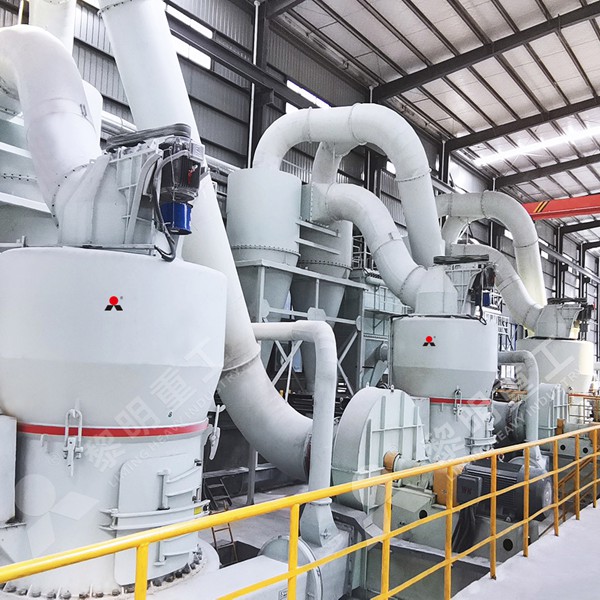
The heart of the lubrication protocol lies in the grinding roller assembly. Each grinding roller rotates on a central shaft supported by heavy-duty roller bearings. These bearings operate under extreme pressure and moderate temperature. For these points, a high-viscosity, extreme-pressure (EP) lithium-based grease with excellent anti-wear and oxidation stability is recommended. Regular greasing, as per the intervals specified in the manual (typically every 8-24 hours of operation), purges contaminants and prevents metal-to-metal contact. Adjacent to this is the central main shaft or pivot shaft bearing, which carries the weight of the entire grinding ring and roller assembly. This point requires the same diligent greasing schedule with a focus on complete purging to ensure fresh grease reaches all bearing surfaces.
Another critical subsystem is the drive and transmission unit. The main gearbox, which reduces motor speed to the optimal grinding roller speed, is often lubricated with a dedicated gear oil. This oil must have high load-carrying capacity, foam resistance, and thermal stability. Oil level checks should be performed daily, with complete oil changes and filter replacements conducted at manufacturer-prescribed intervals (e.g., every 2000-3000 operating hours). The motor bearings, though sometimes sealed, may also have grease nipples requiring periodic attention with a high-temperature bearing grease. Furthermore, the classifier or separator system, responsible for controlling the fineness of the kaolin powder, contains a rotating shaft and bearings. These points are often lubricated with a general-purpose lithium grease, ensuring the classifier vanes rotate freely to achieve the desired particle size distribution between 44μm and 613μm.
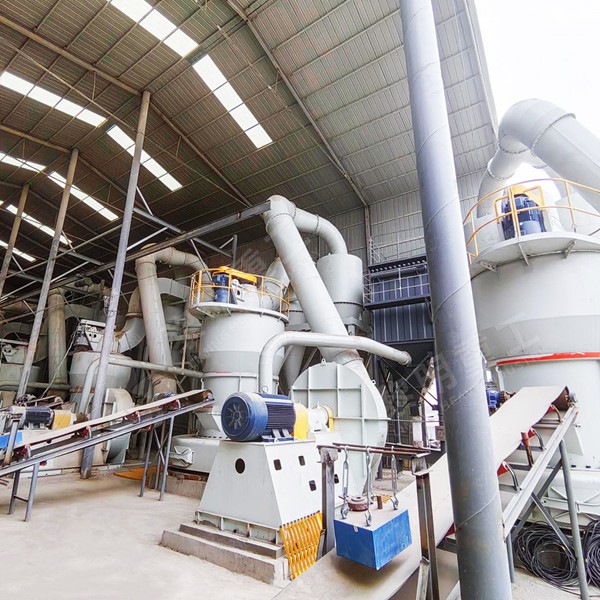
Implementing a best-practice lubrication program extends beyond just following a diagram. It involves documentation and condition monitoring. Maintain a detailed log for each lubrication point, recording the date, lubricant type, amount added, and the technician's observations. Listen for unusual noises from bearing points and periodically check for excessive heat, which can indicate under-lubrication or lubricant breakdown. Always use the lubricants specified in the Liming Heavy Industry operation manual, as they are selected for compatibility with the mill's materials and operational parameters. Before applying new grease, carefully clean the grease nipple to prevent injecting dirt into the bearing cavity. For the gearbox, periodic oil analysis can be a powerful predictive maintenance tool, identifying wear metals or contamination before they lead to failure.
In conclusion, the sustained efficiency and reliability of your Kaolin Raymond Mill are inextricably linked to a disciplined, diagram-guided lubrication strategy. By treating the lubrication points diagram as an essential operational blueprint and adhering to the prescribed schedules and lubricant specifications, operators can significantly reduce unplanned downtime, protect their capital investment, and ensure consistent production of high-quality kaolin powder. As a leader in grinding technology, Liming Heavy Industry designs its Raymond Mills for durability, but that durability must be unlocked and sustained through proactive and precise maintenance, starting with the fundamental practice of proper lubrication.
Frequently Asked Questions (FAQs)
- What is the primary consequence of under-lubricating the grinding roller bearings on a Raymond Mill?
Under-lubrication leads to increased friction, excessive heat generation, accelerated wear, and ultimately bearing seizure. This can cause catastrophic failure, requiring a full shutdown and costly replacement of the grinding roller assembly, severely disrupting kaolin production. - Can I use a multi-purpose grease for all lubrication points on the mill?
While tempting, it is not recommended. Different components have specific requirements. High-pressure roller bearings need an EP grease, while the gearbox requires a specific grade of gear oil. Always consult the equipment manual for the manufacturer's (Liming) specified lubricant types for each point to ensure optimal performance and warranty compliance. - How does the fineness of kaolin powder relate to the lubrication of the classifier?
The classifier's rotating mechanism determines the cut-point for particle size. If its bearings are poorly lubricated, rotation can become erratic or sluggish, leading to inconsistent product fineness and poor yield of the desired particle size range. Smooth operation is crucial for product quality control. - What are the visual or auditory signs that a lubrication point may be failing?
Common signs include unusual grinding or squealing noises from bearing housings, excessive heat felt on the housing surface (use caution), visible grease leakage (indicating seal failure or over-greasing), or increased vibration in the mill structure during operation. - Why is it important to purge old grease from bearing fittings during re-lubrication?
Purging (applying new grease until the old, potentially contaminated or degraded grease is expelled) ensures that fresh, clean grease fills the bearing raceways. Simply adding grease on top of old grease traps debris and moisture inside, negating the benefits of re-lubrication and potentially causing damage.


