Published on: October 26, 2023
Effective vibration monitoring is a critical component of predictive maintenance for Kaolin processing Raymond Mills, directly impacting operational reliability, product fineness consistency, and long-term cost-efficiency. By implementing a structured monitoring program, operators can transition from reactive repairs to proactive condition-based maintenance, preventing catastrophic failures, minimizing unplanned downtime, and optimizing the mill's performance for the delicate grinding requirements of Kaolin. This article explores the importance of vibration analysis, key monitoring points, common fault signatures, and how integrating monitoring with the robust design of mills, such as those engineered by LIMING HEAVY INDUSTRY, creates a formidable strategy for sustained productivity in non-metallic mineral processing.
The Raymond Mill, a cornerstone in fine powder processing for minerals like Kaolin, operates on a principle of grinding through spring-loaded rollers against a rotating ring. This mechanical interaction, while highly efficient, inherently generates vibrations. Under normal operating conditions, these vibrations fall within a predictable and acceptable spectrum. However, deviations from this baseline are often the earliest indicators of developing issues. Unchecked abnormal vibrations can lead to accelerated wear of grinding rolls and rings, misalignment of the transmission system, imbalance in the classifier, and ultimately, bearing failures—the leading cause of unscheduled stoppages.
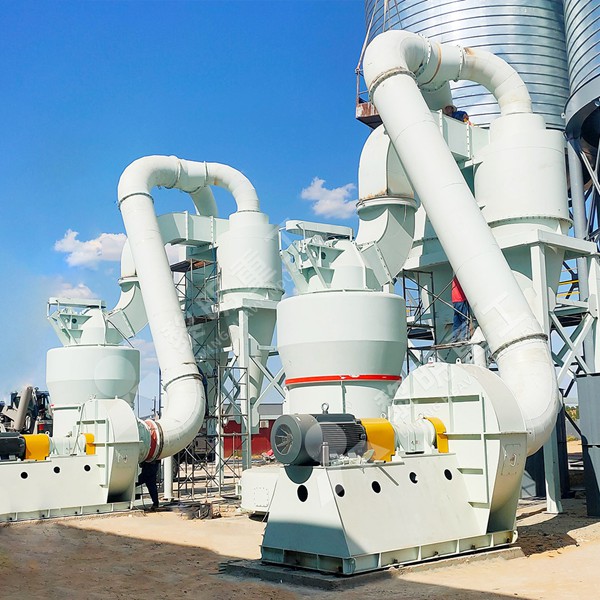
For a Kaolin Raymond Mill, the monitoring focus should be on several strategic locations. Primary measurement points include the bearing housings on the main shaft (both drive and non-drive ends), as these bearings support the core rotating assembly. High-frequency vibrations here often point to lubrication issues or early-stage bearing defects. The base of the mill and its motor feet are crucial for detecting structural looseness or misalignment between the motor and the main drive. Furthermore, monitoring the classifier section is vital, as imbalance or blade damage can directly affect the 44μm to 613μm fineness range critical for Kaolin products. Advanced systems track parameters like Velocity (mm/s RMS) for overall severity, Acceleration for early bearing faults, and Displacement for low-frequency shaft run-out.
Interpreting vibration data requires understanding common fault signatures. A dominant 1x rotational frequency vibration typically indicates mass imbalance or mechanical looseness. Harmonics of the rotational frequency (2x, 3x) often signal misalignment. Bearing defects produce characteristic high-frequency, low-amplitude signals that manifest as specific bearing fault frequencies. An increase in vibration levels during steady-state Kaolin grinding, especially if accompanied by changes in motor current or unusual acoustic noise, is a clear call for investigation. Trending this data over time is more valuable than single-point readings, revealing the progression rate of a fault.
The effectiveness of any monitoring program is fundamentally supported by the inherent mechanical stability of the mill itself. LIMING HEAVY INDUSTRY's engineering philosophy emphasizes robust construction to provide a stable baseline. Their Raymond Mills are designed with reinforced bases and precision-machined components to minimize inherent structural vibration. This built-in stability makes abnormal vibrations easier to detect against a lower background "noise." The company's commitment to "precision manufacturing and technological improvement" ensures that critical rotating assemblies are balanced and aligned to high standards from the factory, setting the stage for successful long-term condition monitoring.
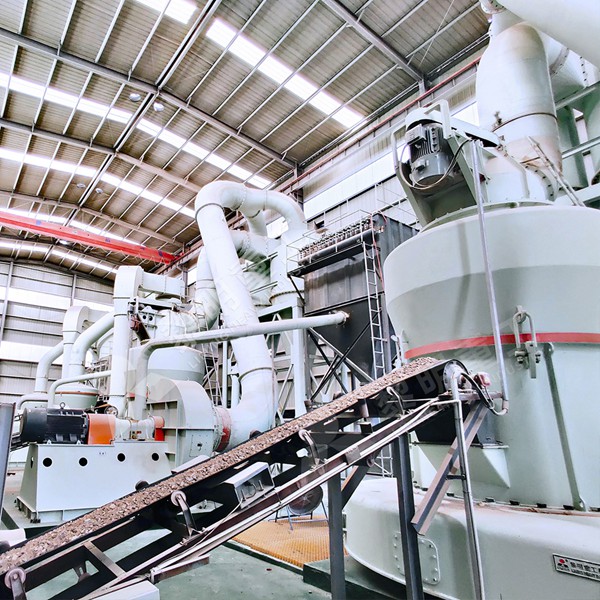
Implementing a vibration monitoring program does not require excessive complexity to start. A basic program involves establishing baseline vibration spectra for each key point on the mill under normal, full-load Kaolin grinding conditions. Regular periodic readings (weekly or bi-weekly) are then compared to this baseline and tracked on a simple trend chart. A significant increase (e.g., 25-50%) in overall vibration levels should trigger a more detailed analysis. For larger installations or critical processes, online continuous monitoring systems offer real-time protection and data logging. The goal is to schedule maintenance—such as roller refurbishment, bearing replacement, or laser alignment checks—based on actual machine condition, not just fixed time intervals.
In conclusion, integrating a systematic vibration monitoring regimen with a reliably engineered Raymond Mill is a powerful strategy for Kaolin processing plants. It transforms maintenance from a cost center to a value-adding activity, ensuring consistent product quality, protecting capital investment, and maximizing equipment availability. By leveraging data to foresee issues, operators can plan interventions during planned shutdowns, securing the grinding performance and longevity that modern mineral processing demands.
Frequently Asked Questions (FAQs)
- What are the most critical points on a Raymond Mill to monitor for vibration?
The most critical points are the main shaft bearing housings (both ends), the motor bearings and feet, the gearbox (if applicable), and the base of the mill itself. The classifier shaft bearings are also important for product fineness control. - How often should vibration readings be taken on a Kaolin grinding mill?
For a manual program, readings should be taken at least monthly under consistent operating conditions. For mills in continuous operation or critical applications, bi-weekly or even continuous online monitoring is recommended to capture rapid fault development. - Can vibration analysis detect problems other than bearing failures?
Yes. It can effectively identify issues like roller and ring wear, mechanical looseness, drive belt problems, misalignment, imbalance in the grinding rotor or classifier, and even certain electrical faults in the motor. - Does the abrasiveness of Kaolin affect the vibration profile of the mill?
While Kaolin is relatively soft, its abrasive nature can lead to gradual wear of grinding components. This wear can slowly change the dynamic balance and clearances within the mill, which will be reflected as a gradual trend in vibration levels over time, making trending essential. - Is special training required to implement a basic vibration monitoring program?
Basic data collection can be performed by plant personnel with proper instruction on using a portable vibration meter and consistent measurement points. However, accurate spectrum analysis and advanced fault diagnosis typically require training or the involvement of a specialist.


