Published: October 26, 2023
Ensuring the consistent production of high-purity, pharmaceutical-grade kaolin demands grinding equipment engineered to the highest standards of precision, hygiene, and process control. For over three decades, Liming Heavy Industry Co., Ltd. has specialized in developing advanced milling technologies suitable for the stringent requirements of the pharmaceutical and high-value mineral sectors. Our portfolio, including the LM Vertical Roller Mill, Raymond Mill, MTW European Type Grinding Mill, MW Micro Powder Mill, and Ball Mill, offers tailored solutions for transforming raw kaolin into fine, ultra-fine, and superfine powders with controlled particle size distribution, minimal contamination, and optimal thermal management. This article explores the critical considerations for pharmaceutical-grade kaolin processing and how Liming Heavy Industry's engineered systems meet these exacting demands.
The journey to pharmaceutical-grade kaolin begins with an understanding of its applications as an excipient, diluent, or active ingredient in medicinal products. Key parameters include exceptional purity (free from heavy metals and microbial contaminants), precise and consistent fineness (often requiring sub-10μm particles), brilliant whiteness, and specific rheological properties. Any grinding equipment must, therefore, not only achieve the target fineness but also preserve the kaolin's inherent chemical and physical structure, prevent metallic contamination, and operate within a controlled, cleanable environment. Liming Heavy Industry's design philosophy integrates these principles from the ground up.
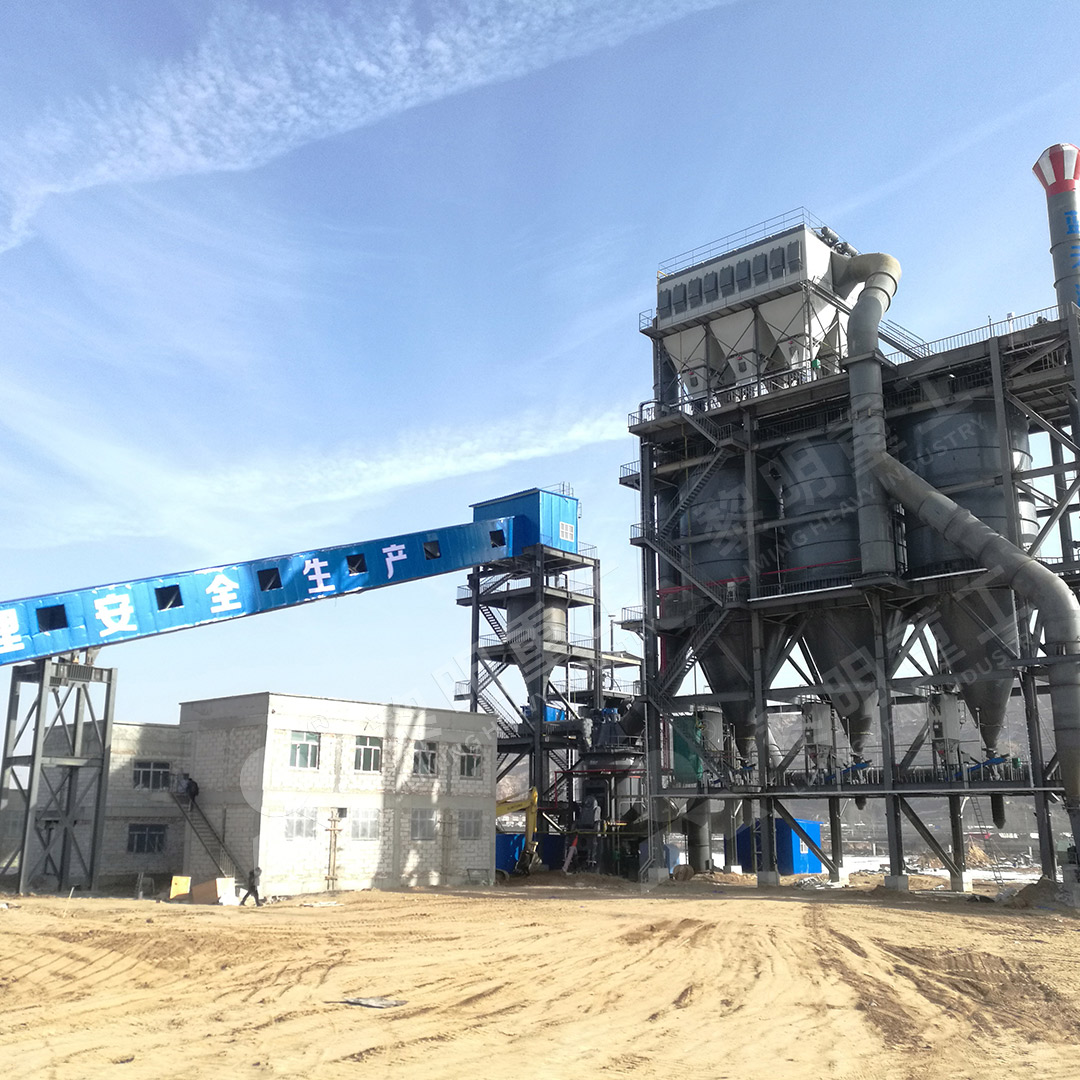 For large-scale production of pharmaceutical-grade kaolin where simultaneous drying and grinding is advantageous, the LM Vertical Roller Mill presents a compelling solution. Its integrated system dries, grinds, classifies, and conveys material within a single, compact unit. The grinding rollers operate directly on the grinding table, applying pressure to the kaolin bed with minimal metal-to-metal contact, thereby reducing wear and the risk of ferrous contamination. The immediate drying capability, using hot air introduced into the mill, is crucial for moisture-sensitive pharmaceutical processes, ensuring the final powder meets strict humidity specifications. With capacities ranging from 10 to 400 T/H, it is ideal for primary grinding stages where high throughput and efficiency are paramount.
When the application calls for fine to ultra-fine kaolin powder with proven, reliable technology, the Raymond Mill remains a cornerstone. Renowned for its stability and ease of operation, it is suitable for processing non-flammable, non-explosive materials like kaolin under 7 Mohs hardness. Its grinding ring and roller assembly, coupled with an integrated classifier, allows for fineness adjustment between 44μm and 613μm. This makes it excellent for producing consistent batches of kaolin where tight control over the upper particle size limit is required. The system's simplicity contributes to easier maintenance and cleaning protocols, a significant factor in pharmaceutical-adjacent manufacturing.
The pursuit of higher efficiency and finer output for non-metallic minerals like kaolin led to the development of the MTW European Type Trapezium Mill. As an evolution of traditional pendulum mills, it incorporates patented technologies such as curved air duct, internal lubricating system, and a conical gear transmission. These features enhance grinding efficiency, reduce energy consumption, and provide more stable operation. The closed-circuit grinding system, comprising the mill, separator, blower, and dust collector, forms a negative pressure environment that minimizes dust emission—a critical aspect for maintaining a clean production area. Its ability to produce powder from 30-50mm feed size down to required fineness makes it a versatile choice for dedicated kaolin grinding lines.
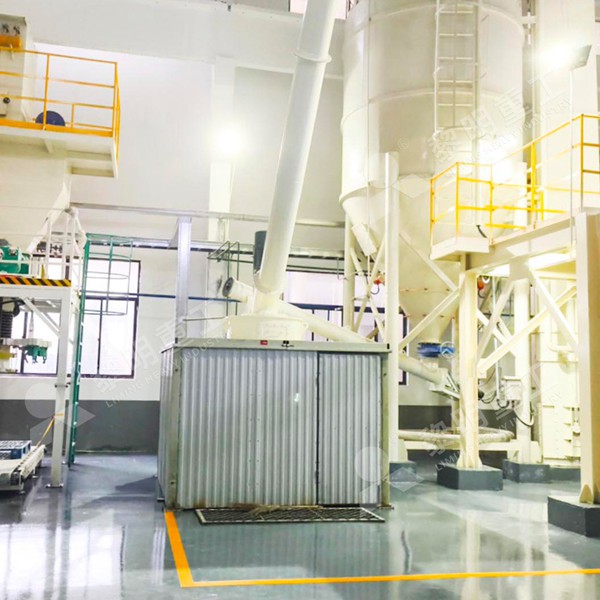 For the most demanding applications requiring superfine or even nanoscale kaolin powders, the MW Micro Powder Mill stands out. This technology, absorbing advanced Swedish grinding mill design, excels in superfine powder processing. It can achieve a final product fineness up to d97 ≤ 5μm (approximately 2500 mesh), with adjustable ranges between 325 and 3250 mesh. The grinding mechanism, utilizing dozens of rollers rotating against a raceway ring, applies multi-directional force for ultra-fine pulverization with low heat generation, preserving kaolin's structure. Equipped with a high-efficiency pulse dust collector, the entire process is contained and environmentally friendly, aligning with the Good Manufacturing Practice (GMP) expectations for containment and cleanliness in pharmaceutical supply chains.
While often associated with ore processing, the Ball Mill also finds its place in kaolin processing, particularly for wet grinding processes or where specific particle shape characteristics are desired. As a key equipment for milling after crushing, it offers unparalleled flexibility. By using ceramic or specially lined grinding chambers and high-purity grinding media, the risk of contamination can be effectively managed. The cascading action of the balls provides a combination of impact and attrition, which can be fine-tuned to produce a specific particle size distribution. This makes it suitable for pilot-scale studies or production of specialty kaolin grades where process parameters need extensive customization.
Liming Heavy Industry's commitment extends beyond equipment manufacturing. Founded in 1987 and headquartered in the HI-TECH Industry Development Zone of Zhengzhou, our modern facilities span over 80,000 m². We persist in a strategy of scientific research and development, focusing on product competitiveness and technological innovation. Our mature R&D team continuously refines these grinding technologies, aiming at the industry's technological frontier to provide reliable, advanced, and clean solutions for partners in the pharmaceutical and high-purity minerals industries. Choosing the right grinding equipment is a strategic decision that impacts product quality, operational cost, and regulatory compliance. With a comprehensive portfolio and deep engineering expertise, Liming Heavy Industry is positioned to be a trusted partner in developing optimized grinding solutions for pharmaceutical-grade kaolin.
Frequently Asked Questions (FAQs)
- What is the most important factor when selecting grinding equipment for pharmaceutical-grade kaolin?
The paramount factors are the ability to prevent contamination (especially metallic), achieve and consistently maintain the target particle size distribution (often very fine or superfine), and operate in a manner that allows for effective cleaning and validation, supporting GMP principles. - Can your mills handle the strict hygiene standards required for pharmaceutical applications?
Yes. Our mills are designed with cleanability in mind. Features like smooth internal surfaces, accessible grinding chambers, closed negative-pressure systems, and compatibility with high-purity liner materials (like ceramics) make them suitable for applications with high hygiene standards. - Which mill is recommended for producing superfine kaolin powder below 10 microns?
The MW Micro Powder Mill is specifically engineered for this purpose. It can reliably produce powders with a fineness up to d97 ≤ 5μm and is excellent for achieving the narrow particle size distributions often required in pharmaceutical formulations. - Is simultaneous drying and grinding possible with your equipment?
Absolutely. The LM Vertical Roller Mill is particularly adept at integrated drying and grinding. Hot air is introduced directly into the grinding chamber, allowing moist feed material to be dried during the size reduction process, which is critical for moisture-sensitive materials like kaolin. - How does your company ensure the technological advancement of your grinding equipment?
Liming Heavy Industry has a core strategy centered on scientific R&D and technological improvement. We maintain a dedicated research team and pursue "production, learning, and research" collaborations. We continuously absorb international advanced technologies (e.g., in the MW Mill) and innovate to enhance performance, energy efficiency, and environmental friendliness.


