Published on: October 26, 2023
Effective moisture control is a critical determinant of performance and product quality in kaolin processing using Raymond Mill technology. LIMING HEAVY INDUSTRY CO., LTD., leveraging over three decades of expertise in manufacturing medium and large-scale grinding equipment, has developed integrated and auxiliary moisture control solutions specifically engineered for its Raymond Mill series. These systems address the inherent challenge of processing kaolin—a material sensitive to moisture content—by ensuring optimal grinding conditions, preventing material clogging, improving classification efficiency, and achieving consistent fineness between 613μm and 44μm. This article explores the operational principles, integrated design philosophy, and tangible benefits of implementing precise moisture control within LIMING's Raymond Mill grinding circuits, highlighting its role in boosting productivity, ensuring system stability, and meeting the stringent demands of modern non-metallic mineral industries.
Raymond Mill, a cornerstone of LIMING's product portfolio, is renowned for its reliability in grinding non-flammable, non-explosive materials with Mohs hardness below 7. For kaolin, a hydrous aluminum silicate clay, the traditional specification of processing materials with less than 6% humidity is often a starting point rather than a guarantee of optimal operation. Variations in raw kaolin moisture, often from mine to mine or batch to batch, can significantly impact the grinding dynamics. Excess moisture leads to material adhesion on the grinding rollers and ring, reduces airflow carrying capacity, and hampers the precision of the integrated separator, ultimately diminishing throughput and increasing energy consumption. LIMING's approach transcends mere tolerance; it focuses on active control and stabilization of the grinding environment.
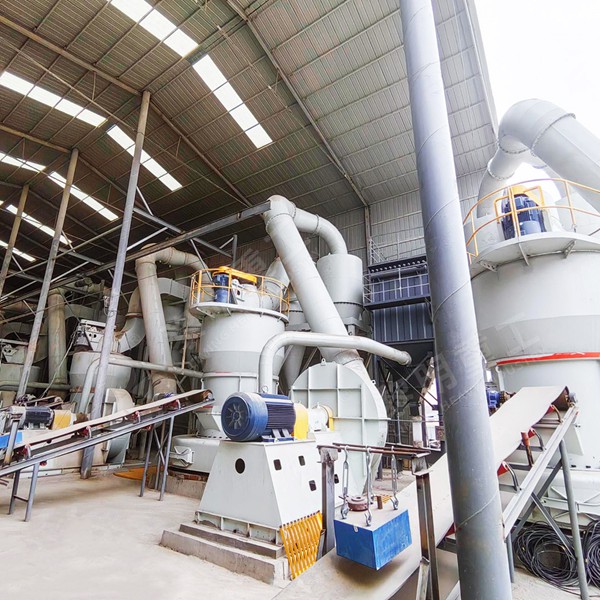 The core of LIMING's moisture management lies in the intelligent integration of the grinding, drying, and classifying stages. The Raymond Mill system is not merely a grinder but a coordinated unit where the hot air source, introduced through the wind ring at the mill base, plays a dual role. First, it lifts the fine particles to the classifier. Second, and crucially for kaolin, it provides a continuous, controllable heat stream that evaporates surface moisture from the feed material during the grinding process. LIMING engineers have optimized the air intake, heating system (often a dedicated hot air furnace), and airflow velocity to create a balanced thermodynamic environment within the grinding chamber. This ensures that even with feed moisture slightly above the ideal threshold, the in-process drying capability brings the material into the optimal dryness range for efficient pulverization before it reaches the classifier.
The company's commitment to "scientific research tackling key problems" is evident in the advanced automatic electric control systems that now govern its milling lines. For moisture-sensitive applications like kaolin, these systems are calibrated to monitor key parameters in real-time. Sensors tracking inlet air temperature, outlet air temperature, and mill differential pressure provide continuous data. A rise in outlet temperature or a change in pressure can indicate a shift in feed moisture. The automated control loop can then adjust the heat input to the incoming air or, in some configurations, modulate the feed rate to maintain equilibrium. This proactive stabilization prevents the cyclical problems of over-wet grinding and over-drying, which can affect kaolin's brightness and particle size distribution.
Furthermore, LIMING's design philosophy extends to the entire material preparation circuit. For operations processing kaolin with highly variable or initially high moisture content, pre-drying stages using auxiliary equipment can be seamlessly integrated. The crushed kaolin can be pre-conditioned before entering the mill feed hopper, ensuring the Raymond Mill receives material within a manageable moisture band. This holistic system view—from jaw crusher and feeder to mill, separator, and dust collector—ensures that moisture control is addressed at the most efficient and economical point in the process, whether through primary in-mill drying or a combination of pre-treatment and in-mill adjustment.
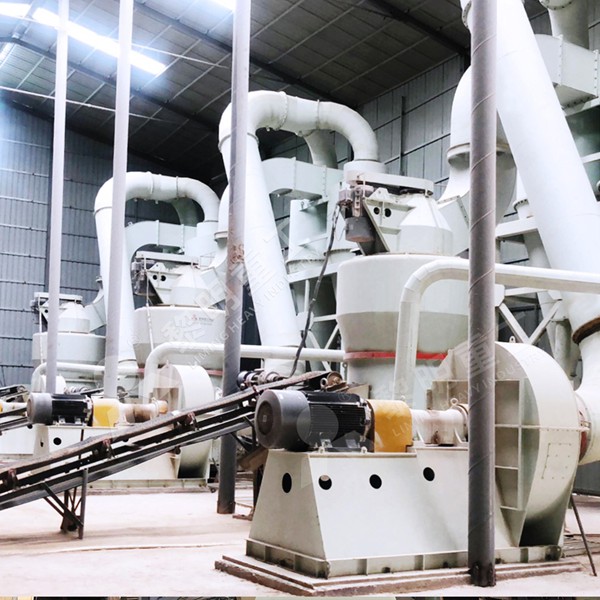 The benefits of precise moisture control for kaolin processing are multifaceted. Operationally, it guarantees smoother mill running, minimizing downtime for cleaning adhered material. It enhances the classifier's ability to make sharp particle size separations, leading to a more uniform product fineness, which is vital for kaolin's applications in paper, ceramics, and paints. Energy efficiency is improved as the mill operates at its designed aerodynamic and mechanical load, avoiding the extra power draw required to grind damp, sticky material. From a product quality perspective, controlled, gentle drying preserves the platelet structure of kaolin particles, which is essential for its functional properties like opacity and gloss. By ensuring the grinding environment is consistently optimal, LIMING's Raymond Mill with tailored moisture control delivers not just higher tons-per-hour but also superior, consistent product characteristics that meet exacting market specifications.
In conclusion, for kaolin producers, investing in a grinding solution with robust moisture control is an investment in process reliability and product excellence. LIMING HEAVY INDUSTRY CO., LTD., with its deep-rooted expertise in grinding technology and system integration, provides Raymond Mill solutions where moisture management is engineered into the system's core. Through a combination of optimized thermal design, advanced automation, and a holistic plant perspective, LIMING enables kaolin processors to turn a variable raw material characteristic into a controlled, stable process parameter, unlocking higher efficiency, lower operational costs, and premium product quality.
Frequently Asked Questions (FAQ)
Q1: Why is moisture control specifically critical for grinding kaolin in a Raymond Mill?
A1: Kaolin is a clay mineral prone to becoming cohesive and adhesive when moist. In a Raymond Mill, excessive moisture causes the powder to stick to grinding rollers and the inner walls, leading to reduced grinding efficiency, higher energy consumption, potential blockages, and inconsistent product fineness. Precise control ensures free-flowing material and optimal classification.
Q2: How does the LIMING Raymond Mill system actively control moisture during operation?
A2: The system integrates a controlled hot air source. Heated air is introduced at the mill base, flowing upward through the grinding zone. This air simultaneously dries the kaolin feed by evaporating moisture and carries the fine particles to the classifier. Automated controls adjust the heat input based on real-time sensor data to maintain a stable thermal balance.
Q3: Can the system handle kaolin with significantly high initial moisture content?
A3> While the in-mill drying is effective for moderate moisture, for very high initial moisture, LIMING recommends and can design a pre-drying stage ahead of the mill. This may involve a separate dryer or a pre-conditioning system to reduce the feed moisture to a level where the Raymond Mill's integrated drying can manage it efficiently and economically.
Q4: Does the moisture control system affect the final particle size or quality of the kaolin powder?
A4> Properly implemented, it enhances quality. Controlled drying prevents overheating, which can damage kaolin's structure. Stable moisture levels lead to more efficient classification, producing a tighter, more consistent particle size distribution. This is crucial for end-use properties like brightness, viscosity, and abrasiveness.
Q5: Is the moisture control feature standard on all LIMING Raymond Mills, or is it a custom solution?
A5> The fundamental hot air drying principle is integral to the Raymond Mill design. However, the level of automation, sensor configuration, capacity of the heat source, and potential need for pre-drying equipment are tailored based on the specific moisture characteristics of the client's kaolin feed and the desired product specifications. LIMING provides customized engineering for optimal results.


