Published: October 26, 2023
In the high-value kaolin processing industry, achieving consistent fine particle size and exceptional product purity is paramount. A sophisticated fine powder collecting system is not merely an auxiliary component but the critical backbone of a successful milling operation. It directly influences yield, product quality, operational cleanliness, and environmental compliance. This article explores the integral role of advanced dust collection and powder separation technologies within kaolin milling circuits, highlighting how modern systems from industry leaders like Liming Heavy Industry are engineered to maximize recovery of premium-grade kaolin powder while ensuring sustainable, dust-free production.
The journey of kaolin from raw clay to a refined industrial commodity hinges on precise size reduction and classification. Grinding mills, such as the Raymond Mill, MTW European Type Grinding Mill, and the specialized MW Micro Powder Mill, are tasked with de-agglomerating and reducing kaolin particles to the desired fineness, often down to the micrometer scale. However, the milling process itself generates a turbulent cloud of ultra-fine particles suspended in an air stream. Without an efficient collection mechanism, this represents significant product loss, potential health hazards, and environmental contamination. Therefore, the powder collecting system acts as the indispensable final stage, capturing, separating, and conveying the valuable product from the carrier air.
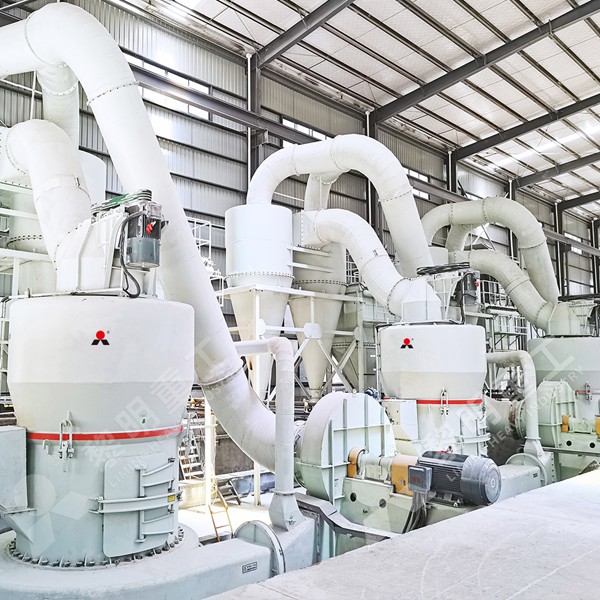
Modern systems, as exemplified in Liming Heavy Industry's grinding plant designs, typically integrate high-efficiency pulse-jet baghouse dust collectors or cyclone separators in series. In a configuration like that of the MTW European Grinding Mill line, the system is a closed-loop, negative-pressure design. The air blower creates a flow that carries ground particles from the mill to a high-efficiency separator or classifier. Here, coarse particles are rejected and returned for further grinding, while the fine, in-spec powder travels with the air to the pulse dust collector. This collector, equipped with automatic filter cleaning, captures over 99.9% of the fine kaolin powder, allowing clean air to be exhausted or recirculated. The collected powder is then pneumatically conveyed to storage silos, ensuring a completely sealed and automated process from feed to final product.
The choice of collector technology is crucial and depends on the fineness of the kaolin product. For general powder collection, robust baghouse filters are standard. For ultra-fine kaolin production, where products like those from the MW Micro Powder Mill reach d97 ≤ 5μm, the collector design must handle high dust loads of sub-micron particles without blinding the filter media. Advanced filter bags with surface treatment or membrane laminates are often employed to ensure high permeability and easy cake release, maintaining stable system pressure drop and continuous operation.
Beyond mere collection, the system plays a vital role in product classification. Dynamic classifiers integrated before the final collector allow for precise cut-point adjustments, enabling producers to tailor the particle size distribution of the collected kaolin to specific market requirements, whether for paper coating, ceramics, or polymers. This synergy between grinding mechanics, air dynamics, and separation technology is where engineering excellence translates directly to product versatility and competitive advantage.
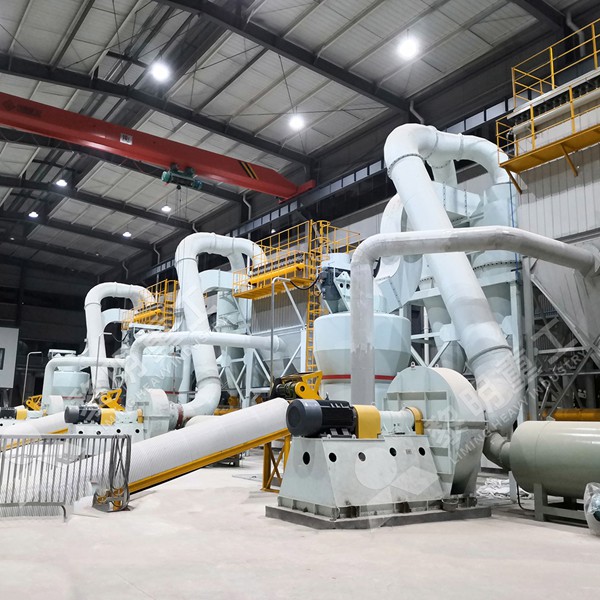
Operational reliability and environmental stewardship are non-negotiable. A well-designed powder collecting system from a seasoned manufacturer like Liming Heavy Industry incorporates features for minimal downtime and regulatory adherence. Automatic pulse-jet cleaning cycles ensure consistent filter performance. Explosion venting, anti-static measures, and robust construction are essential for safety when handling combustible powders. Furthermore, the sealed nature of these systems prevents fugitive emissions, aligning with stringent international environmental protection standards and contributing to a cleaner, safer workplace.
In conclusion, investing in an optimized fine powder collecting system is investing in the core profitability and sustainability of a kaolin milling operation. It safeguards product integrity, maximizes yield, protects capital equipment, and ensures regulatory compliance. As kaolin applications demand ever-finer and more consistent powders, the technology behind efficient powder collection and separation will continue to be a critical focus for processors aiming to lead in quality and efficiency.
Frequently Asked Questions (FAQs)
1. What is the primary function of a powder collecting system in kaolin milling?
Its primary function is to efficiently separate and capture the fine kaolin powder from the air stream used in the grinding process, ensuring high product recovery, maintaining a clean production environment, and preventing material loss and pollution.
2. How does the collecting system integrate with different types of grinding mills, like the MW Micro Powder Mill?
The system is designed as an integral part of the grinding circuit. For ultra-fine mills like the MW model, the collector is specifically engineered to handle extremely fine particles (down to 5μm). It connects directly to the mill's output, often following a classifier, and uses high-efficiency filtration to capture the product while allowing clean air to pass.
3. What are the key maintenance requirements for these dust collection systems?
Regular maintenance includes checking and replacing filter bags as needed, inspecting and cleaning pulse-jet nozzles, ensuring proper operation of discharge rotary valves, and monitoring system pressure differentials. Automated controls in modern systems help simplify maintenance scheduling.
4. Can the system be adjusted to collect kaolin powder of different fineness grades?
Yes, by adjusting the parameters of the classifier or separator that works in tandem with the collector, the cut-point for particle size can be modified. This allows the same milling and collection line to produce different grades of kaolin powder by controlling which particle sizes are directed to the collector.
5. Why is a closed-loop, negative-pressure system design advantageous?
A closed-loop, negative-pressure design minimizes the risk of dust leakage into the plant atmosphere, enhances operator safety, improves thermal efficiency (by recirculating air), and ensures all material is forced through the collection point, thereby maximizing yield and environmental compliance.


