Published: October 26, 2023
Effective temperature management is a cornerstone of high-quality kaolin processing, directly influencing product fineness, whiteness, and overall system efficiency. Liming Heavy Industry's advanced Raymond Mill systems incorporate sophisticated, automated temperature control mechanisms that ensure optimal grinding conditions, prevent material degradation, and enhance energy utilization. By integrating precise thermal regulation with robust grinding technology, these systems deliver consistent, superior-grade kaolin powder while maximizing operational stability and equipment longevity.
Kaolin, a delicate white clay mineral, demands meticulous handling during the size reduction process. Excessive heat generated from friction and grinding can compromise its chemical structure, leading to discoloration and a reduction in its valuable properties. Conversely, insufficient drying or low temperatures can hinder grinding efficiency and cause material buildup. The Raymond Mill technology developed by Liming Heavy Industry directly addresses this critical challenge. Our systems are engineered with a holistic approach to thermal management, seamlessly blending the drying, grinding, and classification stages within a controlled environment.
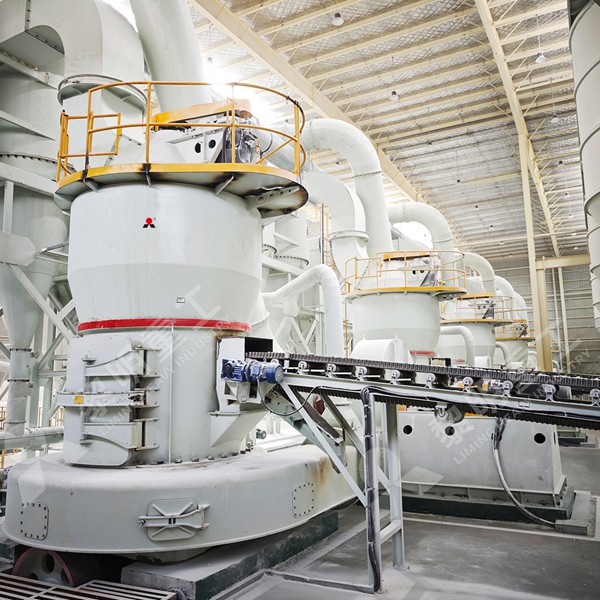 The core of the temperature control system lies in its intelligent airflow and heat source management. The mill's integrated blower and pipeline network create a closed-circuit airflow. This air, heated to a precisely calibrated temperature before entering the grinding chamber, serves a dual purpose: it dries the moist kaolin feed and transports the fine particles to the classifier. The system's PLC-based electric control cabinet continuously monitors key parameters, including inlet air temperature, outlet temperature, and motor load. Using this real-time data, it automatically adjusts the feed rate of raw kaolin and the heat input from the associated hot air generator (such as a hot air furnace), maintaining the grinding chamber within a strict optimal temperature range.
This automated feedback loop is crucial for consistency. For instance, if the outlet temperature rises above the set point—indicating potential over-grinding or reduced feed—the control system can intelligently increase the feed rate or slightly modulate the air volume to cool the process. This prevents the kaolin from being subjected to thermal shock and preserves its brightness and structure. The system's efficiency is further amplified by its internal design. The grinding rollers, operating against the bull ring, create a vortex that ensures even exposure of particles to the heated air, promoting uniform drying and preventing localized overheating.
Beyond the immediate grinding zone, the temperature control philosophy extends to the entire product collection circuit. The high-efficiency cyclone powder collector and pulse dust removal system are designed to handle the air-powder mixture at specific temperatures, ensuring smooth separation without condensation or clogging. This end-to-end thermal stability guarantees that the final kaolin product, with fineness adjustable between 44μm and 613μm, retains its intended physical and chemical characteristics batch after batch.
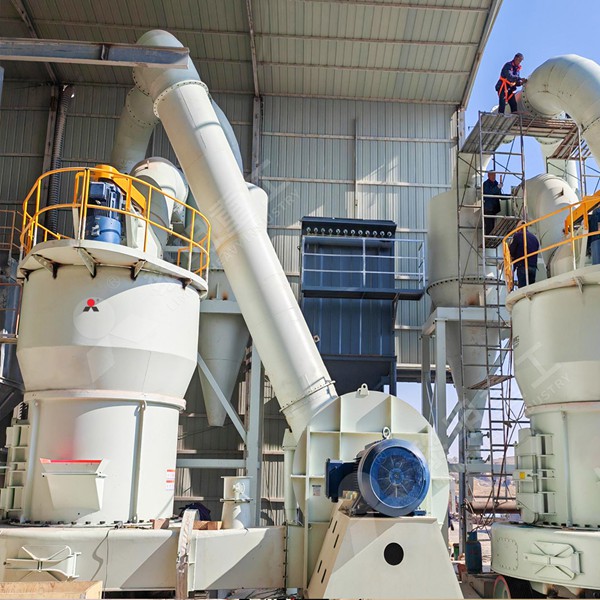 Reliability is engineered into every component. From the rugged construction of the mainframe and grinding assembly to withstand thermal expansion stresses, to the precision of the sensors and the robustness of the control software, Liming Heavy Industry's 30+ years of experience in manufacturing crushing and grinding equipment is evident. The system's design prioritizes not just performance but also operational safety and environmental compliance, with the closed-loop airflow minimizing heat loss and dust emissions.
In practical application for kaolin processing, this translates to tangible benefits: higher throughput of premium-grade material, reduced energy consumption per ton of product, lower maintenance downtime due to stable operating conditions, and exceptional product uniformity. By mastering the critical variable of temperature, Liming's Raymond Mill provides kaolin producers with a dependable, automated solution that turns a challenging processing requirement into a competitive advantage, ensuring their end products meet the stringent demands of industries like paper, ceramics, and coatings.
Frequently Asked Questions (FAQ)
Q1: Why is temperature control so critical specifically for kaolin milling?
A1: Kaolin is highly sensitive to heat. Uncontrolled high temperatures can drive off chemically bound water (dehydroxylation), altering its crystal structure and causing irreversible yellowing or browning, which drastically reduces its value and brightness—key metrics for industrial use.
Q2: How does the system prevent overheating if the kaolin feed moisture content fluctuates?
A2: The automated control system dynamically correlates the inlet hot air temperature and the feed rate. If feed moisture increases, the system can safely increase heat input to maintain drying efficiency; if the feed is drier, it reduces heat to prevent overheating, all while keeping the grinding zone temperature stable.
Q3: Does the closed-circuit airflow system pose a risk of excessive humidity buildup when processing moist kaolin?
A3> No. The system is designed as a negative pressure, closed-loop. The incoming air is actively heated, which lowers its relative humidity, allowing it to absorb moisture from the kaolin. This moisture is then vented in a controlled manner through the system's baghouse/dust collector, preventing recirculation of humid air.
Q4: What role does the grinding roller pressure play in temperature management?
A4> Proper roller pressure is essential for grinding efficiency. Excessive pressure increases friction and heat generation. Liming's mill is designed for optimal pressure settings, and the temperature control system works in tandem by adjusting airflow to remove this friction heat promptly, maintaining a balanced thermal state.
Q5: Can this temperature control system be integrated with existing plant-wide process monitoring systems?
A5> Yes. The PLC-based control cabinet of Liming's Raymond Mill typically supports standard communication protocols (e.g., Modbus). This allows critical temperature, pressure, and motor data to be fed into a central SCADA or plant DCS for holistic process monitoring and data logging.


