Published on: October 26, 2023
In the demanding world of mineral processing, achieving consistent, high-quality limestone powder requires a robust and efficient milling solution. An open-circuit Raymond milling system, engineered for simplicity and reliability, stands as a cornerstone technology for this purpose. Unlike closed-circuit systems with integral classifiers, open-circuit configurations offer a direct, streamlined path from raw feed to finished product, often resulting in lower capital costs, reduced system complexity, and easier maintenance. For operations prioritizing steady output of powder within a specific fineness range—particularly in applications like soil conditioning, agricultural lime, or certain construction material preparations—this system architecture delivers unparalleled operational stability. Leveraging decades of expertise in grinding technology, Liming Heavy Industry has refined the Raymond mill into a centerpiece for such open-circuit applications, integrating advanced milling dynamics with durable construction to ensure continuous, trouble-free performance in processing non-explosive, sub-7 Mohs hardness materials like limestone.
The core of this system is the Raymond Mill itself, a technology that has evolved significantly since its inception. In an open-circuit layout, crushed limestone of a controlled feed size (typically 15-25mm) is continuously fed into the grinding chamber. Here, the fundamental principle of roller-spring compression and grinding ring rotation comes into play. The rollers, suspended on a rotating yoke, swing outward due to centrifugal force and roll tightly against the inner surface of the grinding ring. The incoming limestone is caught between these rollers and the ring, where it is pulverized. The crucial action of the internal blower then lifts the ground particles upward. In a closed-circuit system, a classifier would separate fine and coarse particles, returning the latter for regrinding. In the open-circuit design discussed here, the airflow carries the particles directly through the mill housing and into the downstream collection system, typically a cyclone separator and a baghouse dust collector. The final product fineness, ranging from 613μm to 44μm (approximately 30 to 325 mesh), is primarily regulated by adjusting the speed of the blower and the feed rate, offering operators straightforward control over the output.
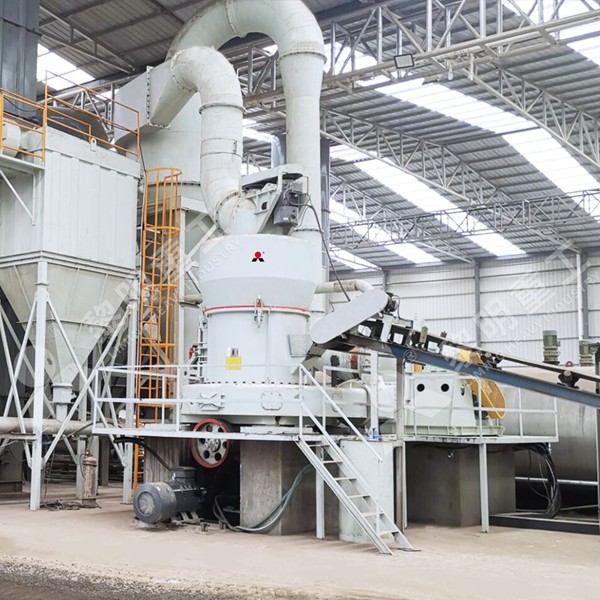
Liming Heavy Industry's commitment to "precision manufacturing and technological improvement" is embodied in the design enhancements of its Raymond mills for such duty. Key components like the grinding rollers and rings are manufactured from high-alloy wear-resistant materials, dramatically extending service life when processing abrasive materials like limestone. The milling device incorporates a scientific air channel design that promotes smooth internal circulation, reducing energy consumption for the blower. Furthermore, the automated electric control system centralizes operation, allowing for monitoring of main motor current, fan current, and temperature, which safeguards the equipment against overloads and ensures a stable grinding condition. This focus on reliability transforms the mill from a simple grinder into a predictable production asset, minimizing unplanned downtime—a critical factor for continuous industrial operations.
The advantages of employing an open-circuit Raymond system for limestone are multifaceted. Its mechanical simplicity translates to easier installation, operator training, and day-to-day maintenance. With fewer moving parts and no external recycling loop for coarse material, potential failure points are reduced. This architecture is particularly cost-effective for projects with space constraints or where the target product specification is well-defined and does not require ultra-fine classification or multiple product grades from a single line. The system's ability to handle materials with moisture content up to 6% without the need for an external dryer (in many cases) adds to its versatility and energy efficiency. For medium to small-scale powder production plants, or as a dedicated line for a specific product, this setup offers an optimal balance of performance, capital investment, and operational expenditure.
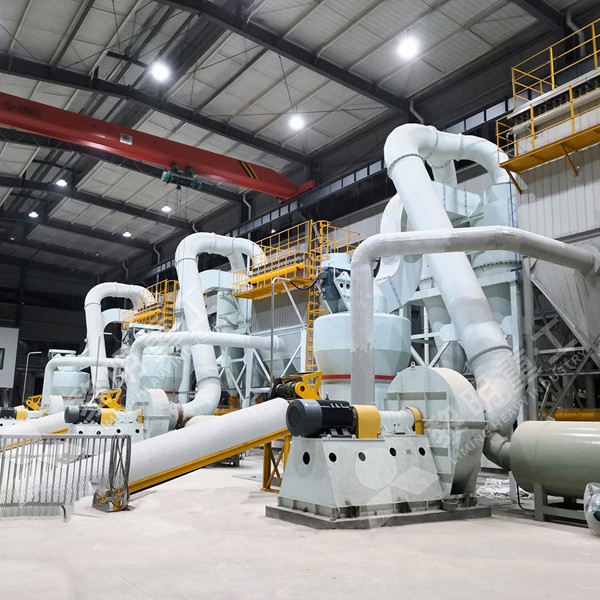
Successful implementation hinges on proper system engineering and support. Liming Heavy Industry provides not just the mill, but the expertise to integrate it into a complete production line. This includes matching the mill with appropriate primary crushing equipment (like a jaw crusher to achieve the required 15-25mm feed), a variable-frequency vibrating feeder for precise and even feeding, and efficient dust collection solutions that comply with environmental standards. The company's "production, learning and research" philosophy ensures that each system is backed by deep application knowledge, particularly in the non-metallic mineral sector. From initial site planning to commissioning and after-sales service, the focus is on creating a cohesive system where the open-circuit Raymond mill operates at its peak potential, delivering consistent limestone powder that meets the precise demands of the end application.
In conclusion, the open-circuit limestone Raymond milling system represents a time-tested, efficient, and reliable approach to mineral powder production. Its enduring relevance is a testament to continuous innovation in mechanical design and control systems by manufacturers like Liming Heavy Industry. By choosing a system engineered with robust components and integrated controls, producers can secure a low-complexity, high-availability solution for transforming raw limestone into a valuable, consistent powder product, thereby building a solid foundation for their industrial processes.
Frequently Asked Questions (FAQ)
- What is the primary difference between open-circuit and closed-circuit grinding in a Raymond mill system?
In an open-circuit system, the material passes through the grinding chamber once and is directly conveyed to the product collector. In a closed-circuit system, the ground material is sent to an external classifier; fine particles proceed as product, while coarse particles are returned to the mill inlet for regrinding, allowing for tighter control over final fineness. - What moisture content can the Raymond mill handle when processing limestone?
The standard Raymond mill is suitable for grinding materials with a moisture content generally not exceeding 6%. For limestone with higher moisture, a pre-drying stage or a system with integrated drying capabilities may be required. - How is the fineness of the final limestone powder adjusted in an open-circuit setup?
Fineness is primarily controlled by adjusting the speed of the system's blower (which affects the airflow carrying particles) and regulating the feed rate of raw material. Slower airflow or faster feeding typically results in coarser product. - What are the key maintenance points for a Raymond mill in limestone service?
Regular inspection and replacement of wear parts like grinding rollers and rings are crucial. Additionally, lubrication of central drive components, checking of spring tension, and ensuring the air system is free from leaks and blockages are essential for sustained performance. - Can the same open-circuit Raymond mill system be used for materials other than limestone?
Yes, provided the material is non-explosive, non-flammable, and has a Mohs hardness below 7. The system is also widely used for gypsum, calcite, barite, and other similar non-metallic minerals. Adjustments to operational parameters may be necessary for different materials.


