Published: October 26, 2023
For industries seeking efficient and reliable solutions for processing marble into fine powders, the Raymond grinding mill stands as a proven and versatile technology. As a leading manufacturer of crushing and grinding equipment, Liming Heavy Industry leverages decades of engineering expertise to refine this classic design. Our Raymond Mill is engineered to transform marble chunks into powders ranging from 613μm to 44μm, catering to diverse applications in construction, plastics, paints, and coatings. This article delves into the operational principles, technical advantages, and specific adaptations that make our Raymond grinding machine an optimal choice for marble powder production, highlighting Liming's commitment to precision manufacturing and sustainable industrial processing.
Since its establishment in 1987, Liming Heavy Industry Co., Ltd. has dedicated itself to the research, manufacturing, and sales of large and medium-sized crushing and grinding equipment. With headquarters spanning 80,000 m² in Zhengzhou's HI-TECH Industry Development Zone and an additional 67,000 m² workshop, our modern facilities underscore a commitment to scale and precision. Over three decades, a steadfast focus on scientific management and technological innovation has positioned Liming as a leader in the global machinery manufacturing sector. This foundation is critical for producing robust and efficient grinding solutions like the Raymond Mill for specialized materials such as marble.
The processing of marble into powder demands equipment that combines fine grinding capability with operational stability. Liming's Raymond Mill meets this need through a well-established grinding mechanism. The system feeds marble particles (optimally sized 15-25mm) between the grinding rollers and the grinding ring. Centrifugal force forces the rollers to swing outward, pressing against the ring and crushing the material. The ground powder is then carried by an air stream to a classifier. Oversized particles are rejected and returned for regrinding, while fines meeting the target specification are conveyed to the cyclone collector as final product. This closed-circuit system ensures consistent fineness and high powder collection efficiency.
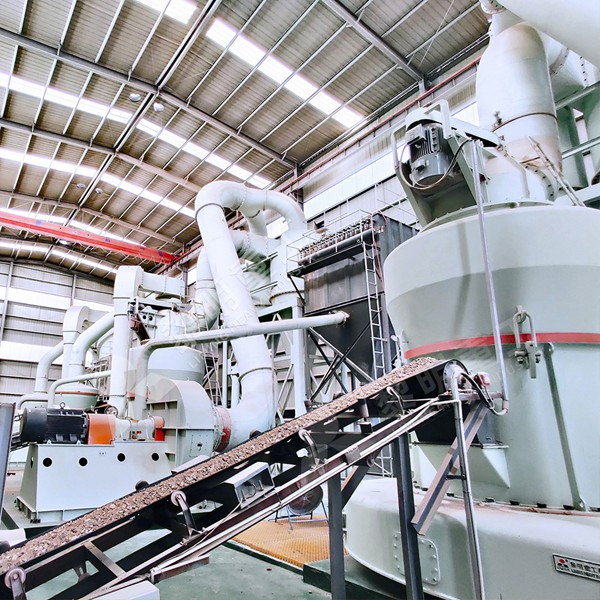
What distinguishes our Raymond Mill in marble applications is its specific design considerations. Marble, primarily composed of calcium carbonate, is a relatively soft but abrasive material. Our mills are constructed with wear-resistant alloys for key grinding components, extending service life and reducing maintenance downtime. The system's ability to handle materials with humidity below 6% is advantageous, as marble often requires dry processing to preserve its chemical properties and whiteness. Furthermore, the adjustable fineness between 613μm and 44μm allows producers to tailor the powder for different market needs—coarser grades for fillers in construction composites and ultra-fine grades for high-value applications like premium paints or plastics.
Beyond the core grinding unit, Liming's approach emphasizes a complete, integrated system. A typical marble powder production line with our Raymond Mill includes auxiliary equipment such as a jaw crusher for primary size reduction, a vibrating feeder for even material flow, an air blower, piping, and a pulse dust collector. The integration of an efficient pulse dust collector is particularly vital. It ensures that the production environment meets stringent environmental protection standards by capturing airborne particles, making the process cleaner and safer for operators while maximizing product yield. This holistic system design reflects our "production, learning, and research" philosophy, ensuring every component works in harmony for optimal performance.
While we offer advanced solutions like the MTW European Type Grinding Mill and the MW Micro Powder Mill for ultra-fine processing, the Raymond Mill remains a cornerstone for marble powder production due to its exceptional cost-effectiveness, operational simplicity, and reliability. It represents the perfect balance of traditional grinding efficiency and modern, incremental improvements in durability and control. For many medium-to-large scale operations focused on producing high-quality marble powder within the 100-400 mesh range, the Raymond Mill offers an unbeatable return on investment.
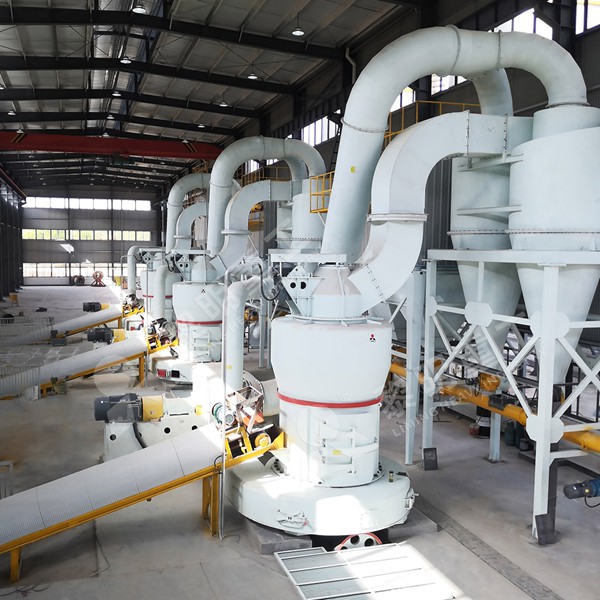
Liming Heavy Industry's dedication to scientific research and development fuels the continuous evolution of our grinding technologies. By focusing on product competitiveness and leveraging a mature R&D team, we aim at the technological frontier of the industry. Our Raymond Mill for marble is more than just a machine; it is a reliable production partner engineered for stability, efficiency, and consistent output quality. It embodies our corporate mission of providing robust machinery that drives progress in the non-metallic mineral processing sector worldwide.
Frequently Asked Questions (FAQs)
1. What is the typical input size of marble for your Raymond Mill?
Our Raymond Mill is optimally designed to process marble materials with an input size ranging from 15mm to 25mm. For larger chunks, a primary crushing stage using a jaw crusher is recommended as part of the complete system.
2. Can the Raymond Mill handle wet marble?
The standard Raymond Mill is designed for grinding materials with a moisture content of less than 6%. For marble with higher humidity, a pre-drying system may be required to ensure optimal grinding efficiency and powder quality.
3. What fineness range can be achieved for marble powder?
The machine can produce marble powder with a fineness adjustable between 613 microns (μm) and 44 microns (μm). This corresponds approximately to a range of 25 mesh to 325 mesh, allowing flexibility for various application requirements.
4. How does your mill ensure consistent powder quality?
Consistency is achieved through the integrated classifier system. It continuously separates fine powder from coarse particles, which are returned for regrinding. This closed-circuit grinding and classifying process ensures a stable and uniform final product size.
5. What are the key wear parts, and how are they protected for abrasive materials like marble?
The key wear parts are the grinding rollers and the grinding ring. For processing abrasive materials like marble, these components are manufactured from high-chromium or other wear-resistant alloys to significantly extend their operational lifespan and reduce maintenance frequency.


