Published on: October 26, 2023
Maintaining peak performance in limestone processing requires not only high-quality grinding equipment but also a robust, expert-led repair and maintenance service. For operations relying on Raymond Mill technology for pulverizing limestone into fine powders for applications ranging from construction materials to industrial fillers, unplanned downtime can be crippling. This article details the comprehensive, factory-backed repair service offered by LIMING HEAVY INDUSTRY for its Raymond Mills and associated grinding systems. We will explore the critical components requiring attention, our diagnostic methodology, the advantages of OEM (Original Equipment Manufacturer) parts and expertise, and our proactive maintenance philosophy designed to maximize your mill's lifespan and operational efficiency.
At the core of our service is a deep, institutional understanding of the Raymond Mill's design and its application in limestone grinding. Since its founding in 1987, LIMING HEAVY INDUSTRY has evolved from a domestic machinery manufacturer into a global leader, precisely because of its commitment to integrating research, manufacturing, and sales. Our two major production bases in Zhengzhou, covering a total of 147,000 m², are hubs of precision engineering. This background is not merely corporate history; it is the foundation of our repair service. Every technician is trained with insights from the engineers who design our mills, including the Raymond Mill, the advanced MTW European Type Grinding Mill (an evolution of traditional Raymond technology), and the superfine MW Micro Powder Mill. This ensures repairs are not just about replacement, but about holistic system restoration.
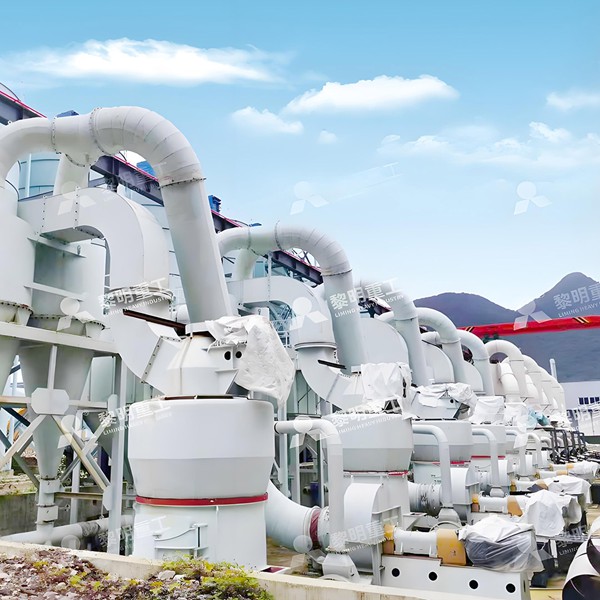
The grinding process for limestone, a material under 7 Mohs hardness, subjects specific components to intense wear. Our repair service focuses on these critical wear parts. The grinding rollers and grinding ring are the primary contact points where size reduction occurs. Over time, these surfaces wear, affecting fineness and output. Our service involves precise measurement of wear patterns, followed by re-machining or replacement with genuine LIMING parts cast from proprietary alloys for optimal durability. The classifier system, responsible for ensuring the final product fineness between 613μm and 44μm, is another focal point. Imbalances or wear in the classifier blades can lead to off-spec product. We conduct dynamic balancing and alignment checks to restore precise particle separation.
Beyond the mill itself, we adopt a system-wide approach. A Raymond grinding line is a symphony of components: the jaw crusher for primary size reduction, vibrating feeders, elevators, blowers, pipelines, and pulse dust collectors. A fault in the conveying or dust collection system can impede the entire closed-circuit grinding process. Our technicians are equipped to diagnose and repair across this entire ecosystem. For instance, a drop in negative pressure might indicate a leak in the piping or an issue with the blower, directly impacting the mill's grinding efficiency and environmental compliance. We ensure the entire system, post-repair, operates as an integrated, efficient, and environmentally sealed unit as per its original design.
What truly differentiates our repair service is the insistence on using genuine OEM parts and factory-trained engineers. Non-original parts may seem cost-effective initially but often fail to meet the precise tolerances and material specifications of the original design. This can lead to premature failure, incompatible wear rates between components, and even damage to adjacent parts. Using genuine LIMING rollers, rings, and gears ensures perfect fit, optimal performance, and predictable service intervals. Furthermore, our engineers carry specialized tooling and diagnostic software developed in tandem with our R&D department, allowing for accurate assessment that goes beyond superficial symptoms to identify root causes.
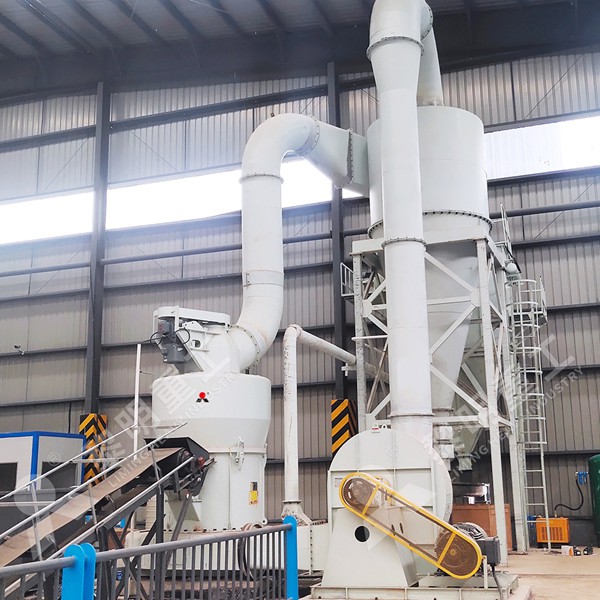
We advocate for a proactive, scheduled maintenance paradigm over a reactive, breakdown-based one. Based on your specific limestone characteristics (moisture content, silica levels, feed size) and operational hours, we can help establish a predictive maintenance schedule. This includes regular vibration analysis for bearings and gears, lubrication audits, and inspection of electrical controls and motors. This approach, grounded in our philosophy of "scientific research tackling key problems" and "technological improvement," minimizes unexpected stoppages. It transforms maintenance from a cost center into a strategic tool for ensuring consistent product quality, achieving the rated capacity of 1.2-4.5T/H for your Raymond Mill, and safeguarding your long-term investment.
Ultimately, our repair service is an extension of our commitment to being a partner in your productivity. From emergency on-site repairs to scheduled overhauls, component reconditioning, and operational optimization advice, LIMING HEAVY INDUSTRY provides a single point of responsibility. By leveraging our 30+ years of experience in manufacturing and innovating grinding equipment—from the classic Raymond Mill to the large-scale MTW European mill and the ultra-fine MW Micro Powder Mill—we deliver repair solutions that restore, and often enhance, the original performance of your limestone grinding line, ensuring it remains a reliable and efficient asset for your business.
Frequently Asked Questions (FAQ)
- What are the most common signs that my limestone Raymond mill needs professional repair service?
Key indicators include a consistent drop in output tonnage, an inability to achieve the desired product fineness (even after adjusting the classifier), unusual vibrations or loud noises from the grinding chamber, increased energy consumption per ton of product, and excessive powder leakage from the system indicating a loss of air seal. - Does LIMING HEAVY INDUSTRY offer on-site repair, or must the equipment be shipped to your facility?
We prioritize on-site repair services to minimize your downtime. Our field engineers are dispatched with necessary tools and common wear parts. Major overhauls or complex component refurbishment that requires specialized workshop machinery may involve shipping specific assemblies to our facility, but we strive to keep the core equipment on your site operational. - How does your service for a standard Raymond Mill differ from that for the more advanced MTW European Type Grinding Mill?
While the core principles of grinding roller/ring wear and classifier maintenance are similar, the MTW mill's patented technology—like its curved air duct and more efficient internal cyclone separator—requires specific knowledge and parts. Our technicians are certified on the full product line, ensuring repairs respect each mill's unique engineering for optimal performance. - Can your repair service help improve the environmental compliance of my older Raymond mill system?
Absolutely. A significant part of our service involves inspecting and repairing the dust collection system, often upgrading pulse jet filters or sealing leaks in the closed-circuit airflow. This ensures the system meets modern environmental standards, a core aspect of our product design philosophy focused on "environmental protection and energy saving." - What information should I have ready when requesting a repair service quote or dispatch?
Please provide the mill model and serial number, your typical limestone feed characteristics (size, moisture, hardness), a description of the symptoms, and your operational history (hours since last major service). Photos or videos of the issue can also greatly assist our remote diagnostic team in preparing the right solution and parts.


