Published: October 26, 2023
Raymond Mill remains a cornerstone of fine powder processing across diverse industries, from metallurgy and construction materials to chemicals and mining. As a mature and reliable technology, its sustained performance hinges on proper operation, regular maintenance, and informed troubleshooting. This article provides comprehensive technical support guidelines for Raymond Mill systems, drawing upon decades of engineering and manufacturing expertise from Liming Heavy Industry. We will delve into operational best practices, common maintenance procedures, and solutions for typical performance issues, ensuring your milling process achieves optimal efficiency, product fineness, and equipment longevity.
Understanding the fundamental working principle is the first step toward effective technical management. The Raymond Mill grinds materials between stationary rings and rotating rollers. Crushed raw material is fed into the grinding chamber via a feeder. As the rollers rotate, they crush and grind the material against the ring. The ground powder is then carried by the air flow from the blower into the separator (classifier) above the grinding chamber. Here, oversized particles are rejected and returned for further grinding, while qualified fine powder passes through and is collected by a cyclone collector or bag filter as the final product. This closed-circuit system is key to controlling product fineness and efficiency.
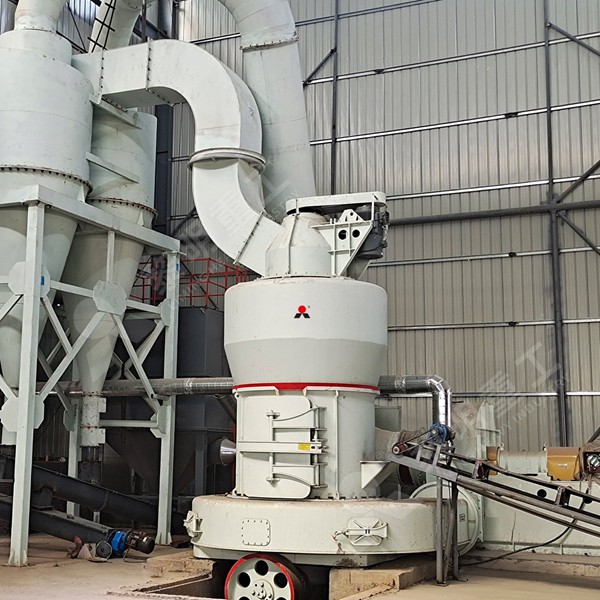
For operators, daily checks are paramount. Before starting, ensure all access doors are closed tightly and inspect the wear condition of grinding rolls and rings—these are the core wear parts. Check the lubrication of all bearings, including the main shaft bearing and roller bearings, according to the prescribed schedule. Verify that the feeder operates smoothly without blockage and that the air flow system, including the blower and ducts, is unobstructed. During operation, monitor the amperage of the main motor; a stable current within the normal range indicates stable feeding and grinding conditions. Abrupt increases often signal over-feeding, while decreases may indicate under-feeding or loss of grinding force due to excessive wear.
One of the most frequent challenges is a decline in output or capacity. This can stem from several root causes. Worn grinding rollers and rings are the primary suspects. As these components wear, the grinding pressure and efficiency drop significantly. Regular inspection and timely replacement are necessary. Another common cause is a blocked air circulation system. Leaks in pipes, a clogged filter bag in the dust collector, or issues with the blower can disrupt the air flow that transports finished powder, causing material to accumulate inside the mill. Regularly check the tightness of pipe connections and the pressure drop across the dust collector. Improper adjustment of the separator is also a factor. If the rotational speed of the classifier is set too high, it rejects too many particles, increasing internal circulation load and reducing effective output.
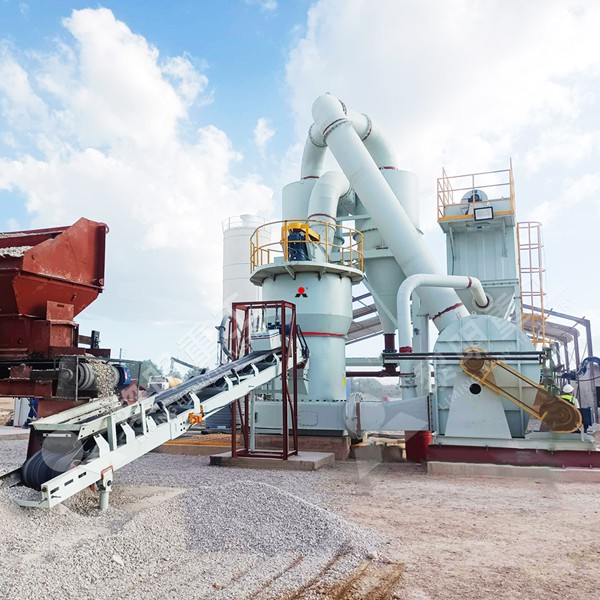
Product fineness inconsistency is another critical area. If the powder becomes coarser than specified, first check the classifier's speed and the condition of its blades. Worn or damaged blades impair classification accuracy. Increasing the classifier speed generally produces finer product, while decreasing it makes it coarser. Also, ensure the blower air volume is sufficient and stable, as air flow is crucial for carrying fine particles to the separator. Conversely, if the product is too fine, leading to low yield, consider slightly reducing the classifier speed. Always remember that changes to one parameter (like feed rate, grinding force, or air flow) can affect others; adjustments should be made incrementally and systematically.
Vibration and unusual noise are serious alarms that require immediate attention. Severe vibration often points to imbalances or failures. Check if a grinding roller assembly is broken or if there is uneven wear causing imbalance. Inspect the foundation bolts and all connecting fasteners for tightness. Unusual metallic grinding noises may indicate direct contact between metal parts due to a lack of grinding material (running the mill empty) or severe wear allowing parts to touch. Always ensure the mill is fed with material before starting the grinding rollers and has run empty of material before stopping them, following the correct startup/shutdown sequence.
Preventive maintenance is the most cost-effective technical support strategy. Establish a scheduled maintenance plan based on operating hours. This includes: regular greasing of all lubrication points, checking and tightening all bolts, inspecting electrical connections, cleaning the air filter for the blower, and checking the wear on shovel blades in the grinding chamber. Keep a log of maintenance activities, replacement parts, and performance metrics. This historical data is invaluable for predicting part life and diagnosing recurring issues. Using genuine wear parts from the original manufacturer, such as Liming Heavy Industry, ensures dimensional accuracy, material integrity, and perfect fit, which directly translates to stable grinding performance and longer intervals between overhauls.
Finally, a systematic approach to troubleshooting is essential. When a problem arises, start from the simplest and most accessible causes. For example, if the mill stops suddenly, check the electrical supply, circuit breakers, and safety interlocks (like door switches) before investigating mechanical issues. Use your senses: look for material leaks, listen for changes in sound, feel for abnormal heat on bearings, and monitor instrument readings consistently. Training for operational and maintenance personnel on these principles is a critical investment, turning reactive fixes into proactive management of your Raymond Mill asset.
Frequently Asked Questions (FAQs)
- What materials are suitable for grinding with a Raymond Mill?
Raymond Mill is suitable for processing non-flammable and non-explosive materials with Mohs hardness less than 7 and humidity below 6%. Common applications include grinding calcium carbonate, gypsum, talc, barite, feldspar, calcite, limestone, marble, and slag, among other non-metallic minerals. - How is the fineness of the final powder adjusted?
The fineness is primarily adjusted by changing the rotational speed of the built-in separator (classifier). Increasing the speed typically yields finer powder, while decreasing it produces coarser powder. The air flow volume from the blower also plays a supporting role in this adjustment. - What are the most common wear parts that need regular replacement?
The key wear parts are the grinding rollers and the grinding ring. Other parts subject to wear include the shovel blades (or wear plates) in the base that direct material, and the classifier blades. The replacement interval depends on the material's abrasiveness and total operating hours. - Why is there a sudden increase in the main motor current during operation?
A sudden current increase usually indicates over-feeding. The feeding rate should be reduced immediately. It can also be caused by a blockage in the grinding chamber or air system, or a severe lack of lubrication in the main bearing. - What is the correct startup and shutdown sequence for a Raymond Mill?
The standard sequence is: Start the dust collector and related equipment, then start the main blower. Next, start the Raymond Mill's main motor (with the feeder off). Once the mill runs smoothly, start the feeder to begin material supply. For shutdown, first stop the feeder and wait until the grinding chamber is empty (current drops), then stop the main motor. Finally, stop the blower and dust collector after a delay to clear residual air-borne dust.


