Published on: 2025-03-25
An automatic limestone grinding production line represents a sophisticated, fully-integrated system designed to transform large limestone raw materials into fine powders of various specifications, catering to diverse industrial applications such as power plant desulfurization, building materials, chemicals, and metallurgy. At Liming Heavy Industry Co., Ltd., we have engineered a range of grinding mills—including LM Vertical Roller Mill, Raymond Mill, MTW European Type Trapezium Mill, MW Micro Powder Mill, and Ball Mill—each optimized for specific capacity, input size, and fineness requirements. Our production lines integrate crushing, grinding, classifying, and dust collection into a seamless, automated process, ensuring high efficiency, low energy consumption, and strict adherence to environmental standards. With over three decades of experience since 1987, Liming Heavy Industry combines modern scientific management with precision manufacturing to deliver robust, reliable, and innovative solutions for the global non-metallic mineral processing sector.
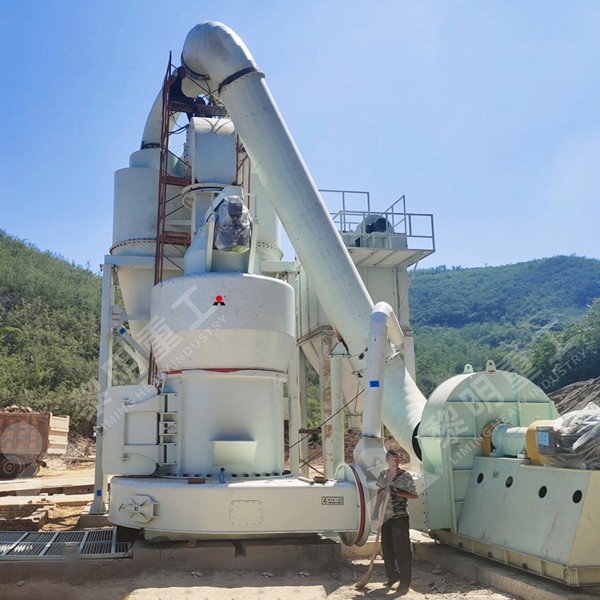
The core of an automatic limestone grinding production line lies in its ability to handle material from primary crushing to final product collection with minimal manual intervention. Typically, the process begins with a jaw crusher reducing large limestone blocks (up to 30–55 mm depending on mill type) to a manageable size. This crushed material is then uniformly fed by a variable-frequency belt feeder or vibrating feeder into the grinding mill. Inside the mill, the material is ground between rotating rollers and a stationary ring (in Raymond and MTW mills) or through the tumbling action of steel balls in a ball mill. The ground powder is carried upward by an air stream to a separator, where oversized particles are returned for regrinding, while fine particles pass through to a cyclone collector or pulse dust collector. The closed-loop air system recirculates through a blower, enhancing energy efficiency. The entire line is controlled via an automatic electric control system, allowing operators to monitor and adjust parameters such as feed rate, grinding pressure, and classifier speed in real-time, ensuring consistent product fineness and throughput.
Liming Heavy Industry's MTW European Type Trapezium Mill, for instance, exemplifies the advanced engineering behind these lines. It boasts patented technology that improves upon traditional Raymond and pendulum mills, delivering a capacity range of 3–55 TPH with input sizes up to 50 mm. This mill is particularly suited for limestone desulfurization in power plants and heavy calcium carbonate processing, offering stable performance and reduced energy consumption. The integrated pulse dust collector ensures that emissions comply with stringent environmental regulations, making the line both productive and eco-friendly. Similarly, the LM Vertical Roller Mill, with capacities from 10 to 400 TPH, incorporates a new milling device and automatic control system, enabling simultaneous drying, grinding, and powder selection—ideal for large-scale operations in cement, electricity, and metallurgy industries. For superfine applications, the MW Micro Powder Mill delivers products down to d97 ≤ 5μm (325–3250 mesh), using a medium-speed grinding mechanism inspired by Swedish technology, with capacities ranging from 0.5 to 25 TPH.
Beyond the mills themselves, a complete automatic limestone grinding production line includes auxiliary equipment like hoppers, elevators, pipes, powder collectors, and electric cabinets, all designed to work in concert. The system's design minimizes downtime through robust components and easy maintenance access. For example, the ball mill, with its ladder and ripple liners and steel ball gradation, ensures efficient grinding for ores and construction materials, handling input sizes up to 25 mm and capacities from 0.65 to 50 TPH. All our equipment is backed by Liming Heavy Industry's modern scientific research team, which focuses on technological innovation and improvement, ensuring that each production line meets the evolving demands of the market. Our manufacturing facilities, covering 80,000 m² in the HI-TECH Industry Development Zone of Zhengzhou and an additional 67,000 m² in Shangjie Industry Park, are equipped to produce large and medium-sized machines with precision and quality control.
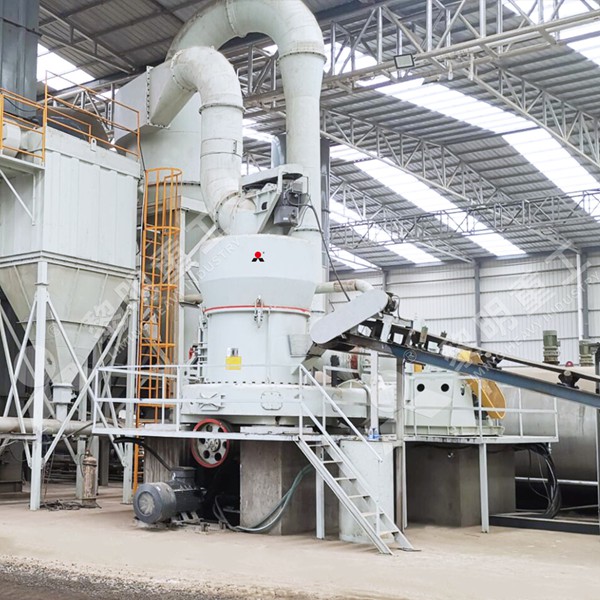
When designing an automatic limestone grinding production line, factors such as material hardness (below 7 on Mohs scale for Raymond and MTW mills), moisture content (less than 6% for optimal performance), and desired fineness play a crucial role in selecting the appropriate mill configuration. Liming Heavy Industry offers tailored solutions, from single mill units to turnkey plants, integrating our expertise in scientific research tackling key problems, technological progress, and collaborative production-learning-research initiatives. Whether the goal is to produce 200 mesh limestone powder for desulfurization or ultra-fine 1250 mesh material for filler applications, our product range provides the flexibility and reliability needed to achieve cost-effective, high-volume production. We invite you to explore how our automatic limestone grinding production lines can enhance your operations, combining cutting-edge technology with decades of industry leadership.
FAQ
1. What is the typical input size for the MTW European Type Trapezium Mill in a limestone grinding line?
The recommended input size for the MTW mill is 30–50 mm, although larger chunks can be reduced using a primary jaw crusher before feeding.
2. How does the automatic control system improve production efficiency?
The automatic electric control system allows real-time adjustment of feed rate, grinding pressure, and classifier speed, ensuring consistent product quality and reducing manual oversight.
3. Can the same production line handle different fineness requirements for limestone?
Yes, by adjusting the separator speed and mill parameters, the line can produce a range of fineness from 613 μm to 44 μm (for Raymond mills) or up to 5 μm (for micro powder mills).
4. What environmental features are integrated into the automatic limestone grinding line?
The line includes a closed-loop air system and a pulse dust collector, which captures fine particles and ensures emissions meet national environmental protection standards.
5. Is pre-crushing always necessary before feeding material into the grinding mill?
For most mills like Raymond and MTW, pre-crushing to 15–30 mm is required to optimize grinding efficiency and prevent damage to the mill components.


