Published: October 26, 2023
Ensuring the safe and efficient operation of limestone grinding equipment, particularly Raymond mills and their advanced variants, is paramount for productivity, product quality, and personnel safety. This article provides a comprehensive guide to safety protocols, operational best practices, and maintenance routines tailored for limestone processing. Drawing from decades of engineering expertise at Liming Heavy Industry, we will explore the critical aspects of operating equipment like the traditional Raymond Mill, the MTW European Type Grinding Mill, and related systems, emphasizing how their design integrates safety features to protect both the workforce and the investment.
At Liming Heavy Industry, founded in 1987, our philosophy intertwines precision manufacturing with a steadfast commitment to operational safety. Our grinding equipment, engineered in our 80,000 m² Hi-TECH Industry Development Zone facilities, is built with the understanding that safety is not an add-on but a foundational design principle. For limestone grinding—a process central to industries from construction to power plant desulfurization—proper operation begins with selecting the correct equipment. The Raymond Mill, suitable for materials under 7 Mohs hardness like limestone, and its technological successor, the MTW European Type Trapezium Mill, are designed with systems that mitigate common hazards such as dust explosion risks, mechanical entanglement, and excessive vibration.
The cornerstone of safety lies in a thorough pre-operational checklist. Before initiating the grinding process, personnel must conduct a visual inspection of the entire system. This includes the grinding mill itself, the jaw crusher for primary size reduction, vibrating feeders, pipelines, and critical ancillary components like the pulse dust collector and powder collector. Check for any loose bolts, signs of wear on grinding rings and rollers, integrity of protective guards, and leaks in the air circulation system. Ensure all electrical cabinets are securely closed and that emergency stop buttons are accessible and functional. Verify that the limestone feed size complies with the equipment specification (e.g., 15-25mm for Raymond Mill, 30-50mm for MTW Mill) to prevent blockages and overload.
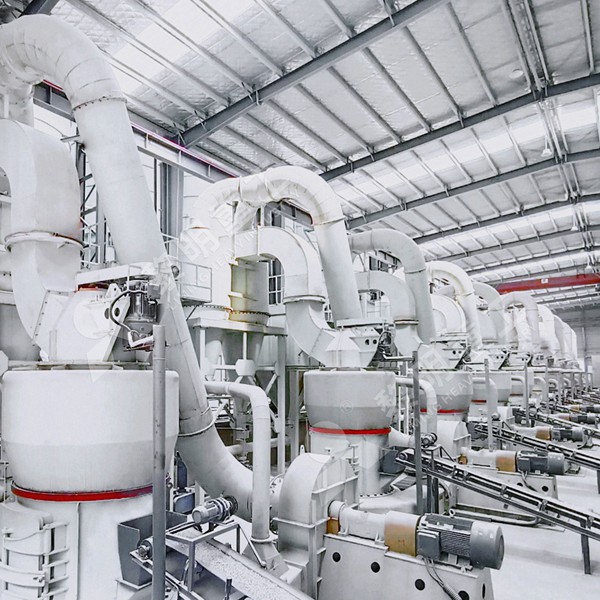
During operation, continuous monitoring is essential. Operators should pay close attention to the amperage of the main motor; a sudden, sustained increase can indicate overfeeding or a mechanical jam. The grinding chamber should maintain a stable negative pressure, especially in closed-system designs like the MTW mill, where air flow recycles through the blower. This prevents limestone powder from escaping into the work environment. The noise and vibration levels should remain consistent with baseline readings; any abnormal increase could signal unbalanced rollers, worn bearings, or foundation issues. Crucially, the temperature of grinding components and bearing housings must be monitored, as excessive heat from friction is a primary failure point and a fire risk.
Material handling presents significant safety considerations. Limestone, while non-flammable, generates combustible dust when finely ground. The integrated pulse dust collector is not merely for environmental compliance; it is a vital safety device that maintains dust concentrations below explosive limits. Its filter bags must be inspected and replaced per the maintenance schedule to ensure peak efficiency. Furthermore, the automatic control systems in our LM Vertical Roller Mill and MTW Mill are designed to maintain optimal conditions, reducing the need for manual intervention near moving parts. However, if manual feeding adjustment is necessary, strict lock-out/tag-out (LOTO) procedures must be followed before accessing any feed mechanism.
Routine maintenance is the most effective proactive safety strategy. This involves scheduled shutdowns for detailed inspection and part replacement. Key wear parts like grinding rollers, rings, and blades in classifiers should be measured and replaced before they fail catastrophically. Lubrication of all bearings and gearboxes must adhere to the manufacturer's guidelines—using the wrong grease or neglecting intervals can lead to seizing and sparks. The electrical system, including all motors and variable-frequency drives, requires periodic inspection by qualified electricians to prevent short circuits. Always ensure the equipment is completely powered down and isolated before commencing any maintenance work.
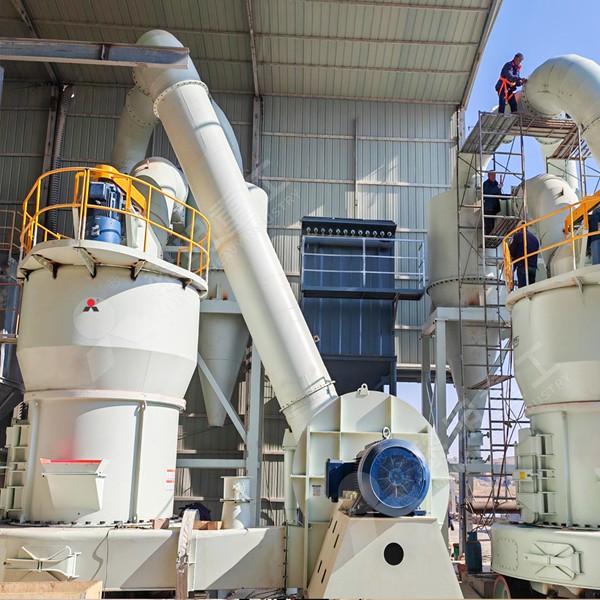
Finally, comprehensive operator training cannot be overstated. Personnel must be thoroughly trained not only on the working principle—such as how material is ground between ring and rollers and conveyed by air flow—but also on emergency response protocols. They should be able to identify the signs of impending equipment failure and know the correct shutdown sequence. At Liming Heavy Industry, we believe that empowering operators with knowledge about their machinery, from the Ball Mill's rotating chamber with steel balls to the MW Micro Powder Mill's advanced superfine processing, is the ultimate safeguard. A culture of safety, supported by robust equipment design from a leader in grinding technology, ensures that limestone grinding operations achieve their capacity goals—from 1.2-4.5T/H to 55TPH—reliably and without incident.
Frequently Asked Questions (FAQs)
1. What are the primary safety hazards associated with operating a Raymond mill for limestone?
The main hazards include dust explosion potential from accumulated fine limestone powder, mechanical hazards from rotating parts like rollers and classifiers, risks of entanglement from drive belts, electrical hazards, and noise exposure. Proper dust collection, guarding, lock-out/tag-out procedures, and PPE are essential mitigations.
2. How often should the critical wear parts in an MTW European Type Grinding Mill be inspected?
Inspection frequency depends on operational hours and material abrasiveness. For continuous limestone grinding, a detailed visual inspection of grinding rollers, rings, and liner wear is recommended weekly. Precise measurement and replacement planning should be based on monthly thickness checks against the manufacturer's minimum allowable specifications.
3. Why is maintaining a closed air circulation system and negative pressure important for safety?
A tightly sealed, negative-pressure system prevents the escape of limestone dust into the atmosphere, protecting worker respiratory health and significantly reducing the risk of creating an explosive dust cloud in the workspace. It ensures dust is effectively captured and routed to the pulse dust collector.
4. What is the first action an operator should take if they notice abnormal vibration or noise?
The operator should immediately initiate a controlled shutdown sequence using the standard operating procedure, likely beginning with stopping the feed and then the grinding mill. Do not attempt to diagnose the issue while the equipment is running. Investigate only after the machine is fully stopped, isolated from power, and locked out.
5. Can the same safety protocols be applied to all Liming grinding mills, like the Ball Mill and LM Vertical Roller Mill?
While core safety principles (LOTO, dust control, guarding, training) are universal, specific protocols vary. A Ball Mill, with its rotating drum and steel balls, has different mechanical hazards than a vertical roller mill. Always consult and follow the specific operation and safety manual provided for each equipment model and application.


