Published: October 26, 2023
The successful commissioning of a Raymond Mill for limestone powder production is a critical phase that determines the long-term efficiency, reliability, and profitability of a grinding operation. This process involves meticulous planning, systematic execution, and thorough verification of the mill's performance against designed parameters. For operators utilizing equipment from industry leaders like LIMING HEAVY INDUSTRY CO., LTD., a company with over three decades of expertise in manufacturing medium and large-scale crushing and grinding machinery, understanding the nuances of commissioning their Raymond Mill ensures optimal utilization of its capabilities. This article provides a professional, step-by-step guide to commissioning a Raymond Mill for limestone, drawing on industry best practices and the robust engineering principles embedded in LIMING's design philosophy, which emphasizes scientific research, technological innovation, and precision manufacturing.
The commissioning journey begins long before the first switch is flipped. It starts with a comprehensive pre-commissioning review. All mechanical installations must be verified for alignment, bolt torque, and lubrication. For a Raymond Mill designed for minerals like limestone under 7 Mohs hardness, special attention is paid to the grinding ring and rollers, ensuring they are free from damage and properly seated. The auxiliary systems—including the jaw crusher for primary size reduction, vibrating feeder, cyclone separator, piping, and pulse dust collector—must be inspected for integrity and correct assembly. Electrical checks follow, confirming that all motors, drives, and the automatic electric control system are correctly wired, grounded, and calibrated. LIMING's systems, integrating drying, grinding, powder selection, and conveying, require precise interlocking of these components.
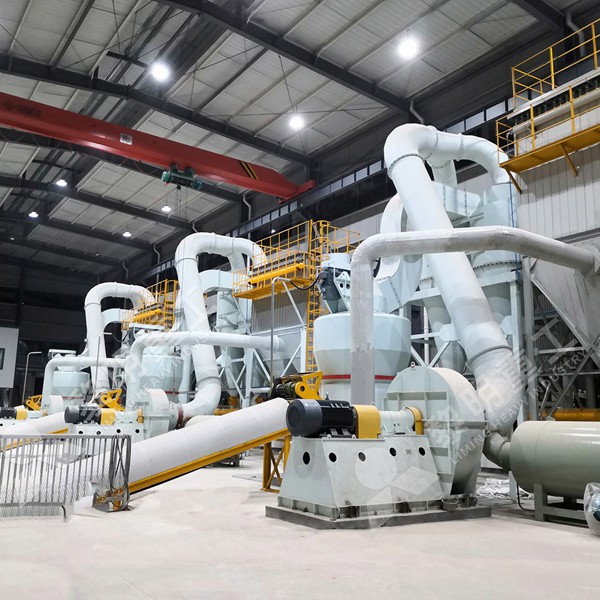
With pre-checks complete, the commissioning proceeds to the no-load test. This involves running the mill's main drive, classifier, fan, and feeder systems without any material. The primary goal is to verify smooth rotation, absence of unusual vibrations or noises, proper operation of bearings, and correct rotation direction. The control system's functionality is tested, ensuring all sensors, safety interlocks, and emergency stops operate as intended. This phase is crucial for identifying any installation flaws that could lead to premature wear or failure once under load.
The heart of commissioning is the load test. Starting with a low feed rate of coarse limestone (typically within the mill's specified input size of 15-25mm), operators gradually introduce material. The system's response is closely monitored. Key parameters include: the amperage draw of the main motor (indicative of grinding load), the pressure drop across the grinding zone, the temperature of bearings and outgoing air, and the stability of the feed system. The classifier speed is adjusted to begin steering the fineness of the output powder towards the target range (between 44μm and 613μm). LIMING's Raymond Mills, known for their stability in processing non-flammable, non-explosive materials, should demonstrate a steady state operation as feed rates are incrementally increased to the designed capacity of 1.2-4.5T/H.
Performance validation is the final, data-driven stage. Over a sustained period (e.g., 24-48 hours of continuous operation), the mill's output is rigorously measured. This includes quantifying the production rate (tons per hour), verifying the particle size distribution (PSD) through sieve analysis or laser diffraction to ensure it meets the specified fineness, and measuring the specific energy consumption (kWh/ton). For limestone destined for applications like power plant desulfurization or as a filler in construction, consistent fineness is paramount. The efficiency of the closed-circuit system and the pulse dust collector is also assessed to confirm it meets environmental standards, a core aspect of modern, responsible operations supported by LIMING's commitment to green technology.
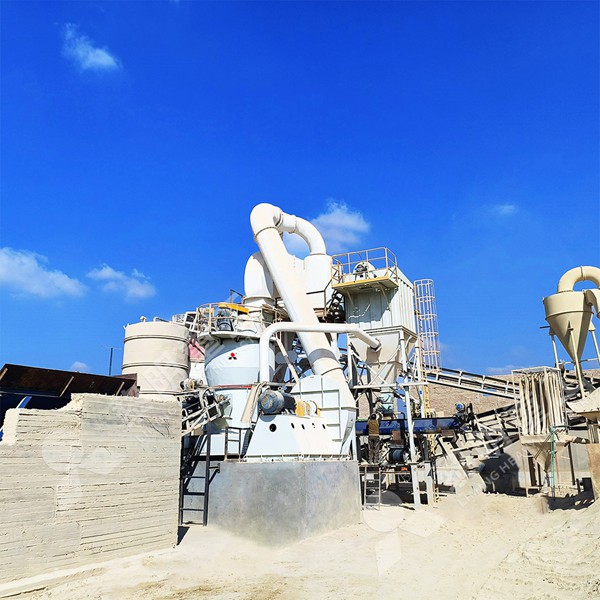
Successful commissioning culminates in operator training and documentation handover. A well-trained team is essential for maintaining the mill's performance. Training should cover normal startup/shutdown sequences, daily checks (lubrication, belt tension, wear inspection on grinding elements), routine maintenance schedules, troubleshooting common issues like low output or coarse powder, and understanding the control system logic. Detailed records of all commissioning data—baseline vibrations, initial operating parameters, and performance test results—serve as a vital reference for future maintenance and optimization, ensuring the Raymond Mill delivers reliable service for years to come, embodying the durability and innovation that LIMING HEAVY INDUSTRY builds into its equipment.
FAQ
Q1: What are the key safety checks before starting the Raymond Mill commissioning?
A1: Essential safety checks include verifying that all safety guards are in place, emergency stop buttons are functional, electrical isolations are secure, the grinding chamber is clear of tools or debris, and all personnel are clear of rotating equipment before initiating power.
Q2: How is the fineness of the limestone powder adjusted during operation?
A2: The fineness is primarily controlled by adjusting the speed of the integrated classifier or separator. Increasing the speed typically results in finer product, as only smaller particles can pass, while decreasing it allows coarser material to be collected as finished product.
Q3: What are common signs of improper mill alignment or mechanical issues during no-load testing?
A3: Unusual or excessive vibration, irregular or high-pitched noises from the grinding zone, uneven bearing temperatures, and fluctuating amperage on the main drive motor without load are all potential indicators of misalignment, imbalance, or improper assembly.
Q4: Why is a gradual feed increase critical during the initial load test?
A4: A gradual ramp-up allows the system to reach thermal and mechanical stability, prevents overloading and potential choking of the mill, and enables operators to carefully observe and adjust system parameters (airflow, classifier speed) to establish optimal operating conditions step-by-step.
Q5: What routine maintenance is most critical for sustaining Raymond Mill performance on limestone?
A5: Regular inspection and replacement of wear parts like grinding rollers and rings, maintaining proper lubrication of all bearings, checking and tightening drive belts, ensuring the feeder operates consistently, and keeping the pulse jet dust collector's filters clean are paramount for sustained capacity and product quality.


