Published: October 26, 2023
For operators in mining, construction, and industrial minerals, achieving consistent, high-yield limestone powder production is a cornerstone of profitability. This article provides a comprehensive overview of the professional installation and commissioning service offered by LIMING HEAVY INDUSTRY for its advanced Raymond grinding systems. We detail the systematic approach—from pre-installation site assessment and foundation preparation to mechanical erection, electrical integration, and final performance optimization—that ensures your limestone grinding line, whether based on the traditional Raymond Mill, the high-capacity MTW European Type Grinding Mill, or other solutions, is operational at peak efficiency from day one, backed by decades of engineering expertise.
The journey to optimal limestone grinding begins long before the equipment arrives on site. LIMING HEAVY INDUSTRY’s installation protocol initiates with a detailed engineering review and site survey conducted by our project engineers. This critical phase involves analyzing the client's specific limestone characteristics (hardness, moisture content, desired output fineness), available plant layout, power supply infrastructure, and environmental considerations. Based on this data, our team finalizes the system configuration, which may include the primary jaw crusher for initial size reduction, the variable-frequency vibrating feeder for consistent material flow, the core Raymond grinding mill, the high-efficiency separator, the air blower, and the complete dust collection and piping circuit. This meticulous planning prevents costly rework and ensures all components, from the main drive motor to the electric control cabinet, are positioned for optimal workflow and maintenance access.
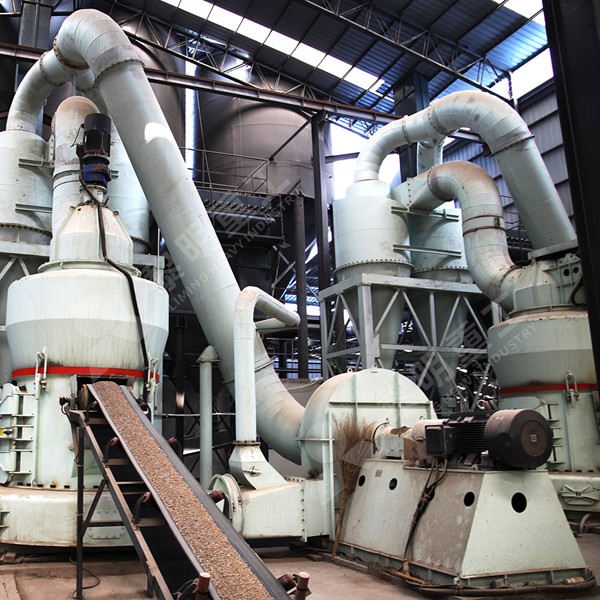
Following planning, the physical installation commences with the preparation of reinforced concrete foundations, precisely crafted to the drawings we supply to withstand the dynamic loads and vibrations of continuous grinding operations. Our certified installation team then oversees the staged erection of the system. Major components like the grinding mill base and mainframe are carefully leveled and aligned—a step where precision is paramount to prevent undue wear and ensure smooth operation. The mechanical assembly includes connecting the grinding roller and ring assembly, installing the classifier, and integrating the closed-circuit pneumatic conveying system with its network of ducts and cyclones. Simultaneously, our electricians wire the centralized control system, integrating variable-frequency drives (VFDs) for the feeder and fan motors, which are crucial for fine-tuning the grinding process and energy consumption.
The heart of the system, the grinding mill itself, leverages proven technology refined over LIMING's 30+ years in manufacturing. For limestone applications, the MTW European Type Trapezium Mill is often the recommended solution. Its upgraded grinding chamber geometry and curved shovel blade design ensure a larger feeding capacity and more efficient lifting of limestone feed into the grinding zone between the roller and ring. The system's intelligence lies in its closed-loop airflow: material is ground and carried by the air stream to the separator; oversize particles are rejected back for regrinding, while finished powder of the target fineness (adjustable typically between 44μm to 613μm) is conveyed to the pulse-jet bag filter for collection. This entire process is monitored and controlled from an automated panel, allowing for stable, repeatable production.
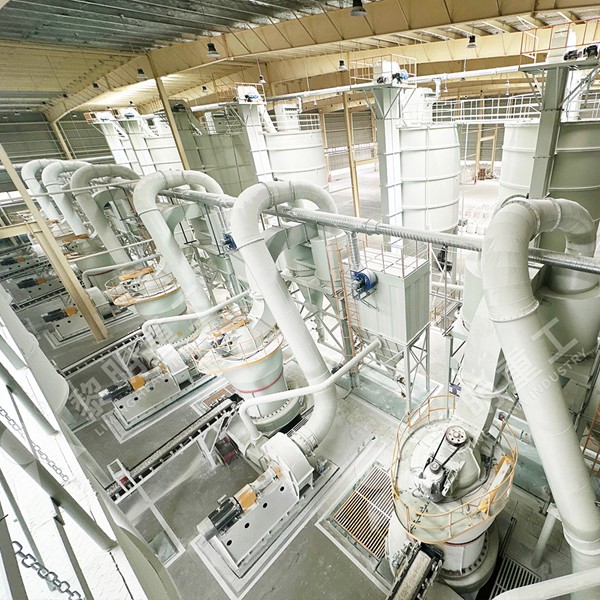
Commissioning and training mark the final, hands-on phase of our service. Our engineers conduct a step-by-step startup, beginning with no-load testing of individual components like the crusher, feeder, and blower, followed by a full system run. We then proceed to load testing with actual limestone, meticulously adjusting parameters such as feeder speed, classifier rotor speed, and grinding pressure to achieve the specified capacity and product fineness. We demonstrate operation under various conditions and train your personnel on all aspects: routine startup/shutdown sequences, daily maintenance checks for wear parts like grinding rolls, troubleshooting common issues, and ensuring the dust collector operates within environmental standards. This knowledge transfer is vital for long-term system reliability and productivity. By partnering with LIMING for installation, you gain more than just machinery; you gain a seamless integration of robust equipment, precise engineering, and expert support, ensuring your limestone grinding investment delivers maximum return through reliable, efficient, and environmentally sound operation.
Frequently Asked Questions (FAQ)
1. What is included in your standard installation service package?
Our standard package includes pre-installation site planning and foundation drawing supply, supervision of mechanical erection and electrical connection by our field engineers, comprehensive system commissioning with material testing, and detailed operational training for your plant staff. It covers the complete grinding system as supplied by LIMING.
2. How long does a typical installation and commissioning process take?
The timeline varies based on system complexity and plant readiness. For a complete limestone Raymond grinding line (MTW series), from foundation work to full production, the process typically takes between 4 to 8 weeks. A detailed schedule is provided after the initial site assessment.
3. What are the key factors in choosing between a Raymond Mill and an MTW European Mill for limestone?
The choice depends on required capacity and fineness. The traditional Raymond Mill is excellent for fine to medium-fine powder (44-613μm) at capacities up to 4.5T/H. The MTW European Type Grinding Mill, with its larger grinding ring and advanced internal design, is suited for higher-capacity projects (3-55TPH) and can achieve similar or finer fineness with often better energy efficiency per ton.
4. Do you provide guidance on spare parts inventory after installation?
Yes. Upon commissioning, our engineers will provide a recommended initial spare parts list based on the specific limestone abrasiveness and planned operating hours. This typically includes grinding rollers, rings, and other high-wear components to minimize potential downtime.
5. How is the environmental performance of the grinding system ensured?
The system is designed as a negative-pressure, closed-loop circuit. The integrated pulse-jet bag dust collector, with efficiency exceeding 99%, ensures all process air is thoroughly cleaned before recirculation or release, keeping workplace and environmental dust emissions well within stringent regulatory limits.


