Published on: October 26, 2023
Ensuring the sustained, high-performance operation of a limestone Raymond mill hinges on a robust and reliable spare parts supply chain. For industries reliant on fine grinding equipment—from cement and power generation to metallurgy and chemical processing—unplanned downtime due to part failure translates directly into significant production losses. This article delves into the critical importance of a strategic spare parts partnership, exploring the core components of Raymond mills, the hallmarks of a quality supply program, and how partnering with an original equipment manufacturer (OEM) like Liming Heavy Industry can optimize mill longevity, maintain consistent product fineness, and safeguard operational efficiency. We will examine the synergy between precision manufacturing, technical expertise, and logistical support that defines a superior spare parts service.
The Raymond mill, a cornerstone in the processing of non-flammable, non-explosive materials like limestone under Mohs hardness 7 and 6% humidity, is a complex assembly of grinding rollers, grinding rings, classifier blades, transmission systems, and wear liners. Its ability to produce fineness between 44μm and 613μm depends on the precise interaction and integrity of these components. Over time, even with excellent maintenance, wear is inevitable. Grinding rollers and rings bear the brunt of the abrasive limestone, gradually losing their optimal profile, which can lead to decreased throughput, increased energy consumption, and a shift in particle size distribution. A proactive spare parts strategy involves monitoring these wear parts and having genuine replacements ready for scheduled maintenance, thus avoiding catastrophic failure and the associated lengthy stoppages.
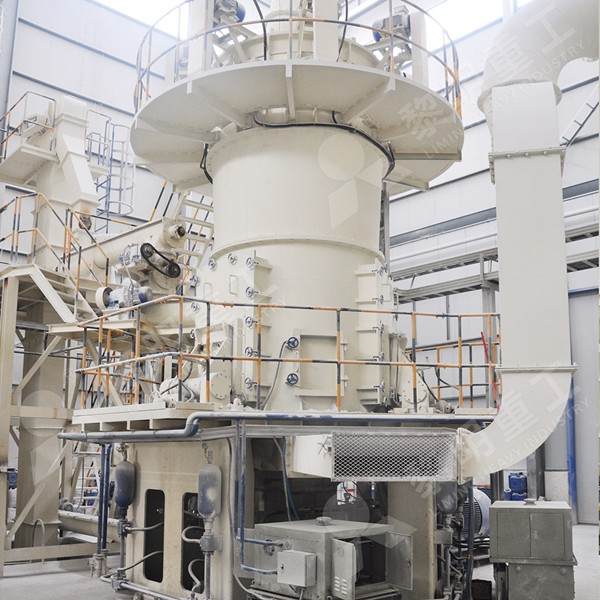
This is where the pedigree of the manufacturer becomes paramount. Liming Heavy Industry, with its foundation in 1987 and evolution into a leader in crushing and grinding equipment, operates on a philosophy of integrated research, manufacturing, and sales. Our spare parts are not generic substitutes; they are engineered and produced on the same lines, with the same materials and tolerances, as the original components in our LM Vertical Roller Mills, MTW European Type Grinding Mills, and Raymond Mills. This ensures perfect dimensional compatibility and performance parity. Our modern manufacturing facilities in Zhengzhou's HI-TECH Industry Development Zone and Shangjie Industry Park, encompassing over 147,000 m², are equipped with precision machinery dedicated to both original equipment and spare part production, adhering to a stringent scientific management system.
The advantages of sourcing genuine OEM spare parts extend beyond simple fit. First, it guarantees the material science integrity. The alloy composition and heat treatment of a grinding roller for processing abrasive limestone are critical. Liming's commitment to "scientific research tackling key problems" means our R&D team continuously refines material specifications for enhanced wear resistance and durability. Second, it preserves the mill's designed dynamics. Using non-genuine parts with slightly different weights or balances can introduce vibrations, stressing bearings and the gearbox, leading to premature secondary failures. Third, it maintains the warranty and support linkage. Our technical service team's deep product knowledge is fully applicable when the mill is maintained with authentic parts, allowing for accurate troubleshooting and performance optimization advice.
A comprehensive spare parts supply program is more than a catalogue; it is a service partnership. For critical users, we recommend developing a customized inventory plan based on operational hours, material abrasiveness, and desired maintenance intervals. This plan can include core wear part kits, seal kits, and bearing assemblies. Furthermore, our global logistics network, stemming from our overseas market presence, is structured to provide timely delivery, whether for planned shutdowns or emergency situations. The goal is to minimize equipment off-time by having the right part arrive at the right time.
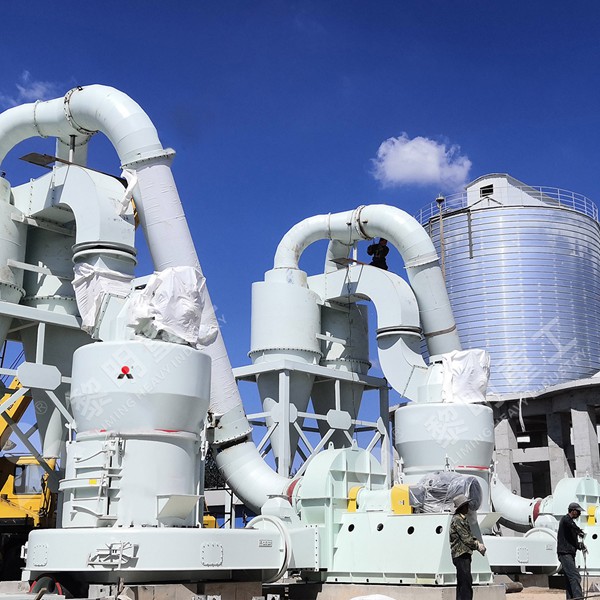
The working principle of the Raymond mill—where material is ground between the rotating rollers and the stationary ring and then classified by airflow—creates a closed, interdependent system. A failing seal in the grinding chamber can affect internal pressure and airflow, compromising the classifier's efficiency and product fineness. Therefore, a holistic view of the spare parts supply should encompass not just the major grinding elements but also ancillary components from the feeder, air blower, piping, to the dust collector system. Liming Heavy Industry's product ecosystem, which includes everything from jaw crushers for initial size reduction to pulse dust collectors, means we understand how each component interacts. Our spare parts support covers this entire grinding line system, ensuring harmony and efficiency across the entire production process.
In conclusion, securing a dependable spare parts supply for your limestone Raymond mill is a strategic investment in plant reliability and profitability. It transforms maintenance from a reactive cost center into a proactive pillar of operational excellence. By partnering with the original manufacturer, you gain access to precision-engineered components, expert technical guidance, and a supply chain designed to support continuous operation. In the demanding fields of non-metallic mineral processing, where consistency and uptime are paramount, this partnership is not just convenient—it is critical for maintaining a competitive edge.
Frequently Asked Questions (FAQ)
- What are the most critical wear parts in a limestone Raymond mill that I should always have in stock?
The highest-wear items are typically the grinding rollers and grinding rings. Having a pre-planned set for replacement is crucial. Additionally, consider keeping spare classifier blades and key seals based on your specific maintenance schedule. - How can I identify when my grinding rollers need replacement before they cause a breakdown?
Monitor for a gradual decline in mill output (tons per hour) at the same power setting, an increase in vibration, or a consistent inability to achieve the target product fineness despite adjustments. Regular visual inspection during scheduled stops is also recommended. - Does using genuine OEM parts affect the energy efficiency of my mill?
Yes, positively. Genuine parts are manufactured to original specifications, ensuring optimal grinding geometry and system balance. This reduces wasted energy from friction and vibration, helping maintain the mill's designed efficiency. - Can you provide support for developing a preventive maintenance schedule with spare parts integration?
Absolutely. Our technical service team can analyze your operational data, material characteristics, and production goals to help you build a customized preventive maintenance plan with a corresponding spare parts inventory list. - What is the typical lead time for emergency spare parts orders?
Lead times vary based on the specific part and destination. However, for common critical wear parts, we maintain strategic stock levels to expedite emergency shipments. Contacting our dedicated parts service team will provide the most accurate and swift response.


