Published: October 26, 2023
Operating a Raymond mill for limestone grinding is a cornerstone process in many industries, from construction materials to power plant desulfurization. As a leading manufacturer with over three decades of experience in crushing and grinding equipment, LIMING HEAVY INDUSTRY understands that maintaining peak performance is critical for productivity. This comprehensive guide provides systematic troubleshooting steps for common issues encountered with Raymond mills processing limestone, helping operators minimize downtime and ensure consistent output quality within the typical fineness range of 44μm to 613μm.
Raymond mills, like those engineered by LIMING HEAVY INDUSTRY, are robust machines designed for processing non-flammable, non-explosive materials like limestone with Mohs hardness under 7 and humidity below 6%. However, even the most reliable equipment can experience operational hiccups. The key to effective troubleshooting lies in a methodical approach: identify the symptom, understand the system—from the jaw crusher and vibrating feeder to the grinding ring, rollers, separator, and dust collector—and then diagnose the root cause.
One frequent concern is a gradual or sudden drop in mill output capacity. When production rates fall, the first checkpoint is the feed system. Ensure the vibrating feeder is not clogged and is delivering a consistent, appropriate volume of crushed limestone (typically 15-25mm input size). Next, inspect the grinding components. Worn grinding rollers and rings are primary culprits. After prolonged operation, these parts lose their profile, reducing grinding efficiency. Regular inspection and scheduled replacement, using genuine LIMING parts designed for precise tolerances, are essential. Another potential cause is improper airflow. The closed-circuit airflow system, powered by the air blower, carries ground powder to the separator. A leaking pipe or a clogged filter bag in the pulse dust collector can disrupt this flow, causing material to recirculate unnecessarily instead of being ejected as finished product.
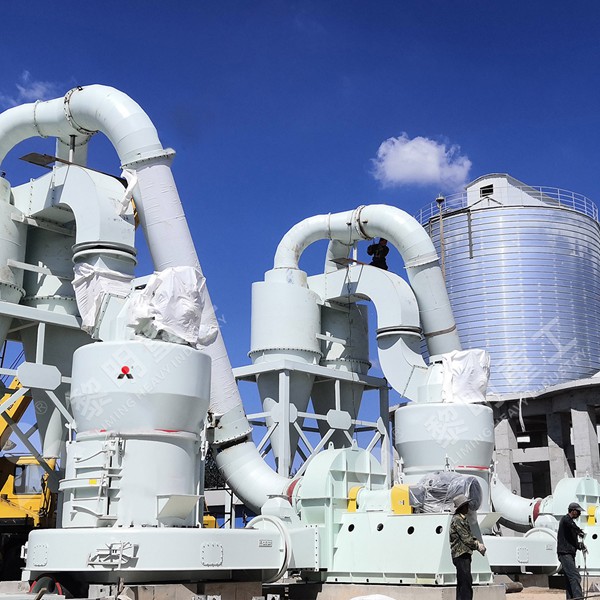
Excessive vibration and unusual noise during operation demand immediate attention. This often points to mechanical issues within the grinding chamber. Check for loose anchor bolts securing the main frame. Imbalance or severe wear in the grinding roller assembly can also cause violent shaking. Ensure that the roller journals are properly lubricated and that the rollers rotate freely. A lack of material feed (running the mill "empty") or the accidental introduction of foreign metal pieces from upstream processes can also create catastrophic noise and damage. Always verify that the magnetic separator in the feeding system is functional to trap tramp iron.
Poor product fineness, where the limestone powder is coarser than specified, is often linked to classifier (separator) performance. The separator's speed directly controls the cut point; a slower speed allows larger particles to pass. Verify the classifier's motor and variable frequency drive settings. Additionally, worn classifier blades or a damaged inner cone will fail to create the proper centrifugal force for accurate sizing. Also, consider the condition of the grinding elements. Worn rollers cannot pulverize material to the desired fineness, allowing coarse particles to escape. It's a synergistic system where issues in one area affect another.
High energy consumption per ton of product is a significant operational cost. Beyond mechanical drag from poor lubrication or misaligned components, the most common grinding-related cause is attempting to achieve an excessively fine product from a single pass. For superfine limestone powder requirements (e.g., below 44μm), a secondary milling system like LIMING's MW Micro Powder Mill might be more efficient. For the Raymond mill, operating at its designed optimal fineness ensures energy efficiency. Also, grinding with overly moist limestone (above 6% humidity) consumes extra energy for in-mill drying and can lead to clogging. Pre-drying the feed material may be necessary in humid conditions.
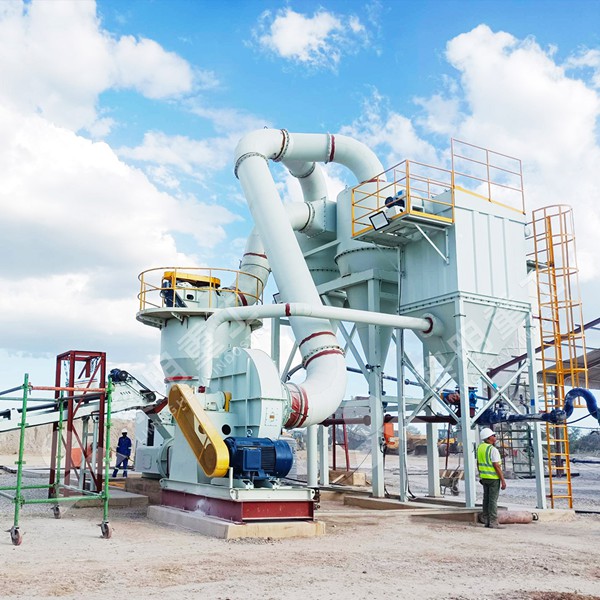
Positive pressure and powder leakage at the mill casing or pipe joints are serious environmental and safety hazards. This usually indicates a blockage or malfunction in the air circuit. The pulse dust collector's filter bags may be blinded or torn, increasing system resistance. Check the differential pressure gauge across the collector. A malfunctioning air blower or leaks in the air recycling pipes can also disrupt the delicate pressure balance, turning the closed system into a positive-pressure one. Ensure the dust collector's ash discharge system is working to prevent material buildup.
Preventive maintenance is the most powerful troubleshooting tool. Adhering to a strict lubrication schedule for all bearings, regularly checking wear parts, monitoring motor amperage (a key indicator of grinding load), and keeping logs of output, fineness, and energy use will help predict failures before they occur. LIMING HEAVY INDUSTRY designs its Raymond mills and related equipment, such as the advanced MTW European Type Grinding Mill, with serviceability in mind, supporting our clients in achieving sustainable, high-productivity operations.
Frequently Asked Questions (FAQs)
Q1: What is the maximum feed size for limestone in a standard LIMING Raymond Mill?
A1: The optimal feed size is generally between 15mm and 25mm. Larger lumps can overload the grinding rollers and reduce system efficiency. Ensure your primary crushing stage (e.g., jaw crusher) is correctly configured to deliver this size range consistently.
Q2: Why is the finished limestone powder becoming coarser even though the separator speed is unchanged?
A2: This is most likely due to wear on the grinding rollers and ring. As their surfaces wear down, the grinding efficiency decreases, allowing larger particles to pass through. Inspect and measure these components for wear and replace them as needed.
Q3: Can a Raymond Mill handle limestone with moisture content above 6%?
A3: Operating outside the recommended specification (under 6% humidity) is not advised. Higher moisture can cause material adhesion, clogging in the grinding chamber and pipes, and reduced output. Consider adding a pre-drying stage for your raw limestone if moisture is consistently high.
Q4: What causes the bag filter dust collector to have high differential pressure?
A4: High differential pressure typically indicates that the filter bags are becoming clogged with fine powder. This can be due to insufficient or failed pulse-jet cleaning, condensation inside the collector causing material to cake, or simply that the bags have reached the end of their service life and need replacement.
Q5: How often should the grinding rollers and ring be replaced?
A5: There is no fixed timeline; it depends on the abrasiveness of the limestone, operating hours, and desired fineness. Monitor mill output and power consumption closely. A steady decline in output or an increase in energy use for the same product fineness is a clear indicator that these critical wear parts need inspection and likely replacement.


