Published: October 26, 2023
This comprehensive manual provides essential maintenance guidelines for Raymond Mills, specifically optimized for limestone grinding operations. Drawing from decades of engineering expertise at Liming Heavy Industry, this guide covers routine checks, preventive maintenance schedules, and troubleshooting procedures to ensure optimal performance, extended equipment lifespan, and consistent production of high-quality limestone powder. Proper maintenance is critical for maximizing the efficiency of your grinding circuit, minimizing unplanned downtime, and protecting your investment in this versatile and widely-used milling technology.
As a cornerstone of modern mineral processing, the Raymond Mill has proven its reliability in limestone applications for decades. At Liming Heavy Industry, our commitment to precision manufacturing and continuous innovation since 1987 ensures that our Raymond Mills are built to withstand the demanding conditions of continuous limestone grinding. The abrasive nature of limestone necessitates a disciplined maintenance approach to preserve grinding efficiency and fineness control.
Understanding Your Raymond Mill System
The Raymond Mill system for limestone grinding is a sophisticated assembly. The core grinding unit, where limestone is pulverized between the grinding rollers and ring, is supported by auxiliary systems including a feeder, classifier, cyclone collector, piping, and dust collector. For limestone, typically with a Mohs hardness of 3, the system is designed to handle feed sizes up to 25mm and produce fineness ranging from 44 to 613 microns. Understanding the interaction between these components is the first step toward effective maintenance.
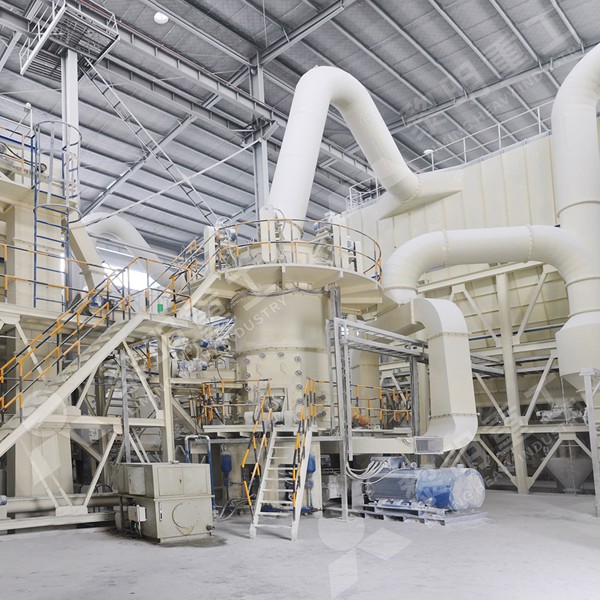
Daily & Operational Maintenance Checks
Consistent daily checks are the frontline of preventive maintenance. Before startup, visually inspect all access doors and inspection ports to ensure they are securely closed. Check the oil level in the gear reducer and main bearing lubrication points; use only the recommended high-temperature, extreme-pressure grease. Listen for unusual noises during the warm-up phase. Monitor the amperage of the main motor—a steady increase in current often indicates abnormal wear on grinding components or a feed rate that is too high. Regularly check the tension of the drive belts and adjust if necessary to prevent slippage and power loss.
During operation, pay close attention to the grinding sound. A consistent, smooth hum indicates proper operation, while metallic scraping or knocking suggests possible contact between the roller and ring due to insufficient material feed or excessive wear. The feed rate of limestone must be steady and controlled; erratic feeding causes vibration and accelerates wear. Monitor the output fineness and production rate. A sudden drop in output or a change in fineness without adjustment to the classifier is a key diagnostic indicator of internal wear or blockage.
Scheduled Preventive Maintenance
A proactive maintenance schedule is non-negotiable for cost-effective limestone grinding. We recommend the following framework:
- Weekly: Thoroughly clean the pneumatic system filters. Inspect the wear condition of the grinding roller and grinding ring. Check all electrical connections for tightness.
- Monthly: Measure the remaining thickness of the grinding roller and ring. Inspect and clean the classifier blades and rotating assembly for powder buildup. Examine the inner lining of the cyclone and ducts for wear or erosion.
- Quarterly (or every 500-800 operating hours): Replace the lubricating oil in the gear reducer. Check the alignment of the main shaft. Inspect the wear on shovel blades in the base that scoop material into the grinding zone. Test the operation of all safety switches and interlocks.
- Annually: Perform a comprehensive shutdown inspection. This includes replacing worn grinding rolls and rings, checking the condition of the main bearing, recalibrating instruments, and inspecting the structural integrity of the mill base and housing.
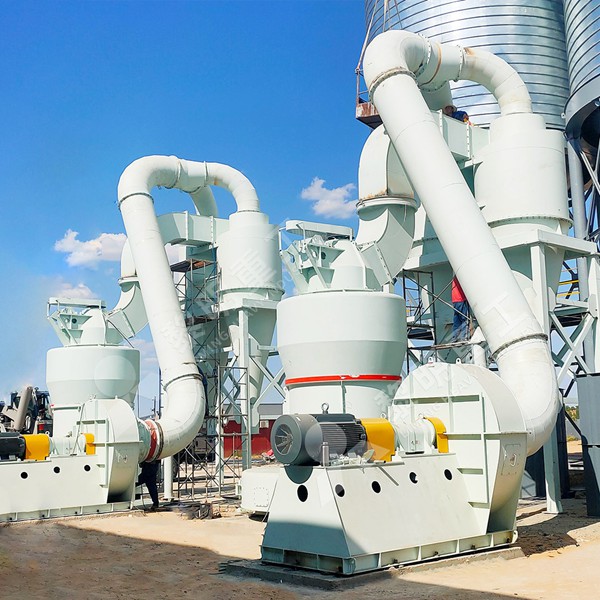
Key Component Wear Management for Limestone
Limestone, while not the hardest material, is highly abrasive. The grinding roller and grinding ring are the primary wear parts. Their surfaces develop a specific wear profile over time. It is crucial to monitor this wear evenly. Uneven wear leads to vibration, reduced grinding efficiency, and poor particle size distribution. Rotate or replace these components as a set to maintain balance. The classifier blades and shaft are also susceptible to abrasion from the fine limestone powder; worn blades will impair the separation efficiency, allowing coarse particles into the final product. Always use genuine Liming Heavy Industry wear parts designed for the specific material and operating conditions of your mill to ensure geometry, metallurgy, and performance are perfectly matched.
Troubleshooting Common Issues in Limestone Grinding
Low Output or Reduced Capacity: Often caused by worn grinding rollers/rings, a blocked air inlet/outlet, leaking air seal, or a malfunctioning feeder. Check wear parts first, then inspect for system leaks and ensure the fan damper is correctly adjusted.
Excessive Vibration: Usually stems from uneven feed, severe uneven wear of grinding parts, broken roller hangers, or loose foundation bolts. Stop the mill immediately to investigate the root cause.
Product Fineness Too Coarse: Check the classifier speed and blade wear. Ensure the fan air volume is not excessively high, which pulls coarse particles through. Also, verify the condition of the grinding components, as worn parts cannot effectively pulverize the limestone.
Abnormal Noise from Grinding Chamber: Metallic sounds typically indicate direct metal-to-metal contact due to low feed or a foreign object (like a tramp metal from the limestone source). Immediately check the feed system and inspect the chamber.
Overheating of Bearings or Reducer: Check lubrication levels and oil quality. Ensure cooling systems are functional. Overloading the mill or improper alignment can also cause excessive heat generation.
Lubrication and System Cleanliness
The lifeblood of any Raymond Mill is its lubrication system. For limestone operations, where ambient dust is inevitable, protecting bearings and gears is paramount. Adhere strictly to the lubrication chart for type and interval. Grease points on the roller shafts must be purged regularly to prevent abrasive limestone dust from contaminating the bearing housing. Maintain a strict housekeeping regimen around the mill. Accumulated limestone powder can ingress into moving parts, absorb moisture, and cause corrosion or blockages. The pulse-jet dust collector must be maintained per its own manual to ensure the entire grinding system remains under optimal negative pressure.
Safety First
All maintenance must be conducted with the mill completely shut down, electrical sources locked out and tagged out (LOTO), and all moving parts have come to a complete stop. Allow the system to cool before entering any compartment. Wear appropriate personal protective equipment (PPE), including respirators, when inspecting or handling accumulated limestone dust. Never attempt adjustments or inspections while the machinery is in operation.
By implementing this structured maintenance philosophy, you align with the engineering principles embedded in every Liming Heavy Industry Raymond Mill: durability, efficiency, and reliability. A well-maintained mill is not just a piece of production equipment; it is a consistent and profitable asset for your limestone processing business.
Frequently Asked Questions (FAQ)
Q1: How often should I replace the grinding rollers and ring for a mill processing medium-hard limestone?
A: The lifespan depends on abrasiveness, operating hours, and desired fineness. Under normal conditions with proper feed, expect to inspect for replacement every 800-1500 hours. Monitor output and fineness trends closely for signs of wear.
Q2: What is the most critical daily check to prevent major damage?
A: Ensuring adequate and consistent limestone feed into the grinding chamber is paramount. Running the mill "starved" (with insufficient material) causes direct metal contact between rollers and ring, leading to rapid wear, sparks, and potential damage.
Q3: Can I use water to control dust or temperature inside the grinding chamber?
A: Absolutely not. Introducing water into a dry grinding system designed for materials under 6% humidity will cause material buildup, clogging, and severe corrosion. Temperature is managed through air flow and material feed rate.
Q4: Why is the amperage of the main motor a key indicator?
A: The motor load directly reflects the grinding effort. A stable amperage indicates stable operation. A steadily climbing amperage suggests increasing resistance, often from component wear or a blockage. A sudden spike may indicate a mechanical seizure or severe overload.
Q5: The finished powder seems coarser, but the classifier speed is unchanged. What should I check?
A: First, inspect the classifier blades for wear or buildup, which reduces their separation efficiency. Second, check for air leaks in the system, which reduce air velocity and carrying capacity. Finally, verify the wear state of the grinding rollers and ring, as they may no longer be reducing particle size effectively.


