Published on: October 26, 2023
This article provides a comprehensive daily operation guide for limestone grinding mills, focusing on the range of equipment manufactured by Liming Heavy Industry Co., Ltd. It outlines systematic startup, running, and shutdown procedures, along with essential safety, maintenance, and troubleshooting practices. By adhering to these standardized protocols, operators can ensure optimal performance, maximize equipment lifespan, achieve consistent product fineness, and maintain a safe working environment. The guide synthesizes operational principles from our LM Vertical Roller Mill, Raymond Mill, MTW European Type Grinding Mill, MW Micro Powder Mill, and Ball Mill, offering a holistic approach to efficient limestone processing.
Successful daily operation begins with a thorough pre-startup inspection. For all mill types, this includes checking the lubrication system to ensure oil levels are adequate and grease points are serviced. Inspect all fasteners, belts, and transmission components for tightness and wear. Verify that the grinding chamber is clear of any foreign material or residual buildup from the previous run. For systems like the MTW European Type Trapezium Mill, which includes auxiliary equipment like jaw crushers, vibrating feeders, and dust collectors, each component in the line must be checked. Ensure the pulse dust collector's bags are intact and the air blower's intake is unobstructed. Confirm that all safety guards are securely in place and that emergency stop buttons are functional.
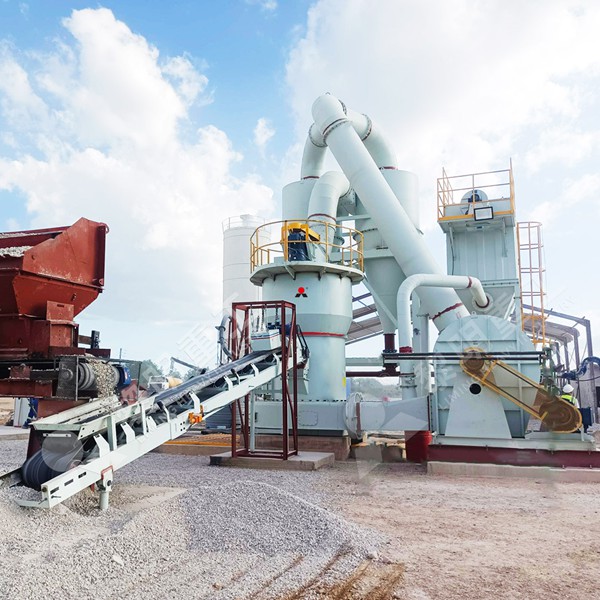
The startup sequence must be followed meticulously to prevent equipment damage. Always start the downstream equipment first and proceed upstream. Typically, the sequence is: 1) Start the dust collection system (pulse precipitator or bag filter). 2) Activate the air blower or exhaust fan for systems like the Raymond Mill or LM Vertical Mill that rely on airflow. 3) Start the main grinding mill motor. 4) Engage the feeding system (e.g., vibrating feeder or belt feeder). Begin feeding material only after the main mill reaches stable operating speed. For limestone, initial feed should be at a reduced rate, gradually increasing to the specified capacity (which varies from 0.5 T/H for MW Micro Powder Mill to 400 T/H for large LM Vertical Mills) as the system stabilizes. Monitor the amperage of the main motor closely; it should remain within the designated operating range.
During running operation, constant monitoring is key. Pay close attention to the sound of the grinding chamber; a consistent hum indicates normal operation, while metallic scraping or irregular noise may signal issues like insufficient feed or liner wear. Regularly check the temperature of grinding roller bearings, main shaft bearings, and reducer. Abnormal temperature rise requires immediate investigation. For mills like the Ball Mill, monitor the sound of the steel balls impacting the material; a hollow sound often means the feed is interrupted. Control the feed size rigorously according to the mill's specification (e.g., ≤25mm for Ball Mill, 30-55mm for LM Vertical Mill) to prevent blockages and ensure grinding efficiency. Continuously observe the final product fineness. Adjust the classifier speed (in Raymond or MTW mills) or separator frequency (in LM Vertical Mill) to maintain the desired output, whether it's coarse for construction (44μm) or superfine for industrial fillers (d97 ≤ 5μm with the MW Micro Powder Mill).
The proper shutdown procedure is the reverse of startup. First, stop the feeding system and allow the mill to continue running to grind and clear the remaining material in the chamber. This "empty run" time varies but is crucial to prevent material hardening upon cooling, especially in vertical roller mills. After the system pressure and motor current drop to a low, stable level, stop the main grinding mill. Subsequently, stop the air blower and finally, the dust collection system after a delay to ensure all airborne particles are captured. Conduct a post-operation inspection, looking for any leaks, unusual vibrations, or wear signs that may have developed during the shift.
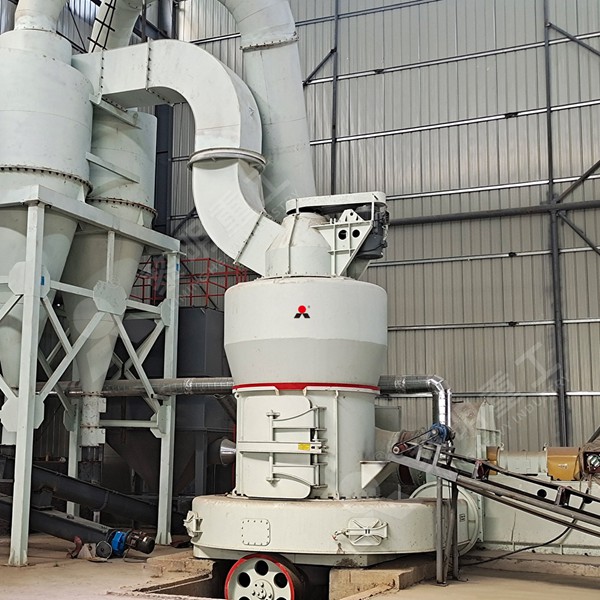
Daily maintenance tasks are integral to the operation procedure. These include recording all operational parameters (temperatures, pressures, currents, output tonnage) in a log sheet. Visually inspect the entire system for dust leaks at pipe connections and collector seals. Drain any moisture from air compressors supplying the pulse dust collectors. For equipment like the Ball Mill, check the condition of the liner and steel ball charge periodically as per the maintenance schedule. Adherence to the lubrication schedule prescribed for each machine's gearbox, bearings, and moving parts is non-negotiable. Always use the recommended grade of lubricant. Safety must be paramount: never perform maintenance on running equipment, lock out/tag out all power sources before any internal inspection, and always wear appropriate Personal Protective Equipment (PPE).
Understanding the working principle of your specific Liming mill aids in effective operation. For instance, in the LM Vertical Roller Mill, material is ground between the rollers and the rotating table, with hot air simultaneously drying it. Adjusting the grinding pressure and airflow is critical for limestone moisture control. In the MTW European Type Trapezium Mill, material is ground between ring and rollers and conveyed by airflow; ensuring the separator's smooth operation is vital for fineness control. The Ball Mill relies on the cascading action of steel balls; maintaining the correct ball charge and size distribution is essential for grinding efficiency. Familiarity with these principles allows operators to make informed adjustments rather than merely following steps.
Common operational challenges include unstable product fineness, reduced output, or abnormal vibration. For fineness issues, first check the classifier/separator settings and wear on grinding elements. For reduced output, verify the feed rate, feed size, and check for blockages in the system. Abnormal vibration often points to imbalanced rollers, worn bearings, or uneven feeding. Having a systematic troubleshooting approach and referring to the specific equipment manual from Liming Heavy Industry will facilitate quick resolution and minimize downtime.
Frequently Asked Questions (FAQs)
- What is the most critical parameter to monitor during the operation of a limestone grinding mill?
The amperage/current draw of the main motor is arguably the most critical. It directly reflects the load in the grinding chamber. A stable current within the rated range indicates optimal feeding and grinding. A sudden spike can signal a blockage or over-feeding, while a low reading often means under-feeding, leading to metal-to-metal contact and wear. - How often should the grinding elements (rollers, rings, balls) be inspected or replaced?
Inspection frequency depends on the abrasiveness of the limestone and operational hours. A visual check for significant wear should be part of weekly maintenance during internal cleanouts. Replacement is based on measured wear limits and a decline in grinding efficiency or product quality, as specified in the equipment's maintenance manual. Regular sampling and output analysis help predict wear life. - Can the same grinding mill process limestone with different moisture contents?
It depends on the mill type. Our LM Vertical Roller Mill integrates a drying function with hot air, making it suitable for materials with higher moisture. Raymond Mills and MTW European Mills can handle materials with less than 6% humidity. For limestone with higher inherent moisture, pre-drying or selecting a mill with hot air supply is necessary to prevent clogging and ensure efficient grinding. - Why is the startup and shutdown sequence so important?
The prescribed sequence protects the equipment. Starting the dust collector first prevents dust from escaping into the workshop. Starting downstream equipment first ensures material has a place to go when feeding begins. The reverse shutdown allows the system to clear itself of material, preventing hard setting and making the next startup smoother and safer for the motor and grinding mechanics. - What are the key differences in operation between a Ball Mill and a Vertical Roller Mill for limestone?
Operation of a Ball Mill focuses more on monitoring the charge level, sound of impact, and maintaining proper ball size distribution. It generally has higher energy consumption for fine grinding. Operating a Vertical Roller Mill (like our LM series) involves precise control of grinding pressure, roller positioning, airflow rate, and classifier speed to balance throughput, fineness, and drying efficiency. It is typically more energy-efficient for medium to fine grinding.


