Published on: October 26, 2023
High moisture coal grinding presents unique challenges in industries such as power generation, cement production, and metallurgy, where efficient drying and pulverization are critical. LIMING Heavy Industry Co., Ltd., established in 1987, has been a pioneer in developing advanced grinding equipment tailored for high moisture materials like coal, slag, and non-metallic minerals. Our product portfolio includes LM Vertical Roller Mill, Raymond Mill, MTW European Type Trapezium Mill, MW Micro Powder Mill, and Ball Mill, each designed to handle specific moisture levels, feed sizes, and capacity requirements. The LM Vertical Roller Mill, incorporating drying, grinding, powder selection, and conveying into a single system, excels in handling high moisture coal with capacities up to 400 T/H. Our scientific research team leverages over 30 years of experience, modern manufacturing facilities covering 147,000 m², and patented technologies to deliver reliable, energy-efficient solutions. This article explores the key equipment, their working principles, and applications, providing a comprehensive guide for selecting the right high moisture coal grinding equipment.
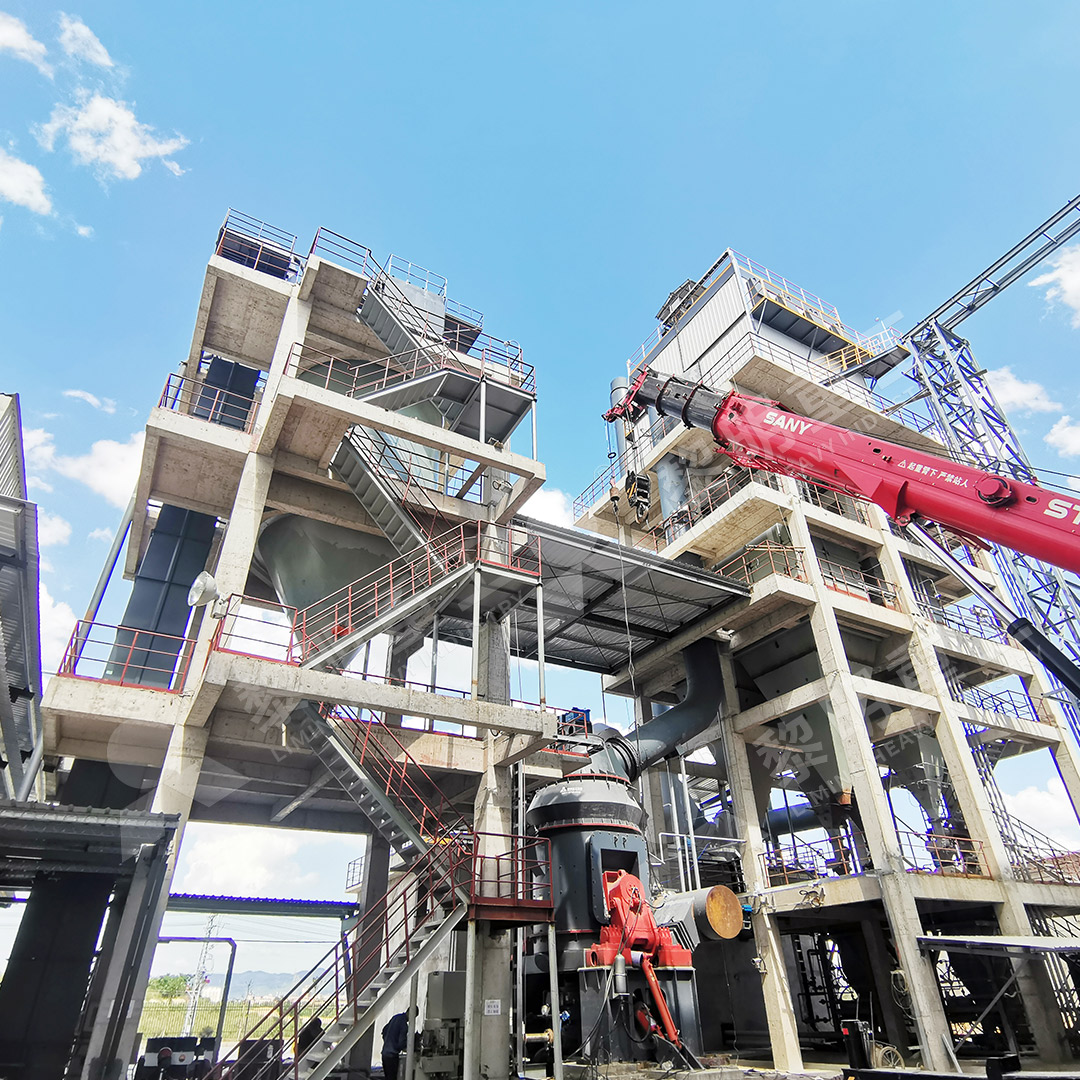
Equipment Solutions for High Moisture Coal Grinding
When dealing with high moisture coal, the primary challenge is achieving effective drying and size reduction simultaneously. LIMING Heavy Industry's LM Vertical Roller Mill is the cornerstone solution for such applications. It integrates drying, grinding, and classification in one unit, handling feed moisture up to 20% and reducing it to less than 1% in the final product. The mill features a new milling device with automatic electric control, allowing real-time adjustment of parameters like separator speed and roller pressure to optimize performance. For capacities ranging from 10 to 400 T/H and input sizes of 30-55 mm, this mill is ideal for coal preparation in power plants and cement industries. The system uses hot air from a heat source to dry the coal while grinding, ensuring efficient energy use.
The MTW European Type Trapezium Mill, another robust option, offers a capacity of 3-55 T/H with input sizes of 30-50 mm. It is an upgrade of traditional Raymond and pendulum mills, featuring patented technology for stable performance and high productivity. In high moisture coal applications, the MTW mill incorporates a pulse dust collector for environmental compliance and a closed-loop air system that recycles air, minimizing heat loss. The grinding process involves material being ground between rings and rollers, with coarse particles recycled and fine powder collected as product. This mill is particularly suited for limestone desulfurization and coal grinding in power plants.
For smaller-scale operations or where fine grinding is needed, the Raymond Mill handles capacities of 1.2-4.5 T/H and input sizes of 15-25 mm, suitable for materials with less than 6% humidity. While not ideal for extremely high moisture, it can process pre-dried coal. Similarly, the MW Micro Powder Mill, with a capacity of 0.5-25 T/H and input sizes of 10-20 mm, is designed for superfine powder (325-3250 mesh), using medium-speed grinding for high moisture materials following initial drying. The Ball Mill, with capacities up to 50 T/H and input sizes ≤25 mm, remains a versatile choice for coal grinding in beneficiation and chemical industries, though it often requires a separate drying system for high moisture content.
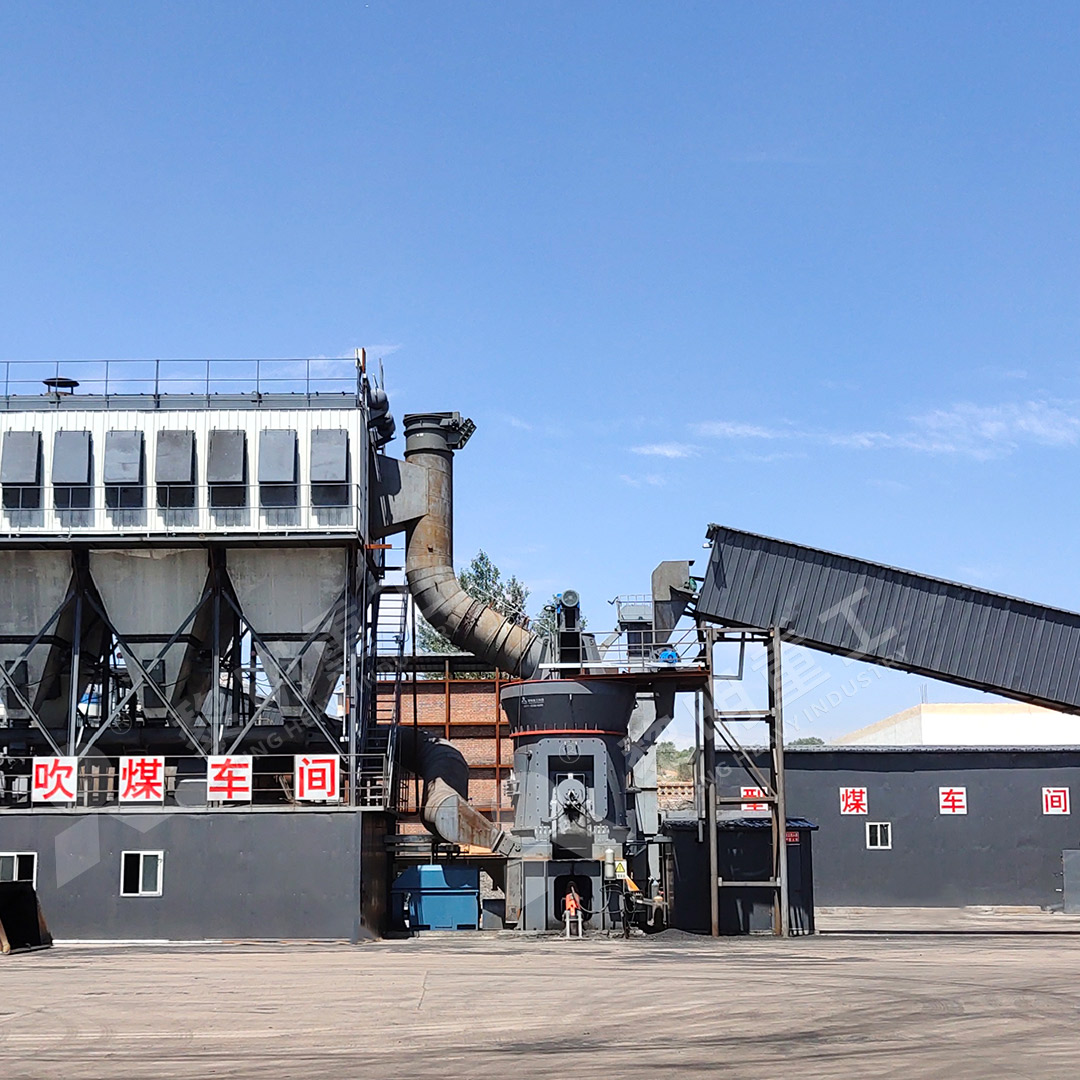
Working Principles and Integration
The working principle of high moisture coal grinding equipment varies by design but shares common elements. In the LM Vertical Roller Mill, material is fed through a chute onto the grinding table, where rollers exert pressure to crush and grind the coal. Hot air entering from below lifts the ground material to the separator, where fine particles pass through and coarse ones return for regrinding. The moisture is evaporated in the hot air stream, achieving simultaneous drying and grinding. This integrated process reduces energy consumption and simplifies system design. For MTW mills, the system includes a jaw crusher for primary reduction, followed by grinding between rings and rollers, with air flow conveying material to the separator. The pulse dust collector ensures clean exhaust, meeting environmental standards.
LIMING's commitment to scientific research and innovation is evident in the automatic control systems of these mills. For example, the LM mill uses a variable-frequency belt feeder to adjust feed rate based on mill load, and the separator speed is tuned to maintain product fineness. Our R&D team, operating from the 80,000 m² headquarters in Zhengzhou and the 67,000 m² workshop in Shangjie, continuously improves equipment to handle varying moisture levels and coal types. The European-style trapezium mill incorporates a multi-head classifier for sharper particle size distribution, reducing over-grinding and energy waste. In all cases, the closed-circuit design ensures recycling of air and heat, making operations more sustainable.
Applications and Benefits
High moisture coal grinding equipment from LIMING is widely used in power plant desulfurization, pulverized coal preparation for steel and cement industries, and processing of non-metallic minerals like gypsum and calcium carbonate. The LM vertical mill, for instance, has been deployed in coal-fired power plants to produce fine coal powder for burners, achieving higher combustion efficiency and lower emissions. In the cement industry, coal grinding with moisture content up to 15% is common, and the integrated drying capability of the LM mill reduces the need for separate dryers, cutting capital and operating costs. The MTW mill excels in producing limestone powder for desulfurization, where moisture control is critical for reactivity.
The benefits of using LIMING equipment include reduced energy consumption due to single-unit operation, lower maintenance through durable roller and ring design, and consistent product quality thanks to automated controls. The company's ISO-certified manufacturing and over 30 years of experience ensure reliability, with products shipped to oversea markets for coal processing applications. By implementing scientific research and modern management, LIMING has become a leader in machinery manufacturing, committed to improving technological innovation and customer satisfaction.
Frequently Asked Questions (FAQ)
1. What is the maximum moisture content that LIMING's LM Vertical Roller Mill can handle for coal grinding?
The LM Vertical Roller Mill is designed to handle coal with moisture content up to 20% in the feed, reducing it to less than 1% in the final product, depending on the hot air temperature and flow settings.
2. Can the MTW European Type Trapezium Mill be used for grinding high moisture coal without a pre-dryer?
Yes, the MTW mill can process high moisture coal with feed moisture up to 10-15% using the integrated drying effect from hot air passing through the grinding chamber, but for higher moisture, a pre-drying step or a more specialized mill like the LM vertical mill is recommended.
3. What is the typical product fineness range for Raymond Mill when grinding coal?
The Raymond Mill produces coal powder with fineness between 613 μm and 44 μm (25-325 mesh), suitable for most coal-fired boiler applications, but it requires feed moisture below 6% for optimal performance.
4. How does LIMING ensure environmental compliance in high moisture coal grinding?
Our mills, such as MTW and LM vertical mills, are equipped with pulse dust collectors and closed-loop air systems that recycle air, reducing dust emissions and complying with national environmental protection standards.
5. What maintenance is required for the grinding rollers in LIMING's coal grinding equipment?
Periodic inspection and replacement of wear parts like rollers and rings are necessary based on operating hours and material abrasiveness. LIMING provides easy-access designs and automatic lubrication systems to extend service intervals and reduce downtime.


