Published on: October 26, 2023
In the competitive world of cosmetic manufacturing, the quality of filler materials—such as ground marble powder—directly influences the feel, texture, and safety of the final product. A marble grinding mill for cosmetic filler is not merely a piece of equipment; it is the cornerstone of a production line that demands ultra-fine particle size, consistent purity, and high throughput. Liming Heavy Industry, a leader in crushing and grinding machinery since 1987, offers a range of specialized mills that transform raw marble into premium cosmetic fillers. This article explores the technical specifications, working principles, and industrial applications of these mills, focusing on how they meet the stringent requirements of the cosmetics industry, including particle size distribution down to D97 ≤ 5µm and compliance with environmental standards.
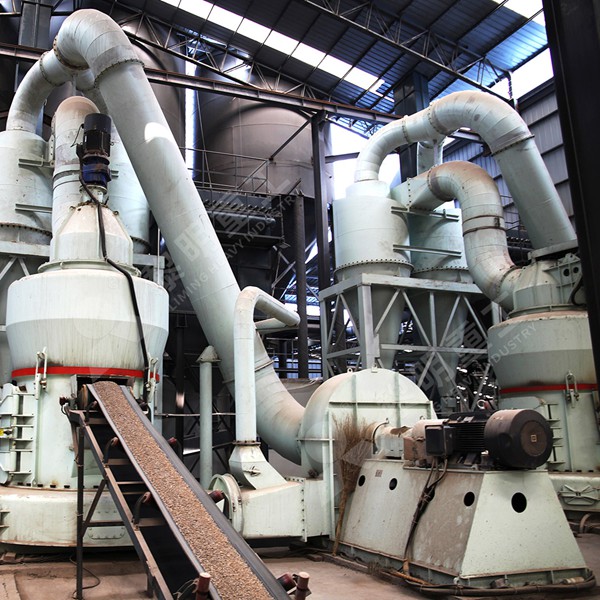
Understanding the Role of Marble in Cosmetics
Marble, a metamorphic rock composed primarily of calcium carbonate, is widely used as a filler in cosmetics, including foundations, face powders, and creams. Its natural whiteness, low abrasiveness, and chemical inertness make it ideal for providing bulk, improving texture, and enhancing the spreadability of formulations. However, achieving the required fineness—typically between 325 mesh (44 µm) and 3250 mesh (5 µm)—requires specialized grinding equipment that can handle the hardness of marble while maintaining purity. Contamination from wear parts or improper processing can compromise the cosmetic product, making the choice of grinding mill critical.
Liming Heavy Industry: A Legacy of Precision Engineering
Founded in 1987, Liming Heavy Industry Co., Ltd. has grown into a modern joint-stock corporation integrating research, manufacturing, and sales. With a headquarter covering 80,000 m² in the HI-TECH Industry Development Zone of Zhengzhou and an additional workshop spanning 67,000 m² in Shangjie Industry Park, the company is equipped to produce large and medium-sized grinding equipment. Over 30 years, Liming has adhered to modern scientific management systems, precision manufacturing, and continuous innovation, establishing itself as a leader in both domestic and overseas machinery markets. The company’s strategy emphasizes scientific research and technological advancement, focusing on improving product competitiveness through research, learning, and innovation. This philosophy drives the development of mills that excel in the cosmetic filler sector.
Top Marble Grinding Mills for Cosmetic Fillers
Liming Heavy Industry offers several mill types suitable for marble grinding, each with unique advantages for cosmetic filler production. Below, we detail the most relevant models based on capacity, fineness, and application requirements.
1. MTW European Type Trapezium Mill
The MTW European Type Trapezium Mill represents an upgrade over traditional Raymond and Pendulum Mills. It integrates patented technology for stable performance and high productivity, making it ideal for large-scale non-metallic mineral powder making, including marble for cosmetics.
- Capacity: 3-55 TPH
- Input Size: 30-50 mm
- Applications: Heavy calcium carbonate (marble) processing, non-metallic mineral powder making, solid fuel grinding.
- Fineness Range: Adjustable to meet cosmetic filler standards, typically 80-400 mesh.
Working Principle: The system includes a grinding mill, separator, air blower, jaw crusher, vibrating feeder, hopper, dust collector, and electric cabinet. Big lump marble is first crushed to required size by the jaw crusher. Then, a variable-frequency belt feeder evenly and continuously feeds the material into the mill. Grinding occurs between the ring and rollers. Particles move upward with airflow; those that cannot pass the separator fall back for regrinding, while fine particles are collected as finished product. The air is recycled in a closed system, and a pulse dust collector ensures compliance with environmental standards.
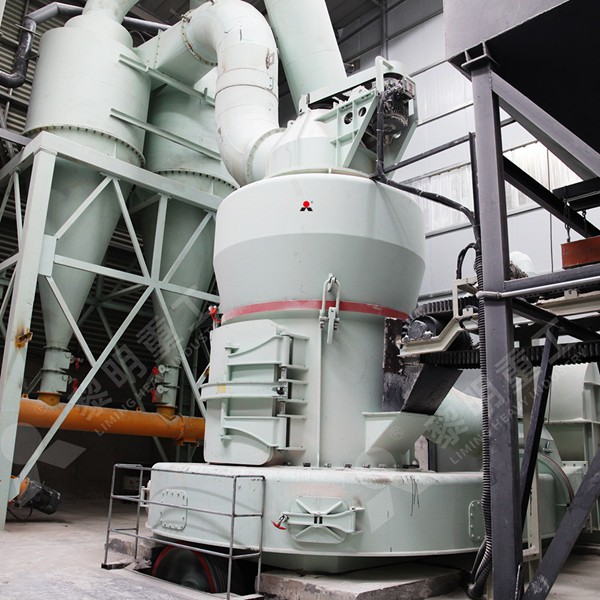
2. MW Micro Powder Mill
For cosmetic fillers requiring ultra-fine powder, the MW Micro Powder Mill is the preferred choice. It incorporates advanced Swedish grinding technology and is designed for superfine processing, achieving a fineness of up to D97 ≤ 5 µm (3250 mesh). This makes it perfect for high-end cosmetic applications where smoothness and transparency are paramount.
- Capacity: 0.5-25 T/H
- Input Size: 10-20 mm
- Fineness: Adjustable between 325 mesh (44 µm) and 3250 mesh (5 µm).
- Applications: Calcium carbonate (marble) crushing and grinding, non-metallic ore pulverizing.
Working Principle: The motor drives the main shaft and turnplate via a reducer. The reducer drives dozens of rollers to rotate against the raceway of the ring through pins. Small material, crushed by a hammer crusher, is transported into the hopper by an elevator. A vibrating feeder feeds material to the central part of the upper turnplate evenly. Under centrifugal force, material falls to the circle and enters the raceway of the ring to be crushed into powder. The system is equipped with a pulse precipitator for green, environmentally friendly operation.
3. LM Vertical Roller Mill
For high-capacity marble grinding in cosmetic filler production, the LM Vertical Roller Mill offers integrated drying, grinding, powder selection, and conveying. Its new milling device and automatic electric control system ensure stable operation and high efficiency.
- Capacity: 10-400 T/H
- Input Size: 30-55 mm
- Applications: Non-metallic mineral ore, with a focus on non-metallic minerals, coal, and slag.
While primarily used for larger-scale operations, the LM mill can be configured for finer grinding, making it versatile for cosmetic filler bulk production.
Key Considerations for Cosmetic Filler Grinding
When selecting a marble grinding mill for cosmetic fillers, several factors are critical:
- Particle Size Distribution: Cosmetic fillers require a narrow particle size distribution to ensure smooth texture and consistent optical properties. The MW Micro Powder Mill excels in this area due to its advanced classification system.
- Contamination Control: Mills must use wear-resistant materials to prevent metal contamination. Liming’s mills are constructed with high-quality alloys, and the closed-loop systems minimize external debris.
- Environmental Compliance: The cosmetics industry demands sustainable practices. All Liming mills, especially the MTW and MW models, include pulse dust collectors and recycling systems to meet strict environmental regulations.
- Energy Efficiency: With capacities ranging from 0.5 to 400 T/H, mill selection must balance energy consumption with production demands. The LM Vertical Mill offers the highest energy efficiency for large volumes, while the MW mill is optimized for precise, low-volume superfine grinding.
Implementing a Marble Grinding Line
A complete marble grinding system for cosmetic fillers typically includes a jaw crusher for primary size reduction, a vibrating feeder, the mill itself, a classifier (separator), a dust collector, and a powder collector. The process begins with crushing raw marble to the specified input size (e.g., 10-20 mm for the MW mill or 30-50 mm for the MTW mill). The material is then fed uniformly into the mill. After grinding, the air classifier separates coarse particles for regrinding, ensuring that only particles below the set cut point enter the finished product. The pulse dust collector captures fine dust, maintaining air quality and recovering valuable product. This closed-loop system minimizes waste and maximizes yield, crucial for cost-effective cosmetic production.
Conclusion
Choosing the right marble grinding mill for cosmetic filler is a strategic decision that impacts product quality, production efficiency, and regulatory compliance. Liming Heavy Industry’s MTW European Type Trapezium Mill, MW Micro Powder Mill, and LM Vertical Roller Mill offer tailored solutions across capacity and fineness ranges. Whether you need superfine powder at 3250 mesh or high-volume production at 400 mesh, Liming’s 30-year legacy of innovation and precision manufacturing ensures reliable, clean, and efficient operation. For cosmetic manufacturers aiming to produce premium fillers, investing in the right grinding technology is not just a capital expense—it is a commitment to excellence.
Frequently Asked Questions (FAQ)
1. What is the ideal fineness for marble powder used in cosmetic fillers?
The ideal fineness for cosmetic fillers typically ranges from 325 mesh (44 µm) to 3250 mesh (5 µm). For premium formulations demanding smooth texture and translucency, a D97 ≤ 5 µm target is recommended, achievable with the MW Micro Powder Mill.
2. How does Liming Heavy Industry ensure product purity during grinding?
Liming mills are constructed with wear-resistant materials. Additionally, the closed-loop system with pulse dust collectors minimizes external contamination. Regular maintenance of grinding parts and classifiers further ensures that the final product meets cosmetic-grade purity standards.
3. Can the same mill handle both marble and other cosmetic minerals like talc or gypsum?
Yes, many Liming mills are versatile. For example, the MTW European Type Trapezium Mill can process marble, gypsum, and other non-metallic minerals with Mohs hardness below 7 and humidity under 6%. However, switching between materials requires thorough cleaning to avoid cross-contamination.
4. What environmental features do these grinding mills offer?
All Liming mills are equipped with pulse dust collectors and closed-loop air recycling systems. This design significantly reduces dust emissions, complies with national environmental protection standards, and recovers fine powder that would otherwise be lost.
5. What is the typical power consumption for a marble grinding mill producing cosmetic filler?
Power consumption varies by mill type and capacity. For example, the MW Micro Powder Mill (0.5-25 T/H) is designed for low energy consumption per ton of superfine powder, while the LM Vertical Mill (10-400 T/H) offers the best energy efficiency for high-volume grinding. Exact figures depend on material hardness, feed size, and target fineness.


