Published on: October 26, 2023
Effective bearing maintenance is the cornerstone of ensuring the longevity, reliability, and optimal performance of your Kaolin processing Raymond Mill. This critical component, responsible for supporting the grinding roller assembly and facilitating smooth rotation, directly impacts operational efficiency, product fineness, and overall cost-effectiveness. Neglecting proper bearing care can lead to premature failure, unplanned downtime, and significant production losses. This guide, drawing from LIMING HEAVY INDUSTRY's decades of engineering expertise in manufacturing and refining grinding equipment like the Raymond Mill, provides a detailed, professional approach to bearing maintenance. We will cover essential practices from routine inspection and lubrication protocols to advanced troubleshooting techniques, all designed to maximize your mill's service life and maintain the consistent, high-quality powder output essential for applications in ceramics, paper, paint, and other industries reliant on processed Kaolin.
The Raymond Mill, a workhorse in non-metallic mineral processing, subjects its bearings to continuous stress from grinding forces, vibration, and thermal expansion. At LIMING HEAVY INDUSTRY, our Raymond Mills are engineered for durability, but their performance is inextricably linked to a disciplined maintenance regimen. The bearing system, typically comprising high-precision roller bearings, operates in a challenging environment with potential exposure to fine Kaolin dust. Therefore, the primary maintenance objectives are to ensure perfect lubrication, prevent contamination, and monitor for early signs of wear.
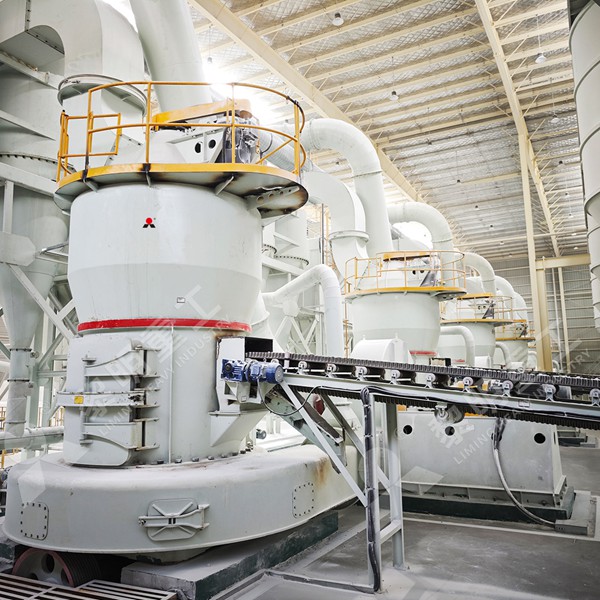
A systematic inspection schedule is the first line of defense. Daily checks should include monitoring bearing temperature using infrared thermometers. A sudden or steady rise in temperature (typically 10-15°C above ambient operating temperature is a concern) often indicates inadequate lubrication, overloading, or the onset of failure. Concurrently, listen for unusual noises—grinding, clicking, or irregular humming sounds emanating from the bearing housing can signal contamination, lack of lubricant, or raceway damage. Weekly visual inspections of seal integrity are crucial. Seals must be intact to prevent the ingress of Kaolin powder, which acts as an abrasive and drastically accelerates bearing wear.
Lubrication is not merely a task but a science in bearing maintenance. Always use the grease type and grade specified in the LIMING Raymond Mill manual, as it is selected for its viscosity, dropping point, and anti-wear properties suitable for the mill's speed and load. The golden rules are cleanliness and moderation. Before applying new grease, thoroughly clean the grease nipple. Over-greasing is as harmful as under-greasing; excess grease can cause churning, leading to overheating and seal damage. Follow the recommended re-lubrication intervals based on operating hours, but adjust based on environmental conditions—harsher, dustier environments may require more frequent lubrication. During re-lubrication, run the mill to allow the fresh grease to circulate evenly and purge old, potentially contaminated grease. Observe the purge valve until clean grease appears.
Vibration analysis is a powerful predictive maintenance tool. Regularly scheduled vibration monitoring can detect imbalances, misalignment, or bearing defects (like flaking or pitting) long before they cause catastrophic failure. Establishing a baseline vibration signature when the bearings are new and healthy allows for meaningful comparison. A trend showing increasing vibration levels, especially at specific frequencies, provides a clear warning to schedule a corrective intervention during a planned shutdown, avoiding disruptive unexpected breakdowns.
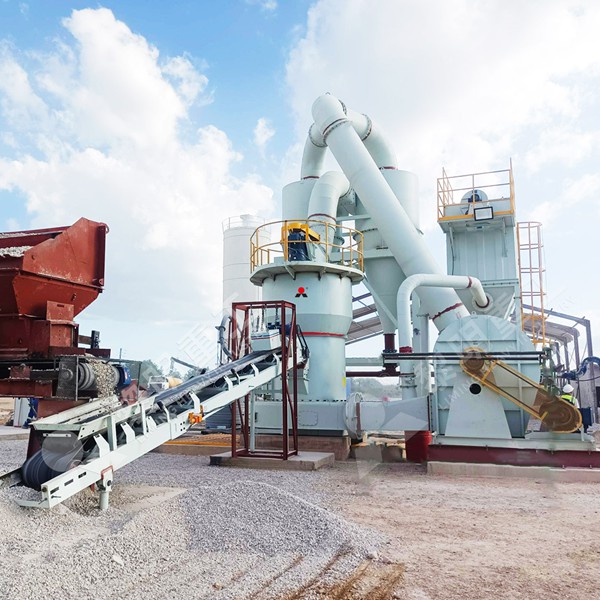
When bearing replacement becomes necessary, precision is paramount. Use proper pullers and avoid applying force to the bearing rings. The new bearing must be handled with clean gloves and kept in its packaging until the moment of installation. The housing bore and shaft must be impeccably clean and inspected for burrs or damage. Ensure correct fitting tolerances as per design—bearings are often mounted with an interference fit on the rotating component. Heating the bearing with an induction heater (not an open flame) to 80-90°C can facilitate a smooth, force-free installation onto the shaft. After installation, verify the alignment of the entire grinding roller assembly. Misalignment is a leading cause of premature bearing failure, inducing uneven load distribution and excessive stress.
Finally, integrate bearing health into your overall mill maintenance log. Record all observations, lubrication dates, grease quantities, temperature readings, and vibration data. This historical record is invaluable for diagnosing recurring issues, optimizing maintenance intervals, and making informed decisions about component life cycles. By adopting these professional maintenance practices, operators of LIMING Raymond Mills can ensure their equipment continues to deliver the reliable, efficient, and fine grinding performance required for superior Kaolin processing, upholding the productivity and innovation standards that LIMING HEAVY INDUSTRY builds into every machine.
Frequently Asked Questions (FAQ)
Q1: What are the most common signs that the bearings in my Raymond Mill need immediate attention?
A1: The most critical warning signs are a sustained increase in bearing housing temperature (more than 15°C above normal), abnormal grinding or screeching noises during operation, and a noticeable increase in vibration levels. Any of these symptoms warrant an immediate inspection and possible shutdown to prevent severe damage.
Q2: How often should I re-lubricate the grinding roller bearings?
A2: The exact interval depends on the mill's operating hours, load, and environmental dust levels. Always refer to the official LIMING maintenance manual for the base interval (e.g., every 400-500 operating hours). In high-dust Kaolin milling environments, intervals may need to be shortened by 20-30%. Monitor purge grease cleanliness to fine-tune the schedule.
Q3: Can I use any high-temperature grease for my Raymond mill bearings?
A3: No. It is essential to use the specific grease type recommended by LIMING HEAVY INDUSTRY. The recommended grease is selected for its precise consistency, thickener type, base oil viscosity, and additive package (anti-wear, rust prevention) to match the mill's speed, load, and operating temperature range. Using an incorrect grease can lead to inadequate lubrication or chemical incompatibility.
Q4: Why is proper alignment so crucial after replacing a bearing?
A4: Misalignment of the grinding roller assembly creates radial and axial forces that the bearing is not designed to handle. This leads to uneven load distribution on the bearing rollers, causing localized stress, rapid wear, overheating, and dramatically reduced bearing life. Precision alignment ensures loads are applied as intended by the design.
Q5: How can I effectively prevent Kaolin powder from contaminating the bearing housing?
A5> Maintain a multi-layered defense: 1) Ensure all labyrinth seals and grease seals are in perfect condition and replaced during scheduled overhauls. 2) Maintain a positive pressure of clean grease inside the housing via proper re-lubrication to push contaminants out. 3) Keep the area around the bearing housings clean to minimize external dust. 4) Inspect and maintain the mill's overall air sealing system to control internal dust circulation.


