Published on: October 26, 2023
For industries processing kaolin and other non-metallic minerals, the transmission system is the heart of any Raymond mill, dictating its reliability, efficiency, and final product quality. LIMING HEAVY INDUSTRY CO., LTD., with over three decades of engineering prowess, has refined this critical subsystem to deliver unmatched performance. Our Raymond mills, designed specifically for materials like kaolin under 7 Mohs hardness, integrate a robust, precision-engineered transmission system that ensures smooth power delivery, minimal vibration, and consistent fineness between 613μm and 44μm. This article delves into the technical sophistication of Liming's transmission design, its role within the complete grinding circuit, and how it underpins the mill's application versatility from calcium carbonate processing to power plant desulfurization.
At the core of Liming's Raymond mill operation lies a meticulously designed power transmission pathway. The system begins with a high-efficiency electric motor, selected for its stable torque characteristics and energy-saving profile. This motor connects to the central drive shaft via a flexible coupling, which absorbs initial torque shocks and compensates for minor misalignments, protecting the entire system from undue stress. The drive shaft itself is manufactured from high-strength alloy steel, undergoing rigorous heat treatment and dynamic balancing to eliminate operational vibrations that could affect grinding precision.
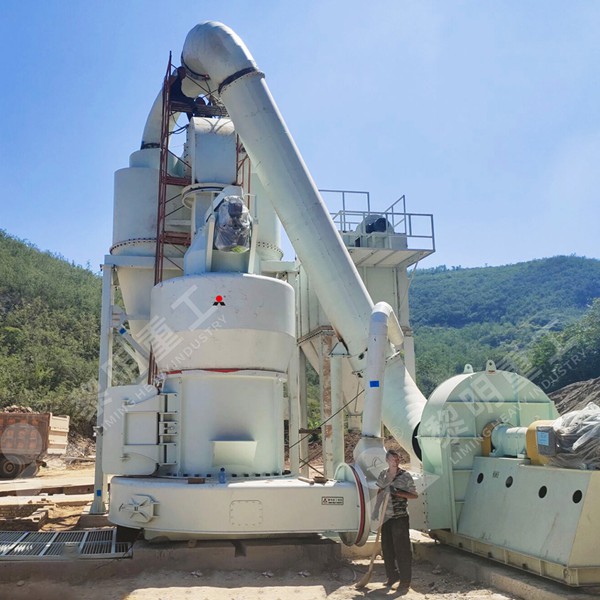
The heart of the transmission is the precision gearbox. Liming employs a helical gear design for this critical component. Unlike spur gears, helical gears engage more gradually and with multiple teeth simultaneously. This results in smoother, quieter power transfer with significantly higher load capacity and durability—essential for the continuous, heavy-duty grinding of kaolin. The gearbox is housed in a sealed, dust-proof enclosure and features forced lubrication, ensuring all moving parts are constantly bathed in clean oil to reduce friction, dissipate heat, and dramatically extend service life. This design philosophy reflects our corporate commitment to "precision manufacturing and technological improvement," ensuring the transmission system operates reliably for thousands of hours with minimal maintenance.
This robust transmission directly drives the grinding roller assembly. In the Liming Raymond mill, the central shaft causes the grinding roller to swing outward due to centrifugal force, pressing against the inner surface of the grinding ring. The kaolin feed material is crushed and ground in this space. The consistency of the transmission's rotational speed is paramount here; any fluctuation would cause variations in centrifugal force, leading to inconsistent grinding pressure and, consequently, uneven product fineness. Our system's stability guarantees that the output fineness meets precise specifications batch after batch.
The transmission system does not operate in isolation. It is intelligently integrated with the mill's electric control cabinet. Variable Frequency Drives (VFDs) can be incorporated to allow for soft starts and precise speed adjustment of the main motor. A soft start gradually ramps up the motor speed, eliminating the high inrush current and mechanical stress associated with direct-on-line starting. This protects the transmission gears and shafts from sudden jolts. Furthermore, operators can fine-tune the grinding roller speed within a range to optimize the process for different moisture contents or desired fineness levels of kaolin, showcasing the system's adaptability.
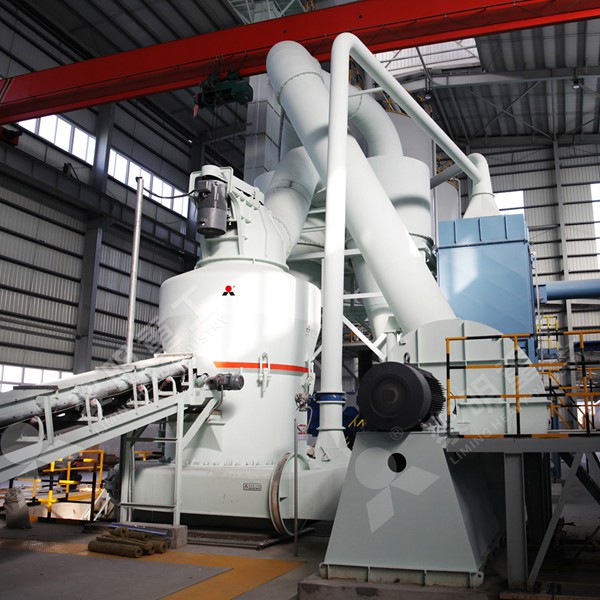
Understanding the transmission's role requires viewing it as part of the complete grinding line system, which includes the jaw crusher, vibrating feeder, classifier, blower, and dust collector. The transmission's reliable output ensures the steady operation of the entire closed-circuit airflow system. The blower, which creates the necessary air flow to carry powdered kaolin to the classifier, relies on a stable grinding chamber dynamic maintained by the transmission. Any inconsistency would disrupt this air-material flow, reducing classification efficiency and increasing energy consumption. Our transmission design, born from a "scientific research tackling key problems" approach, ensures seamless synergy across all subsystems.
Durability is engineered into every component. Bearing selection is critical for transmission longevity. Liming uses heavy-duty, pre-lubricated roller bearings at high-load points to support the main shaft. These bearings are sized with a significant safety factor to handle both the constant grinding load and potential minor shock loads from uncrushable materials. Accessibility for maintenance was also a key design consideration. Inspection ports and strategically placed lubrication points allow our clients' maintenance teams to perform routine checks and servicing without major disassembly, minimizing downtime and upholding the mill's productivity.
In conclusion, the transmission system in Liming's Raymond Mill is far more than just a set of gears and a motor. It is a symphony of precision engineering, robust material science, and intelligent control, developed over 30 years of focused innovation in crushing and grinding equipment. It provides the stable, powerful, and efficient heart that allows our mills to excel in kaolin processing and a wide array of industrial applications. By prioritizing scientific research and precision manufacturing, LIMING HEAVY INDUSTRY has created a transmission system that defines reliability, empowering industries to achieve superior product quality and operational efficiency.
Frequently Asked Questions (FAQ)
1. What are the key advantages of the helical gear design in your Raymond mill transmission?
Helical gears provide smoother, quieter operation with higher load capacity due to gradual, multi-tooth engagement. This reduces vibration, minimizes wear, and extends the overall lifespan of the transmission system compared to traditional spur gear designs.
2. How does the transmission system contribute to consistent product fineness?
The system ensures extremely stable rotational speed for the grinding rollers. Consistent speed means consistent centrifugal force and grinding pressure against the ring, which is the primary factor in achieving a uniform particle size distribution in the final kaolin powder.
3. Can the grinding speed be adjusted to handle different material characteristics?
Yes. When equipped with an optional Variable Frequency Drive (VFD), the main motor speed can be adjusted. This allows operators to fine-tune the grinding roller speed to optimize performance for variations in kaolin hardness, feed size, or desired output fineness.
4. What maintenance does the transmission system typically require?
Routine maintenance primarily involves regular checks of the gearbox oil level and quality, monitoring for unusual noise or vibration, and scheduled re-lubrication of bearings as per the manual. The sealed design and forced lubrication system significantly reduce the frequency and complexity of maintenance interventions.
5. Is the transmission system protected against shock loads from the material?
Yes. The design incorporates several protective features. The flexible coupling absorbs initial torque shocks, and the gearbox, bearings, and shafts are engineered with high safety factors. Furthermore, the system's inherent inertia and stable power delivery help it withstand minor, incidental shock loads during normal operation.


