Published on: October 26, 2023
The electrical control cabinet for the Kaolin Raymond Mill represents the pinnacle of intelligent automation in mineral processing, transforming a robust mechanical grinding system into a seamlessly integrated, high-precision operation. As the central nervous system of the milling line, this cabinet, engineered by LIMING HEAVY INDUSTRY, orchestrates every critical function—from raw material feeding and grinding pressure regulation to fineness classification and system safety. It ensures the mill operates at optimal parameters to achieve the consistent, fine powder quality (typically between 44μm and 613μm) essential for kaolin applications in ceramics, paper, paints, and polymers. By prioritizing operational simplicity, energy efficiency, and fail-safe reliability, this control solution empowers operators to maximize throughput while maintaining stringent quality control with minimal manual intervention.
At the heart of LIMING HEAVY INDUSTRY's design philosophy is the integration of mature, reliable automation technology with deep process understanding. The control cabinet for the Raymond Mill is not a generic off-the-shelf component but a system custom-tailored for the specific demands of non-metallic mineral grinding, particularly for sensitive materials like kaolin. It manages the synchronized operation of the entire grinding line, which includes the mill host, classifier, feeder, blower, and dust collection system. Through a centralized Programmable Logic Controller (PLC) interface, operators can monitor real-time data on motor loads, bearing temperatures, airflow pressure, and product fineness. This level of oversight allows for precise adjustments to grinding roller pressure and classifier speed, directly influencing particle size distribution and final product quality.
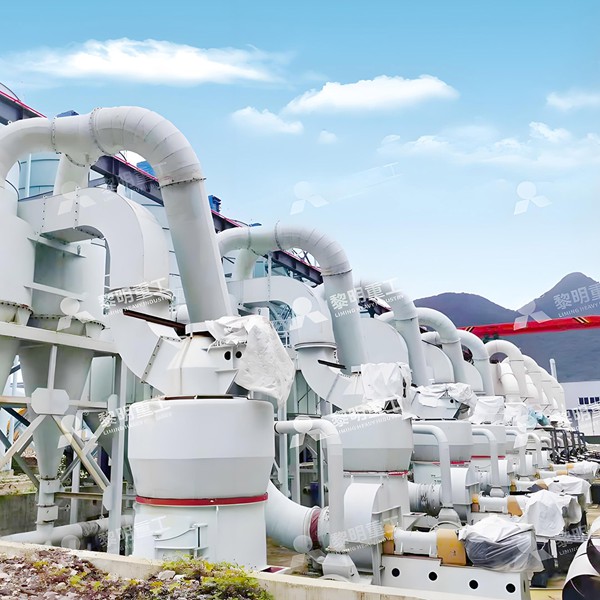
The cabinet's architecture is built for resilience in industrial environments. Key features include advanced motor control centers with soft-start capabilities to reduce mechanical stress during startup, variable frequency drives (VFDs) for the blower and feeder motors to enable precise airflow and feed rate control, and comprehensive protection circuits against overload, phase loss, and short circuits. The human-machine interface (HMI) touchscreen provides an intuitive dashboard, displaying process flow diagrams, alarm histories, and maintenance schedules. This transforms complex operational decisions into simple touch commands, significantly reducing the potential for human error and enabling rapid response to any process deviations.
Safety and environmental compliance are engineered into the system's core logic. The control cabinet is integrally linked to the pulse-jet dust collector's operation, ensuring negative pressure is maintained within the grinding chamber to prevent dust leakage, a critical aspect for both worker safety and meeting environmental standards. Automatic shutdown sequences are programmed to activate in case of critical faults, such as excessive temperature in the grinding chamber or a blockage in the feeding system, protecting the mill's mechanical integrity. Furthermore, the system's energy management logic optimizes the power consumption of major drives, contributing to the Raymond Mill's reputation for energy efficiency compared to traditional ball mills.
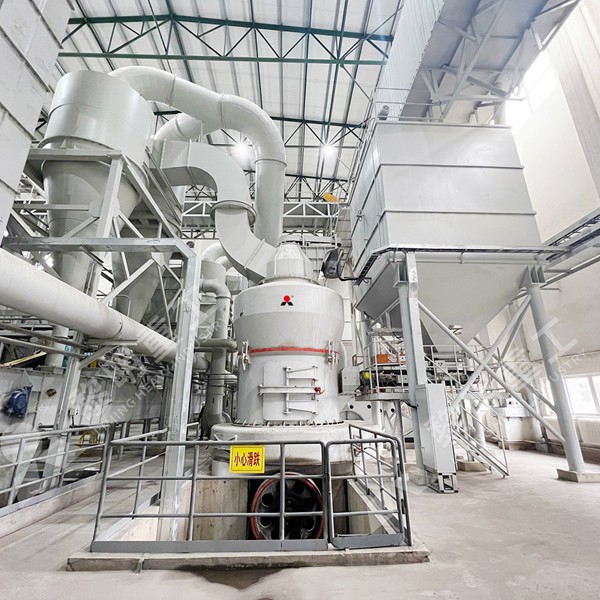
For kaolin processing, where moisture content and hardness must be carefully managed (typically materials under 6% humidity and Mohs hardness 7), the control cabinet's precision is paramount. The automated feed system, governed by the cabinet, ensures a steady and consistent supply of material to the grinding zone, preventing overloads that can cause fineness fluctuations or underloads that waste energy. The closed-loop control of the classifier motor allows for on-the-fly adjustment of product fineness without stopping production, offering tremendous flexibility to meet different customer specifications. This technological sophistication stems from LIMING HEAVY INDUSTRY's decades-long commitment to R&D, where "scientific research tackling key problems" has led to control systems that enhance product competitiveness and operational reliability.
Ultimately, the electrical control cabinet is what elevates the Kaolin Raymond Mill from a simple grinder to a smart, connected industrial asset. It enables predictive maintenance through trend monitoring, facilitates remote diagnostics, and ensures reproducible product quality batch after batch. By investing in this intelligent control solution, operators gain not just a machine, but a reliable partner in achieving consistent, high-yield kaolin powder production, solidifying their position in a demanding market. It embodies LIMING HEAVY INDUSTRY's mission of leveraging technological progress and precision manufacturing to deliver total solutions for the global mining and minerals industry.
Frequently Asked Questions (FAQ)
- What is the primary function of the electrical control cabinet in a Kaolin Raymond Mill system?
The control cabinet acts as the intelligent command center, automating and synchronizing all components of the grinding line. It controls startup/shutdown sequences, regulates feed rates and grinding pressure, adjusts classifier speed for fineness control, monitors system health (temperature, vibration, current), and ensures safe operation through integrated safety interlocks. - Can the fineness of the kaolin powder be adjusted during operation?
Yes, a key advantage of the modern PLC-based system is the ability to adjust product fineness in real-time without stopping the mill. This is achieved by remotely changing the rotational speed of the classifier via the variable frequency drive (VFD) from the HMI touchscreen, allowing immediate response to different product specifications. - How does the control system contribute to energy savings?
The system incorporates VFDs for major motors (blower, feeder), allowing them to run at optimal speeds rather than constant full power. The intelligent logic optimizes the sequence of operations and load distribution. Furthermore, precise control over the grinding process minimizes wasteful over-grinding, directly reducing specific energy consumption per ton of processed kaolin. - What kind of safety protections are integrated into the control logic?
The cabinet includes multiple layers of protection: electrical protections (overload, short-circuit, phase failure), mechanical safety (bearing temperature monitoring, lubrication system pressure monitoring), and process safety (airflow failure detection, feed blockage alarms). If a critical fault is detected, the system will initiate an automatic, orderly shutdown to prevent equipment damage. - Is remote monitoring or operation of the mill possible with this control system?
Advanced configurations of the control cabinet can be equipped with data communication modules (e.g., Ethernet, 4G/5G) that enable remote connectivity. This allows for remote monitoring of production data, alarm notifications via SMS/email, and, with proper security protocols, limited remote parameter adjustment or diagnostic support from technical service centers.


