Published: October 26, 2023
In the plastics industry, achieving the optimal fineness of kaolin powder filler is paramount for enhancing product performance, from improving tensile strength and impact resistance to ensuring superior surface finish and dimensional stability. As a leading manufacturer of industrial grinding equipment for over three decades, LIMING HEAVY INDUSTRY provides a definitive guide to the fineness standards for plastic-grade kaolin, detailing how advanced milling technologies—from Raymond Mills to Micro Powder Mills—enable precise particle size control. This article explores the critical fineness ranges, their impact on polymer composites, and the engineered solutions that ensure consistent, high-quality filler production to meet stringent industry specifications.
The performance of kaolin as a functional filler in plastic compounds is intrinsically linked to its particle size distribution (PSD) and top-cut fineness. Generally, fillers for plastics like polypropylene (PP), polyethylene (PE), or polyvinyl chloride (PVC) require a fine, consistent powder to ensure homogeneous dispersion within the polymer matrix. Agglomerates or coarse particles can act as stress concentrators, weakening the final product. For most general-purpose plastic applications, a fineness ranging from 325 mesh (45 μm) to 1250 mesh (10 μm) is standard. High-performance engineering plastics and masterbatches, however, often demand ultra-fine kaolin powders reaching d97 ≤ 5 μm (equivalent to approximately 2500 mesh), where the increased surface area significantly improves mechanical properties and optical characteristics.
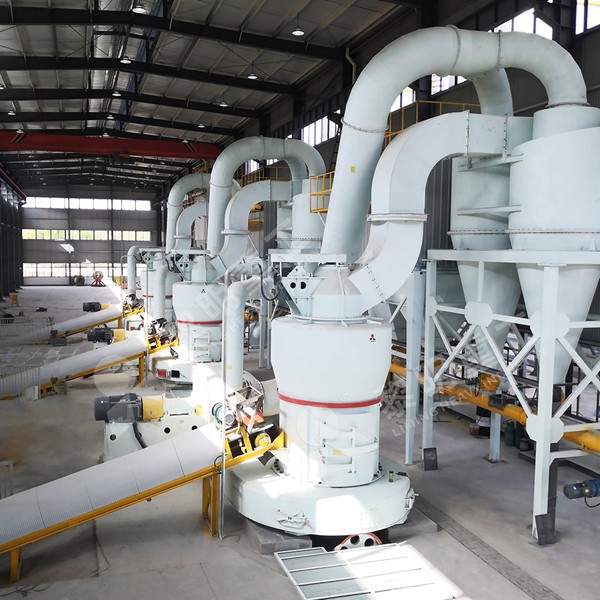
Selecting the correct grinding technology is the cornerstone of achieving these precise fineness standards. At LIMING HEAVY INDUSTRY, our engineering philosophy centers on matching the machine's capability to the material's properties and the target PSD. For producing kaolin filler in the coarse to medium-fine range (44μm to 613μm), our Raymond Mill offers a robust and energy-efficient solution. Its classic pendulum roller design provides reliable performance for non-explosive materials like kaolin under 7 Mohs hardness. When the requirement shifts towards finer powders and higher production volumes for large-scale plastic manufacturing, the MTW European Type Grinding Mill presents a superior alternative. Incorporating patented curved air duct technology and an internal high-efficiency classifier, this system excels in producing consistent powder between 10μm and 50μm, making it ideal for high-tonnage filler production lines.
For the most demanding applications requiring ultra-fine kaolin powder, our MW Micro Powder Mill is the technology of choice. This system, which incorporates advanced Swedish grinding concepts, is specifically engineered for superfine processing. It can reliably achieve fineness levels up to d97 ≤ 5μm (3250 mesh), a range critical for premium plastic composites where maximum reinforcement and minimal visibility are required. The mill's integrated dynamic classifier allows for real-time adjustment of fineness without stopping the machine, providing unparalleled flexibility to switch between different product grades. Furthermore, its fully enclosed negative pressure operation system, coupled with a pulse dust collector, ensures a clean production environment—a non-negotiable aspect when producing filler for sensitive plastic products.
The journey to the perfect filler powder begins well before grinding. At LIMING, we advocate for a holistic System Approach. A complete grinding line typically includes a jaw crusher for primary size reduction, a vibrating feeder for consistent material flow, the grinding mill itself, a high-precision separator (classifier) that determines the final cut point, an air blower for pneumatic conveyance, and a comprehensive dust collection system. This integrated setup, as exemplified in our MTW and MW series projects, ensures not only precise fineness control but also stable, continuous operation. The separator plays a particularly vital role; by recycling oversized particles back to the grinding chamber for further processing, it guarantees that every batch of kaolin powder meets the specified top-cut standard, eliminating outliers that could compromise plastic quality.
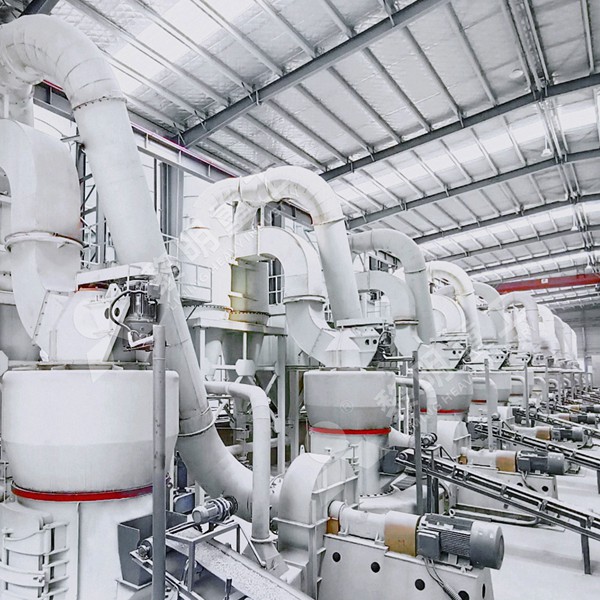
Beyond the equipment, achieving and maintaining a fineness standard is an exercise in precision process control. Key operational parameters such as grinding pressure (in roller mills), classifier speed, feed rate, and air volume must be meticulously calibrated and monitored. A change in the moisture content of the raw kaolin, for instance, can drastically affect grinding efficiency and final fineness. Our systems are designed with automated electric control panels that allow operators to fine-tune these variables, ensuring repeatable results batch after batch. For plastic compounders, this consistency translates directly to predictable and enhanced performance in their end products—whether it's improved stiffness in an automotive bumper or better printability in a plastic film.
In conclusion, the fineness standard for plastic filler kaolin is not a single number but a carefully defined spectrum tailored to the application. By leveraging over 30 years of expertise in comminution technology, LIMING HEAVY INDUSTRY provides the industry with reliable, scalable, and precise grinding solutions. From the versatile Raymond Mill to the cutting-edge MW Micro Powder Mill, our portfolio empowers producers to hit exacting fineness targets, driving innovation and quality in the global plastics market. We persist in our commitment to scientific research and technological advancement, ensuring our equipment remains at the forefront of particle size control for mineral fillers.
Frequently Asked Questions (FAQs)
- What is the typical fineness range for kaolin used as a filler in polypropylene (PP) compounds?
For most PP applications, a kaolin powder fineness between 800 mesh (15 μm) and 1250 mesh (10 μm) is common. This range offers an optimal balance of good dispersion, improved stiffness, and cost-effectiveness. - How does an internal classifier in a grinding mill ensure consistent fineness?
The classifier acts as a precision sizing device. It uses centrifugal force and airflow to separate particles. Oversized particles are rejected and returned to the grinding zone, while only particles meeting the target fineness pass through to collection, ensuring a tight particle size distribution. - Can the same grinding mill produce different grades of kaolin filler?
Yes, modern mills like the MTW European Type Mill or MW Micro Powder Mill are designed with adjustable parameters (e.g., classifier speed, grinding force). By adjusting these settings, operators can produce different fineness grades from the same equipment without major mechanical changes. - Why is ultra-fine kaolin (d97 ≤ 5μm) sometimes required in plastics?
Ultra-fine kaolin provides a much higher surface area, leading to stronger interfacial adhesion with the polymer matrix. This results in significantly improved mechanical properties (tensile strength, impact resistance) and a smoother surface finish, which is crucial for high-end applications like thin films and precision-molded parts. - What are the key factors to consider when selecting a grinding system for plastic-grade kaolin production?
The primary factors are: the target fineness and output capacity, the hardness and moisture content of the raw kaolin, required energy efficiency, the level of automation desired, and compliance with environmental standards for dust emission and noise.


