Published: October 26, 2023
Proper foundation design and construction are critical for the optimal performance, longevity, and safety of Raymond Mills processing kaolin. This article provides a detailed, professional guide to the essential foundation requirements, drawing from the extensive engineering expertise and product specifications of LIMING HEAVY INDUSTRY. We will cover key considerations such as load analysis, vibration isolation, material selection, and installation best practices, ensuring your kaolin grinding operation is built on a solid, reliable base.
The successful operation of any industrial milling equipment begins long before the first ton of kaolin is fed into the hopper. It starts with the ground beneath it. For a Raymond Mill, specifically engineered for processing non-metallic minerals like kaolin under 7 Mohs hardness, the foundation is not merely a slab of concrete; it is an integral component of the grinding system. At LIMING HEAVY INDUSTRY, with over three decades of experience in manufacturing precision grinding equipment like our Raymond Mill and MTW European Type Grinding Mill, we have identified that a significant proportion of operational issues—unwanted vibration, premature wear, misalignment—can often be traced back to inadequate foundational support.
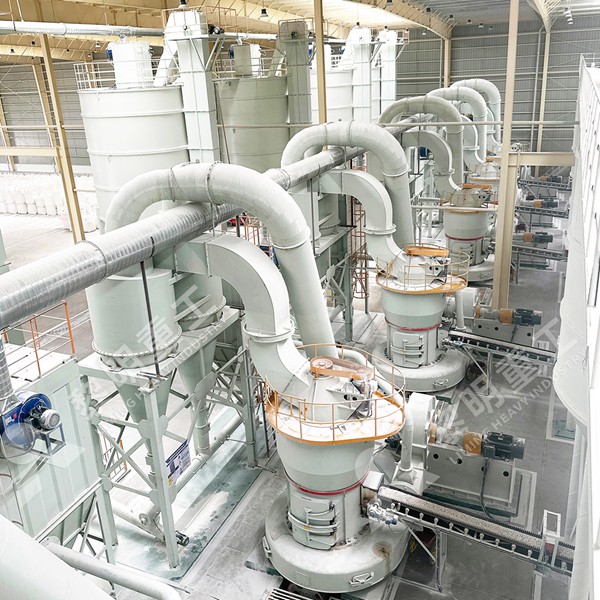
The primary function of the foundation is to absorb and dampen the dynamic loads generated during the milling process. While kaolin is a relatively soft material, the mechanical action of the grinding rollers against the grinding ring, coupled with the rotation of the central shaft and classifier, produces consistent vibrational forces. A foundation must be designed to withstand these cyclic loads without cracking, settling, or transmitting excessive vibration to the surrounding plant structure. The first step is a thorough load analysis. This involves calculating the total dead weight of the mill, including the mainframe, grinding assembly, separator, drive motor, and ancillary equipment like the jaw crusher and feeder from the system layout. Furthermore, the dynamic load factor, which is typically a multiplier of the static weight (often 2-3 times), must be applied to account for operational forces. Our engineering team provides detailed weight and force specifications for each model, such as our Raymond Mill with a capacity range of 1.2-4.5T/H for kaolin, to facilitate accurate calculations by your civil engineers.
Material selection for the foundation is paramount. High-strength, reinforced concrete with a minimum compressive strength of 25 MPa (3500 psi) after 28 days of curing is standard. The reinforcement should be designed to handle both tensile and shear stresses. The foundation block must be monolithic, poured in a single continuous operation to avoid weak joints. Its mass and dimensions should be sufficient to provide a stability factor (ratio of stabilizing moment to overturning moment) well above 1.5. The foundation must extend below the local frost line to prevent seasonal heaving and be entirely isolated from the flooring of the building to eliminate vibration transfer. Proper vibration isolation pads or spring mounts are sometimes recommended, especially for installations on upper floors or in seismically active zones, to further decouple the mill's vibrations.
Accuracy in placement and anchoring is non-negotiable. The foundation plan must include precisely positioned anchor bolts embedded in the concrete. These bolts secure the mill's baseplate and must be aligned within a tolerance of ±2 mm. Using template jigs during the concrete pour is the best practice to ensure this precision. The top surface of the foundation must be leveled using precision instruments; a tolerance of 0.2 mm/m is generally required. Any deviation can lead to frame distortion, causing misalignment of the grinding roller assembly and the central shaft, resulting in uneven wear, increased power consumption, and reduced fineness control—critical for achieving kaolin product sizes between 44μm and 613μm.
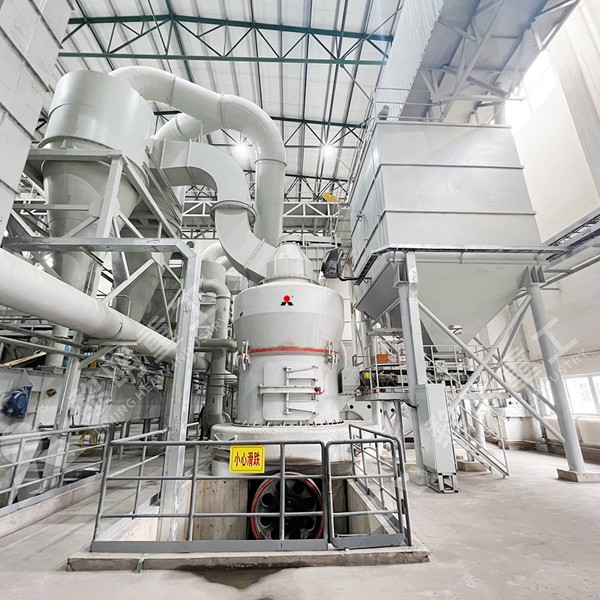
Drainage and environmental protection should also be incorporated into the design. While kaolin processed in a Raymond Mill typically requires a humidity of less than 6%, provisions for minor spillage or maintenance activities should be considered. The foundation area should have a slight slope and a drain to manage water. Furthermore, integrating the foundation design with the layout of connecting ducts (for the pulse dust collector system) and electrical conduits (for the motor and control cabinet) from the outset prevents costly modifications later. At LIMING HEAVY INDUSTRY, our project support includes reviewing foundation drawings submitted by clients to verify they meet the specific requirements of our equipment, ensuring a seamless integration from the ground up.
Finally, a proper curing period for the concrete—typically 28 days—must be observed before mounting the equipment. Rushing this process compromises the concrete's ultimate strength and can lead to catastrophic failure. Once cured, the mill is carefully positioned, leveled, and grouted. High-strength, non-shrink epoxy grout is pumped under the baseplate to fill all voids, creating a 100% bearing contact between the steel and concrete. This uniform support is essential for distributing loads evenly and maintaining alignment over decades of service. Adhering to these rigorous foundation requirements ensures that your LIMING Raymond Mill operates at its designed efficiency, producing consistent, high-quality kaolin powder while minimizing downtime and maintenance costs, embodying our corporate commitment to precision manufacturing and pioneering innovation.
Frequently Asked Questions (FAQ)
- What is the most common mistake in building a foundation for a Raymond Mill?
The most common mistake is underestimating the dynamic load factor and using under-reinforced concrete, leading to cracking and settlement over time. Another frequent error is improper alignment and securing of anchor bolts. - Can the same foundation be used for different models of grinding mills, like the MTW European Type Mill?
No. Each mill model has unique weight, dimensions, and dynamic force characteristics. The foundation must be designed specifically for the model's load data provided by LIMING HEAVY INDUSTRY. - How critical is the leveling tolerance for kaolin grinding performance?
Extremely critical. Even minor misleveling can cause uneven roller wear, imbalance in the grinding chamber, and inconsistent product fineness, directly impacting the quality of the processed kaolin powder. - Is special foundation design required in areas with high water tables?
Yes. In such cases, waterproofing measures, such as a membrane or coating for the concrete, and potentially a dewatering system around the foundation block, are necessary to prevent water infiltration and weakening of the base. - Does LIMING HEAVY INDUSTRY provide on-site supervision for foundation construction?
While we provide comprehensive foundation drawings, specifications, and remote review services, on-site supervision can be arranged as part of an extended technical service package to ensure strict adherence to our engineering standards.


