Published: October 26, 2023
The processing of limestone into high-quality powder is a cornerstone of numerous industries across South America, from construction and agriculture to environmental applications like flue gas desulfurization. For operators seeking reliable, efficient, and precise grinding solutions, selecting the right milling technology is paramount. Liming Heavy Industry, with over three decades of expertise in manufacturing crushing and grinding equipment, offers a range of advanced mills specifically engineered to meet the diverse demands of the South American limestone market. Among these, the Raymond Mill stands out as a proven and versatile workhorse, capable of producing fine powders between 613μm and 44μm to exacting specifications. This article explores the application of Liming's Raymond Mill technology in South America, detailing its operational advantages, working principles, and how it compares to other grinding solutions within our portfolio to deliver optimal productivity and return on investment.
South America's vast limestone deposits are a critical raw material for national development. The processed powder is essential for manufacturing cement, producing animal feed, treating soil, and as a filler in plastics and paints. Furthermore, with increasing environmental regulations, limestone powder plays a vital role in power plant desulfurization processes. The challenge for processors lies in transforming raw limestone into a consistent, fine powder efficiently and cost-effectively. This is where grinding technology from a seasoned manufacturer like Liming Heavy Industry becomes indispensable. Founded in 1987 and headquartered in Zhengzhou, China, Liming has grown into a leader in domestic and overseas machinery manufacturing by adhering to principles of scientific management, precision manufacturing, and continuous innovation.
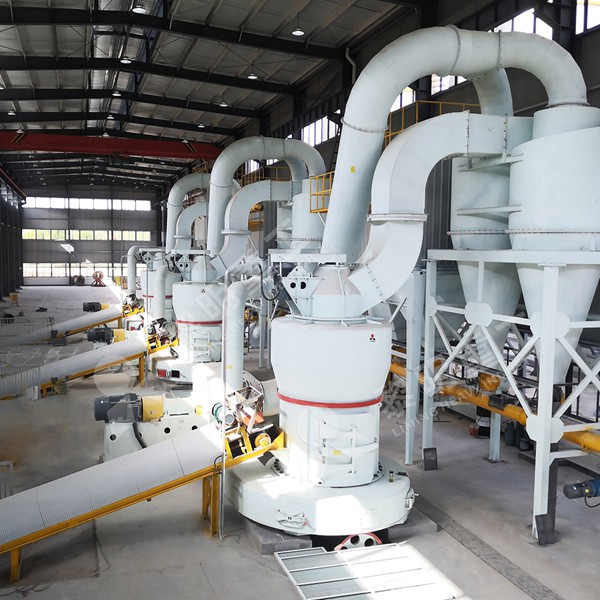
For many applications requiring fine to medium-fine limestone powder, the Liming Raymond Mill is the ideal choice. This mill is engineered for processing non-flammable and non-explosive materials with a Mohs hardness under 7 and humidity less than 6%, making it perfectly suited for most limestone varieties. Its strength lies in its simplicity, durability, and ease of maintenance. The system integrates grinding, powder selection, and conveying into a cohesive unit. Material is ground between the grinding rollers and the ring, then classified by an internal separator. Oversized particles are returned for regrinding, while finished powder is conveyed by airflow to the collector. This closed-loop system ensures high efficiency and minimizes dust emissions, a key consideration for modern, environmentally conscious plants.
The Liming Raymond Mill offers a capacity range of 1.2 to 4.5 tons per hour, handling feed sizes of 15-25mm. This makes it an excellent fit for medium-scale production lines across the continent. Its ability to precisely adjust fineness allows a single mill to serve multiple product grades, providing operational flexibility. Whether the end product is used for agricultural lime, industrial filler, or as a base material for further processing, the Raymond Mill delivers consistent quality. Its robust construction ensures stable, long-term operation even in remote locations, with readily available spare parts minimizing downtime.
While the Raymond Mill is a superb all-rounder, Liming Heavy Industry's comprehensive product line offers specialized solutions for different project scales and fineness requirements. For larger-scale operations or projects requiring coarser powders, the LM Vertical Roller Mill presents a compelling alternative. With a significantly higher capacity of 10-400 T/H, it integrates drying, grinding, and powder selection, which is advantageous for materials with higher moisture content. Its vertical structure also boasts a smaller footprint, an important factor for space-constrained sites.
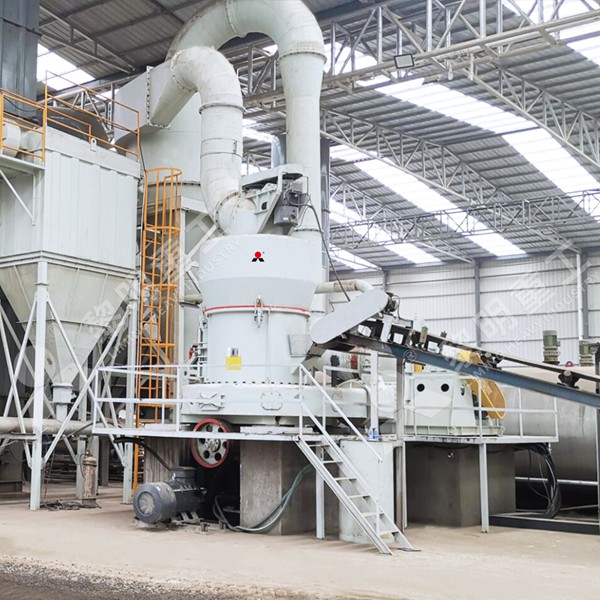
For processors targeting the high-end, ultra-fine powder market, the MW Micro Powder Mill is the technological frontier. Incorporating advanced Swedish grinding technology, it excels at superfine processing, achieving fineness up to d97 ≤ 5μm (3250 mesh). This mill is ideal for producing high-value-added limestone powders used in premium plastics, coatings, and pharmaceuticals. Its design includes a high-efficiency pulse dust collector, making the entire production process exceptionally clean and environmentally friendly.
Another advanced option is the MTW European Type Grinding Mill. As an upgrade over traditional Raymond mills, it features patented technology for greater stability, higher productivity, and improved energy efficiency. With a capacity of 3-55 TPH, it is particularly committed to large-scale non-metallic mineral powder making, including heavy calcium carbonate. Its curved air duct and internal powder separator contribute to superior classification accuracy and lower energy consumption per ton of output.
Finally, the traditional Ball Mill remains a reliable workhorse for certain applications, capable of grinding a wide variety of materials. It is a key piece of equipment for milling after crushing and is widely used in beneficiation, construction, and the chemical industry. The choice between a Raymond Mill, Vertical Roller Mill, MTW Mill, MW Micro Powder Mill, or a Ball Mill ultimately depends on the specific project parameters: required capacity, input size, desired fineness, moisture content, and overall investment strategy.
For South American investors and plant managers, partnering with Liming Heavy Industry means more than just purchasing a machine. It means accessing decades of engineering experience, a commitment to scientific research and development, and a comprehensive support system. Our modern manufacturing facilities, covering over 80,000 square meters, ensure quality control from raw materials to finished assembly. We persist in a strategy that places product competitiveness at the core, tackling key technological problems to stay at the industry's forefront. When planning a limestone powder processing project, considering the full spectrum of Liming grinding solutions ensures the selected technology aligns perfectly with your operational goals for efficiency, quality, and sustainable growth.
Frequently Asked Questions (FAQs)
- What is the typical fineness range achievable with a Liming Raymond Mill for limestone?
The Liming Raymond Mill can produce limestone powder with a fineness between 613μm (approximately 25 mesh) and 44μm (approximately 325 mesh). The fineness can be easily adjusted within this range to meet specific customer requirements. - How does the Raymond Mill handle moisture in the limestone feed?
The standard Raymond Mill is suitable for materials with humidity less than 6%. For limestone with higher moisture content, we recommend our LM Vertical Roller Mill, which integrates a highly efficient drying function during the grinding process. - What are the key advantages of the MTW European Type Mill over a traditional Raymond Mill?
The MTW Mill offers several upgrades: higher productivity, better energy efficiency due to its curved duct and advanced separator design, more stable performance, and a larger capacity range. It is designed as a next-generation solution for large-scale powder making. - Can your mills produce ultra-fine limestone powder for specialized industries?
Yes, our MW Micro Powder Mill is specifically designed for superfine grinding. It can produce limestone powder with a fineness up to d97 ≤ 5μm (3250 mesh), making it suitable for high-value applications in plastics, paints, and advanced materials. - What kind of after-sales support does Liming Heavy Industry provide in South America?
We provide comprehensive support including installation guidance, commissioning assistance, operator training, and a reliable supply of genuine spare parts. Our technical team is available for remote support and can arrange on-site service when necessary to ensure optimal mill performance.


