Published on: October 26, 2023
In the modern cement manufacturing process, the efficient preparation of raw materials is paramount to productivity, quality, and cost-effectiveness. Limestone, as a primary component of cement clinker, requires precise grinding to achieve the optimal fineness and reactivity. Among the various grinding solutions available, the Raymond Mill, particularly its advanced iterations like the MTW European Type Grinding Mill from LIMING HEAVY INDUSTRY, stands out as a robust, energy-efficient, and reliable choice for limestone pulverization in cement plants. This article delves into the technical merits, operational principles, and specific advantages of utilizing Liming's Raymond Mill technology for limestone processing, highlighting its role in enhancing overall plant performance and sustainability.
LIMING HEAVY INDUSTRY CO., LTD., with over three decades of expertise in manufacturing crushing and grinding equipment, has consistently evolved its milling technology. The company's commitment to scientific research and technological innovation is embodied in its range of grinding mills, designed to meet the rigorous demands of industries like cement production. For limestone grinding, the traditional Raymond Mill and its more advanced successor, the MTW European Type Trapezium Mill, offer tailored solutions that balance capacity, fineness control, and operational economy.
The working principle of the Raymond Mill system is a model of mechanical efficiency. The process begins with the primary crushing of large limestone lumps. The crushed material is then fed evenly into the grinding chamber via a vibrating feeder. Inside the mill, the material is ground between the rotating rollers and the stationary ring. The ground powder is carried upward by the airflow to the integrated classifier (separator). Here, particles meeting the required fineness are collected as the final product, while coarser particles fall back for regrinding. This closed-circuit system, supported by an air blower and efficient dust collection equipment like a pulse dust collector, ensures minimal dust emission and high powder recovery, aligning with stringent environmental standards.
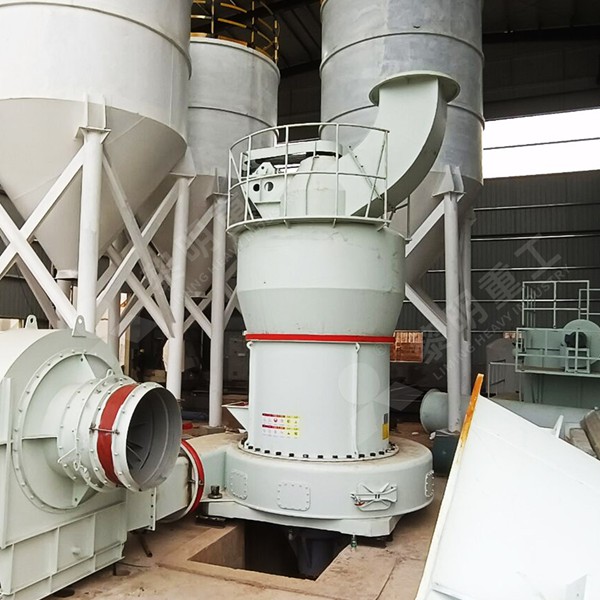
For cement plant applications, the MTW European Type Grinding Mill presents significant advantages over conventional ball mills for limestone pre-grinding. Its design focuses on energy savings, often reducing power consumption by 20-30% compared to traditional tube mills. The system integrates drying, grinding, powder selection, and conveying into a single unit, which is particularly beneficial if the limestone feedstock has slight moisture content. With an output fineness range adjustable between 44μm to 613μm (approximately 325 to 30 mesh), it provides the precise particle size distribution crucial for the subsequent pyroprocessing in the kiln. The uniform fineness of the ground limestone promotes better burnability and more stable clinker quality.
Operational reliability and low maintenance are critical in a 24/7 cement production environment. Liming's mills are engineered for durability. The grinding rollers and ring are made from wear-resistant materials, extending service life and reducing downtime for part replacement. The centralized automatic electric control system allows for easy operation and monitoring, enabling quick adjustments to feed rate or fineness based on real-time process requirements. Furthermore, the compact design and smaller footprint of the Raymond Mill system compared to a traditional ball mill circuit can lead to savings in plant layout and construction costs.
Beyond the core grinding function, the environmental performance of the equipment is a key consideration. The fully enclosed negative pressure operation, coupled with high-efficiency pulse dust collectors, ensures that the entire grinding process is clean, containing limestone dust effectively. This not only protects the health of workers and the surrounding environment but also minimizes product loss. In an era where sustainable manufacturing is non-negotiable, such features make Liming's grinding technology a responsible choice for forward-thinking cement producers.
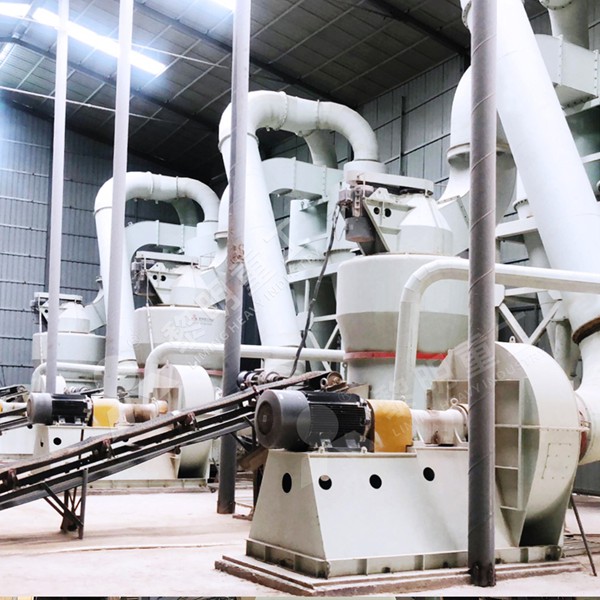
Choosing the right model depends on specific plant capacity and fineness requirements. For instance, the MTW European Type Mill offers capacities from 3 to 55 tons per hour, handling feed sizes up to 50mm, making it suitable for medium to large-scale cement production lines. Its patented technology ensures stable performance even with variations in material hardness. For projects with extremely high fineness demands beyond the scope of standard Raymond Mills, Liming's MW Micro Powder Mill serves as an excellent complementary technology for producing specialized additives.
In conclusion, the application of Raymond Mill technology, specifically the advanced MTW series from LIMING HEAVY INDUSTRY, for limestone grinding in cement plants represents a synergy of proven reliability and modern innovation. It delivers the precise, efficient, and eco-friendly raw material preparation essential for competitive cement manufacturing. By investing in such optimized grinding solutions, cement plants can achieve significant gains in energy efficiency, product consistency, and operational sustainability, solidifying their foundation for long-term success in a demanding market.
Frequently Asked Questions (FAQs)
- What is the typical moisture content limit for limestone processed in a Raymond Mill?
Raymond Mills, including the MTW European type, are suitable for materials with humidity less than 6%. For limestone with higher moisture, the integrated drying function of the mill system can handle slight moisture, but very wet material may require pre-drying. - How does the fineness of ground limestone from a Raymond Mill affect cement kiln operation?
Finer and more uniformly ground limestone increases its surface area, leading to faster and more complete chemical reactions in the kiln. This improves burnability, reduces kiln retention time, lowers specific heat consumption, and contributes to more consistent clinker mineralogy. - What are the main wear parts in a Raymond Mill system, and what is their typical service life?
The primary wear parts are the grinding rollers and the grinding ring. Their service life depends on the abrasiveness of the limestone but is significantly extended by Liming's use of high-chrome or alloyed wear-resistant materials, often lasting several thousand operating hours before requiring replacement. - Can the same Raymond Mill system be used to grind other raw materials like clay or shale?
Yes, the system is versatile and can process various non-flammable, non-explosive mineral materials with Mohs hardness below 7. However, the feed size, capacity, and wear rate may vary. It is recommended to consult with Liming's engineers to evaluate the suitability for specific material mixes. - What kind of after-sales support does LIMING HEAVY INDUSTRY provide for its grinding mills in cement plants?
Liming provides comprehensive support including detailed installation guidance, operational training, readily available spare parts supply, and remote technical assistance. Their service network aims to maximize equipment uptime and performance throughout the mill's lifecycle.


