Published on: October 26, 2023
For construction material producers seeking efficient, reliable, and high-quality limestone powder processing, Raymond Mill technology remains a cornerstone solution. This article explores the specific application of Raymond Mills in transforming raw limestone into fine powder essential for modern construction, from cement and concrete to paints, sealants, and asphalt. We will examine the operational principles, key benefits, and how LIMING HEAVY INDUSTRY's advanced grinding equipment, backed by over three decades of engineering expertise, is engineered to meet the rigorous demands of the construction industry, ensuring consistent fineness, high capacity, and sustainable operation.
Limestone powder is a fundamental component in countless construction applications. Its role extends beyond mere filler; it enhances the workability, durability, and chemical properties of materials like cement, dry-mix mortars, and asphalt. Producing this powder to precise specifications—typically within a fineness range of 44μm to 613μm—requires robust and precise milling technology. The Raymond Mill, a proven design refined over decades, is exceptionally suited for this task. Its ability to handle non-flammable, non-explosive materials with Mohs hardness under 7 and humidity below 6% makes it ideal for processing limestone, which often contains minor moisture from quarrying.
At LIMING HEAVY INDUSTRY CO., LTD., our commitment to "scientific research tackling key problems and technological progress" drives the continuous innovation behind our grinding solutions. Founded in 1987, our company has grown into a leader in crushing and grinding equipment by adhering to precision manufacturing and a robust R&D philosophy. Our extensive facilities, including the 80,000 m² headquarters in Zhengzhou's HI-TECH Industry Development Zone, are dedicated to developing machinery that pushes the industry's technological frontier. For limestone processing, we offer not just a standard Raymond Mill but a suite of technologies optimized for different project scales and fineness requirements.
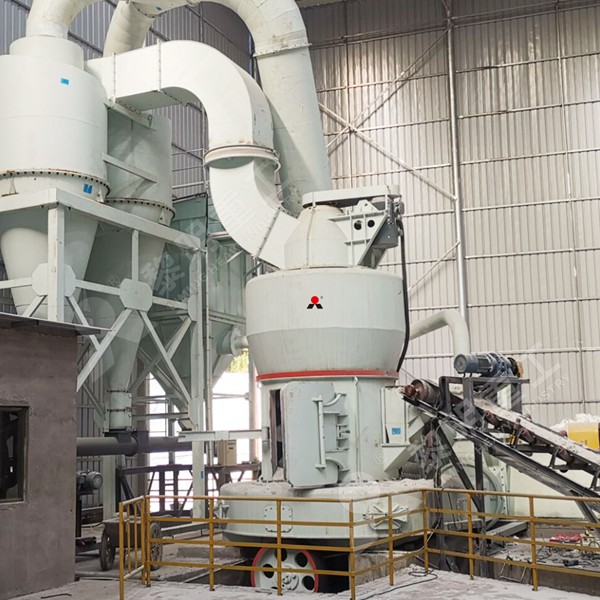
The core advantage of the Raymond Mill lies in its straightforward yet effective grinding mechanism. Material is fed into the grinding chamber where it is pulverized between rotating rollers and a stationary ring. The ground powder is then carried by an air stream to a classifier. Oversized particles are rejected and returned for further grinding, while product meeting the fineness target is conveyed to a cyclone collector. This closed-circuit system promotes efficiency and minimizes dust emissions. Our Raymond Mills are engineered for capacities ranging from 1.2 to 4.5 tons per hour, processing feed sizes of 15-25mm, making them suitable for medium-scale construction material production.
For larger-scale operations or projects demanding higher capacity, our MTW European Type Grinding Mill presents a significant upgrade. This mill builds upon the traditional Raymond mill design with patented technology that enhances stability, productivity, and energy efficiency. With a capacity range of 3 to 55 tons per hour, it is particularly committed to large-scale non-metallic mineral powder making. Its system—comprising the mill, separator, jaw crusher, feeder, and advanced pulse dust collector—forms a complete, environmentally compliant production line. This is especially valuable for power plant desulfurization using limestone powder and for producing large volumes of heavy calcium carbonate for the construction industry.
Beyond the classic Raymond and MTW mills, LIMING HEAVY INDUSTRY provides a full spectrum of grinding solutions. The LM Vertical Roller Mill integrates drying, grinding, powder selection, and conveying into a single unit, offering high capacity (10-400 T/H) for massive projects. For ultra-fine limestone powder applications requiring fineness up to 5μm, the MW Micro Powder Mill, which absorbs advanced Swedish grinding technology, is the optimal choice. Meanwhile, the traditional Ball Mill remains a reliable workhorse for various grinding tasks in beneficiation and construction material preparation. Selecting the right equipment depends on the desired fineness, required capacity, moisture content of the raw limestone, and overall plant design.
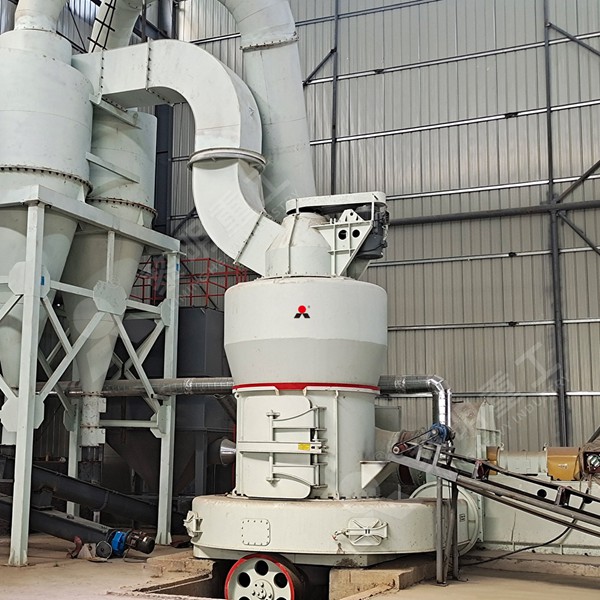
Operational efficiency and environmental stewardship are inseparable in modern construction material manufacturing. Our grinding systems are designed with this duality in mind. Features like closed-circuit air flow, high-efficiency classifiers that reduce over-grinding, and integrated pulse jet dust collectors ensure that production is not only cost-effective but also clean. The mills' robust construction and accessible design simplify maintenance, minimizing downtime—a critical factor for continuous production schedules. By leveraging our mature scientific research team and modern management systems, LIMING HEAVY INDUSTRY delivers Raymond Mills and related grinding technology that empower construction material producers to meet market demands reliably and sustainably.
Frequently Asked Questions (FAQ)
1. What is the typical fineness range achievable for limestone powder using a standard Raymond Mill?
Our Raymond Mills can produce limestone powder with a fineness adjustable between 44μm (325 mesh) and 613μm, allowing customization for various construction applications such as cement additive, asphalt filler, or dry-mix mortar.
2. Can your mills handle limestone with some inherent moisture?
Yes, our Raymond Mills are suitable for materials with humidity less than 6%. For limestone with higher moisture content, we recommend our LM Vertical Roller Mill, which integrates an efficient drying function within the grinding process.
3. What sets your MTW European Type Grinding Mill apart from a traditional Raymond Mill for large projects?
The MTW Mill incorporates patented technological upgrades that provide greater stability, higher productivity (up to 55 TPH), and improved energy efficiency. It is engineered as a complete system for large-scale, continuous powder production with enhanced environmental controls.
4. How do you ensure the production process meets environmental protection standards?
Our grinding systems are equipped with high-efficiency pulse jet dust collectors that form a closed-circuit air flow. This design effectively contains powder, minimizes emissions, and ensures compliance with national environmental standards for particulate matter.
5. What after-sales support accompanies your grinding equipment?
We provide comprehensive support including detailed installation guidance, operational training, and access to a global supply chain for genuine wear parts and components. Our technical team is committed to ensuring optimal performance and longevity of your investment.


