Published: June 12, 2025
Micro powder grinding mill for minerals is a medium-speed grinding machine designed to produce ultra-fine powder from non-metallic minerals. The MW Micro Powder Mill, developed by Liming Heavy Industry, is built on advanced Swedish grinding technology and delivers final fineness of d97 ≤ 5 μm, adjustable between 325 mesh and 3250 mesh. With a capacity range of 0.5 t/h to 25 t/h and an input size of 10–20 mm, this mill is used for calcium carbonate, gypsum, power plant desulfurization, non-metallic ore pulverizing, and pulverized coal preparation. Its closed grinding loop and pulse dust collector make it a cleaner alternative for large-scale mineral powder production.
What Is a Micro Powder Grinding Mill?
A micro powder grinding mill is not simply a smaller version of a conventional mill. It is designed for superfine grinding, which means the machine must control particle size distribution more precisely and handle finer output without sacrificing throughput. The MW Micro Powder Mill from Liming Heavy Industry is a medium-speed micro-grinding unit. It is suitable for non-flammable and non-explosive minerals with Mohs hardness below 7 and moisture below 6 percent.
This makes it a realistic option for mineral processors who need fine powders for fillers, coatings, papermaking, plastics, rubber, and building materials. The unit combines grinding, classification, and dust collection in one integrated system. In a typical line, a hammer crusher first reduces large lumps to the required size. An elevator then carries the crushed material to a hopper, and a vibrating feeder sends it into the mill at a controlled rate.
Key Technical Parameters
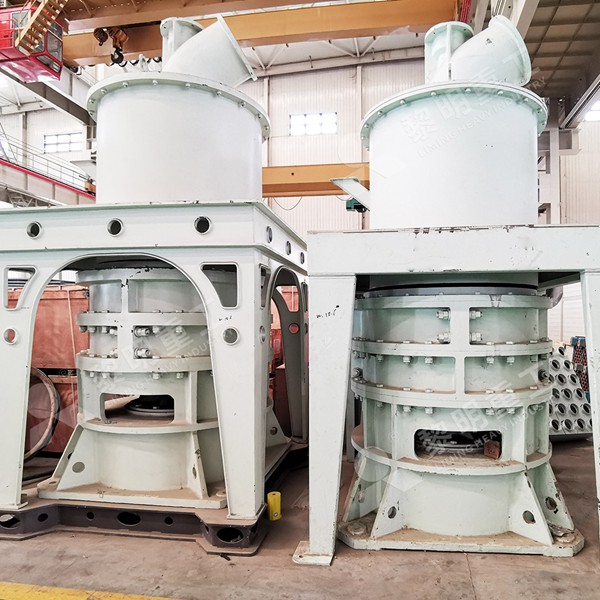
- Model: MW Micro Powder Mill
- Capacity: 0.5–25 t/h
- Input size: 10–20 mm
- Finished fineness: 325–3250 mesh, d97 ≤ 5 μm
- Suitable materials: calcium carbonate, gypsum, non-metallic ores, coal powder, desulfurization agent
- Environmental system: pulse dust collector, closed air circuit
The wide fineness adjustment range is an important feature. Operators can change the fineness by adjusting the classifier speed and airflow. This allows one grinding mill to serve several production lines or different product specifications without major equipment changes.
How the MW Micro Powder Mill Works
Inside the mill, the motor drives the main shaft and the upper turnplate through a reducer. The reducer drives dozens of rollers to rotate against the raceway of the ring through pins. Material drops from the feeding port to the center of the upper turnplate. Under centrifugal force, the material moves outward and falls into the grinding zone between the rollers and the ring raceway.
In that zone, the rollers press the material against the ring and crush it into fine powder. The ground material is carried upward by air flow. Particles that are fine enough pass through the classifier and move into the dust collector for recovery. Coarser particles fall back to the grinding table for another pass. The air flow returns to the blower and is reused, which is why the system can operate with lower dust leakage and a more stable internal atmosphere.
This kind of closed-loop operation is important for mineral processors. It reduces material loss and makes the plant easier to keep clean. The pulse dust collector, also called a pulse precipitator, captures fine particles that older open systems might release into the workshop.
Main Application Areas
Micro powder grinding mills are most valuable when the target product needs high surface area or fine particle size. Typical applications include:
- Calcium carbonate crushing and ultra-fine processing
- Gypsum powder crushing and production
- Power plant desulfurization powder preparation
- Non-metallic ore pulverizing, such as limestone, barite, talc, and kaolin
- Pulverized coal preparation for industrial boilers
In heavy calcium carbonate plants, for example, the mill can produce d97 ≤ 5 μm powder used in paper coating and plastic filler applications. In desulfurization systems, the mill provides fine limestone powder that reacts more efficiently with sulfur dioxide. Because the fineness is adjustable, the same machine can switch between 325 mesh for basic powder and much finer grades for specialty markets.
What Makes This Mill Different?
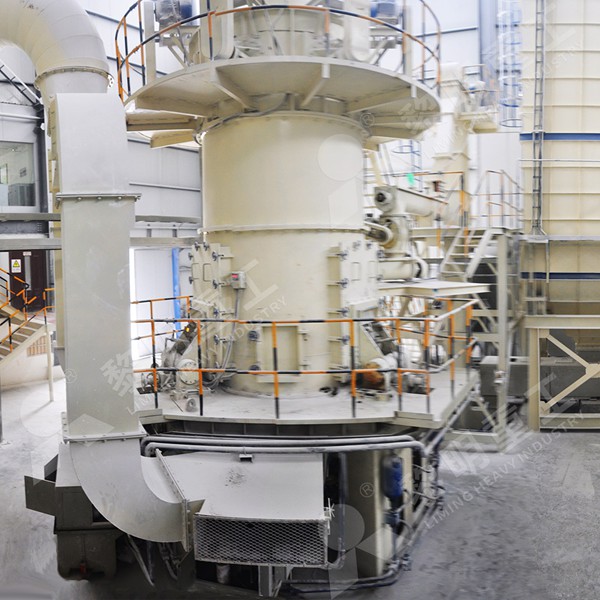
There are several reasons why a mineral processing team might choose a micro powder grinding mill over a traditional grinding system.
First, the output fineness is much higher than conventional roller mills. Conventional pendulum mills often stop around 44–613 μm. The MW Micro Powder Mill reaches into the micrometer range. Second, the automatic control system makes it easier to maintain stable product quality. Third, the closed system and pulse dust collector reduce dust emission, which helps plants meet environmental requirements without adding a separate baghouse.
Energy consumption is another factor. Because the mill uses a medium-speed grinding mechanism and recirculates air, it can be more efficient than a ball mill for fine and ultra-fine powder production. That is especially true when the target product is below 400 mesh.
Liming Heavy Industry Background
Liming Heavy Industry Co., Ltd. was founded in 1987 and mainly manufactures large and medium-sized crushing and grinding equipment. The company is a modern joint-stock corporation with research, manufacturing, and sales in one structure. Its headquarters is located in the HI-TECH Industry Development Zone of Zhengzhou and covers 80,000 square meters. Another workshop in Shangjie Industry Park covers 67,000 square meters.
Over the past thirty years, the company has focused on modern scientific management, precision manufacturing, and continuous innovation. That background matters for buyers because a grinding mill is a long-term investment. A mature engineering team and stable manufacturing base can make a real difference in parts availability, process support, and equipment reliability.
Selection and Maintenance Tips
Choosing a micro powder grinding mill starts with the material and the target powder. If the feed contains large lumps, a jaw crusher or hammer crusher must be placed before the mill. The mill itself is designed for an input size of 10–20 mm, so oversized material will reduce capacity and may damage the grinding parts.
Moisture control is another key point. Materials with moisture above 6 percent can cause clogging in the feeding system, classifier, or dust collector. A drying step or dry storage area is often necessary in humid climates.
During operation, operators should watch the current of the main motor, the pressure difference across the dust collector, and the fineness of the finished product. Regular lubrication of the rollers and reducer is essential. The grinding ring and rollers will wear over time, so spare parts should be checked during scheduled maintenance. The pulse dust collector bags should also be inspected and cleaned regularly.
For product changes, run a small test batch after adjusting the classifier speed. This avoids wasting material and helps identify the right settings for a new grade.
Final Thoughts
A micro powder grinding mill is a practical solution for mineral processors who need fine and ultra-fine powders with consistent quality. The MW Micro Powder Mill from Liming Heavy Industry combines high fineness, adjustable output, stable operation, and environmental protection in one machine. It works across a wide range of mineral applications, from calcium carbonate and gypsum to desulfurization powder and non-metallic ore pulverizing.
When selecting equipment, focus on the material hardness, feed size, moisture, required fineness, and capacity. With proper pre-crushing, moisture control, and regular maintenance, this type of mill can deliver reliable service for many years.
Frequently Asked Questions
1. What materials can a micro powder grinding mill process?
It can process non-flammable and non-explosive minerals with Mohs hardness below 7 and moisture below 6 percent. Common materials include calcium carbonate, gypsum, limestone, barite, talc, kaolin, and coal.
2. What is the maximum fineness of the MW Micro Powder Mill?
The mill can produce powder with d97 ≤ 5 μm. The fineness can be adjusted between 325 mesh and 3250 mesh, which makes it suitable for both ordinary fine powder and superfine powder markets.
3. What feed size does the mill require?
The recommended input size is 10–20 mm. Larger pieces must be crushed by a jaw crusher or hammer crusher before entering the mill.
4. Is the micro powder grinding mill environmentally friendly?
Yes. The system is equipped with a pulse dust collector and uses a closed air circulation loop. This design reduces dust emission and material loss compared with older open-type grinding systems.
5. How do I choose between a micro powder grinding mill and a conventional roller mill?
If your target powder is below about 400 mesh or requires d97 ≤ 5 μm, a micro powder grinding mill is the better choice. If you only need 44–613 μm powder and have higher feed moisture, a conventional roller mill may be more appropriate.


