Published on June 4, 2025
Vermiculite is a naturally occurring mica-like mineral that, when heated rapidly, expands into a lightweight, accordion-like particle with excellent thermal insulation and fire-resistant properties. If you are planning an insulation production line, the choice of vermiculite grinding mill directly affects expansion ratio, product uniformity and operating cost. Liming Heavy Industry Co., Ltd. provides a full line of grinding equipment for vermiculite insulation processing, including the LM vertical roller mill (10–400 t/h, 30–55mm feed), MTW European type trapezium mill (3–55 t/h, 30–50mm feed), Raymond mill (1.2–4.5 t/h, 15–25mm feed, 613–44 μm output), MW micro powder mill (0.5–25 t/h, 10–20mm feed, up to d97 ≤ 5 μm) and ball mill (0.65–50 t/h, ≤25mm feed). With integrated classification, environmental dust collection and low-energy grinding, Liming can help insulation manufacturers select the ideal mill based on capacity, target fineness, moisture content and site layout. This article provides a practical selection guide based on Liming's engineering experience.
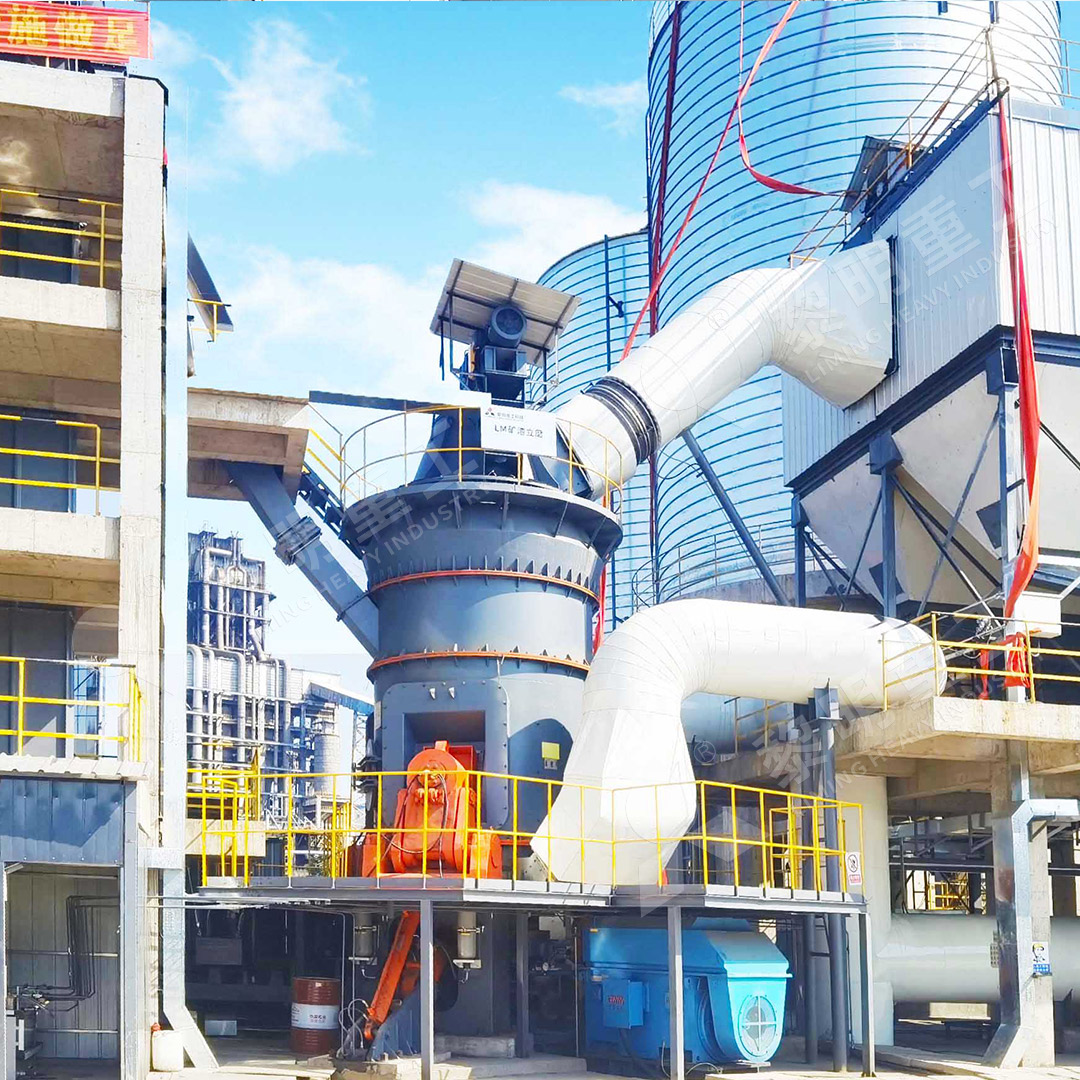
What Makes Vermiculite Grinding for Insulation Different?
Vermiculite ore is soft, layered and often contains surface moisture. Unlike hard quartz or granite, it does not require extremely high impact force to be reduced. What it does require is careful control of particle size and particle shape. Too coarse a particle can fail to expand uniformly; too fine a powder can blow away in the expansion furnace or create dust problems downstream. The ideal grinding system must therefore offer adjustable fineness, stable operation and efficient classification.
Expanded vermiculite is widely used in loose-fill wall insulation, fireproof coatings, lightweight concrete and refractory boards. In each of these applications, the particle size distribution of the milled vermiculite determines how the final material performs. That is why the grinding mill is not just a sizing machine; it is a quality control tool.
Key Factors to Consider When Choosing a Vermiculite Grinding Mill
- Capacity: For large-scale insulation board plants, the LM vertical roller mill or MTW European type trapezium mill is a common choice. For small pilot lines, the Raymond mill or MW micro powder mill may be enough.
- Fineness: Coarse vermiculite for loose-fill insulation can be produced with a Raymond mill or MTW mill. Ultra-fine vermiculite for high-performance coatings or paper insulation requires the MW micro powder mill.
- Moisture: Raw vermiculite can carry surface moisture. The LM vertical roller mill can dry and grind in one step, while Raymond and MTW mills work best with moisture below 6%.
- Environmental compliance: All Liming mills can be equipped with pulse dust collectors and closed-loop air systems to meet national emission standards.
Liming Heavy Industry's Vermiculite Grinding Equipment
Liming Heavy Industry was founded in 1987 and has since become a leading manufacturer of large and medium-sized crushing and grinding equipment. The company covers 80,000 m² at the headquarters in Zhengzhou and another 67,000 m² workshop in Shangjie Industry Park. With modern scientific management and a mature research team, Liming offers complete grinding solutions for the non-metallic mineral industry, including vermiculite.
LM Vertical Roller Mill
For insulation manufacturers who need high throughput and the ability to handle raw vermiculite with relatively high moisture, the LM vertical roller mill is the strongest option. It combines drying, grinding, powder selection and conveying in one unit. Capacity is 10–400 t/h and feed size is 30–55mm. The automatic electric control system makes operation simple, and the integrated separator ensures stable product fineness. The LM mill is especially suitable for non-metallic minerals, coal and slag, so it is well proven in large-scale powder making.
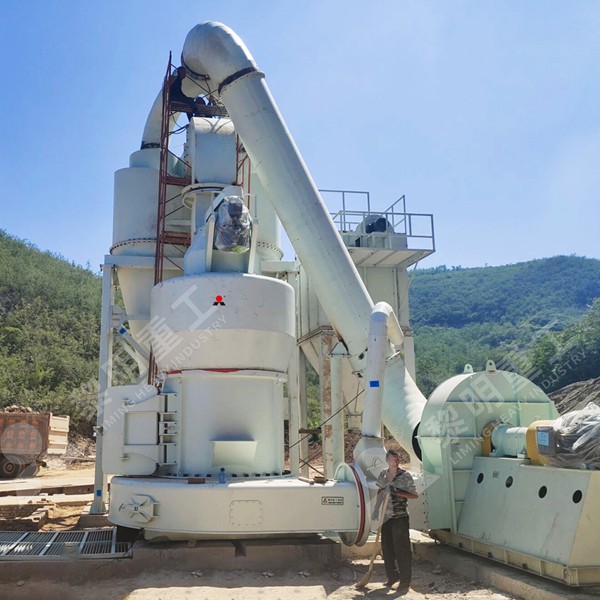
MTW European Type Trapezium Mill
The MTW European type trapezium mill is an upgraded version of the traditional Raymond mill and pendulum mill. It uses patented technology and is designed for large-scale non-metallic mineral powder making. Capacity is 3–55 t/h and feed size is 30–50mm. The grinding system consists of a mill, separator, air blower, jaw crusher, vibrating feeder, hopper, dust collector, pipe, powder collector and electric cabinet. In a closed-circuit system, material is crushed to size, fed evenly, ground between the ring and rollers, then classified. Oversize particles fall back for another pass, while qualified powder is collected. This mill is a strong candidate for vermiculite insulation plants with medium to high capacity and clear particle size requirements.
Raymond Mill
When production is smaller or the plant already has a pre-crushing stage, the Raymond mill is a proven and economical grinding option. It handles materials of Mohs hardness under 7 and moisture under 6%, which includes raw vermiculite in most cases. Its output fineness ranges from 613 μm to 44 μm, making it suitable for medium-fine vermiculite powder used in insulation plasters and boards. Capacity is 1.2–4.5 t/h, and input size is 15–25mm.
MW Micro Powder Mill
For ultra-fine vermiculite powder, the MW micro powder mill is the most advanced option. It absorbs Swedish grinding technology and can produce finished products up to d97 ≤ 5 μm, with fineness adjustable from 325 mesh to 3250 mesh. Capacity is 0.5–25 t/h and feed size is 10–20mm. When insulated panels require a very smooth surface or a compact filler, this mill delivers the controlled fineness needed. It also includes a pulse precipitator, making the operation cleaner and more environmentally friendly.
Ball Mill
The ball mill remains a versatile and reliable option for vermiculite grinding, especially when the material needs further milling after initial crushing. It is a horizontal rotating device driven by an outer gear. Material enters the grinding chamber through the quill shaft and is impacted and ground by steel balls of different specifications. It can process all kinds of ores and other materials, with capacity from 0.65 to 50 t/h and feed size up to 25mm. In insulation production, a ball mill is often used where a simple, robust process is preferred and the mill will run continuously on medium-hard materials.
How a Complete Vermiculite Grinding Line Works
In a typical Liming vermiculite grinding line, large vermiculite lumps are first crushed by a jaw crusher to the required size. The crushed material is then transported to the mill through a vibrating feeder or belt. Inside the mill, rollers or grinding balls reduce the particles into powder. The air flow carries the powder to the separator, where particles that are too coarse fall back for another pass. Fine particles continue to the dust collector and are collected as finished product. This closed-loop design saves energy and controls dust, which is especially important in insulation plants.
Selecting the Right Mill for Your Insulation Project
Let's be honest: choosing a grinding mill is not always straightforward. From my experience, the wrong way to select a vermiculite grinding mill is to start with the cheapest option. The right way is to define three numbers first: required capacity, target fineness and raw material moisture. Once those are clear, the equipment range narrows quickly.
- If you need above 10 t/h and have variable moisture, choose the LM vertical roller mill.
- If you need 3–55 t/h and prefer a classic roller mill structure with high efficiency, choose the MTW European type trapezium mill.
- If your project is small and you need 44–613 μm powder, the Raymond mill is a practical choice.
- If your product demands ultra-fine powder, choose the MW micro powder mill.
- If you want a simple rotating drum design and do not have strict fineness distribution requirements, the ball mill can work well.
Why Liming Heavy Industry Stands Out
Liming Heavy Industry Co., Ltd. was founded in 1987 and has specialized in crushing and grinding equipment for more than 30 years. The company's headquarter is located in the HI-TECH Industry Development Zone of Zhengzhou and covers 80,000 m²; another workshop in Shangjie Industry Park covers 67,000 m². Liming combines research, manufacturing and sales, and persists in using modern scientific management and precision manufacturing. For vermiculite grinding, this means you get not just a machine, but a complete process solution, including pre-crushing, conveying, dust collection, electrical control and after-sales support.
FAQ
Can a Raymond mill be used to grind vermiculite for insulation?
Yes. The Raymond mill can process vermiculite as long as the material moisture is below 6% and the hardness is below 7 on the Mohs scale. It is a dependable option for small and medium capacities, producing powder between 613 μm and 44 μm.
What is the difference between the LM vertical roller mill and the MTW trapezium mill for vermiculite?
The LM vertical roller mill has a much larger capacity range of 10–400 t/h and can dry material inside the mill, so it suits large, high-moisture projects. The MTW trapezium mill has a capacity of 3–55 t/h and is designed for efficient medium to large fine powder production with lower energy consumption.
Does vermiculite need to be dried before grinding?
It depends on the moisture content. If using a Raymond, MTW or micro powder mill, a dryer or pre-drying step may be necessary because these mills work best with moisture below 6%. The LM vertical roller mill can handle higher moisture by integrating drying with grinding.
Can your mills produce ultra-fine vermiculite powder for high performance insulation materials?
Yes. The MW micro powder mill can produce ultra-fine powder with fineness adjustable between 325 mesh and 3250 mesh, and a product fineness of d97 ≤ 5 μm. This is ideal for high-value insulation coatings, thin insulation sheets and composite materials.
What kind of after-sales support does Liming provide for a vermiculite grinding plant?
Liming provides complete project support, including process design, equipment selection, installation guidance, commissioning, operator training and spare parts supply. We also help customers fine-tune the grinding system to meet the exact particle size and capacity required for their insulation products.


