Mica grinding is a critical step in producing mica powder for plastic filler. Plastic makers use mica powder to improve mechanical strength, heat resistance, dimensional stability, and dielectric performance. Liming Heavy Industry Co., Ltd., founded in 1987, is a modern joint-stock company that researches, manufactures, and sells large and medium-sized crushing and grinding equipment. Its headquarters in Zhengzhou covers 80,000 m², and its workshop in Shangjie Industry Park covers another 67,000 m². For plastic filler projects, Liming offers LM Vertical Roller Mill, MTW European Type Trapezium Mill, Raymond Mill, MW Micro Powder Mill, and Ball Mill. These machines cover capacities from 0.5 T/H to 400 T/H, input sizes from 10mm to 55mm, and fineness ranges from 613 μm down to d97 ≤ 5 μm. This article explains how mica grinding mills work and how to choose the right one for plastic filler production.
Why Mica Powder Matters in Plastic Filler
Plastics are often filled with mineral powders to reduce cost or enhance properties. Mica is a natural silicate mineral that forms flat plates. When plastics are compounded with mica powder, those flat plates improve stiffness, dimensional stability, heat resistance, and electrical insulation. They also create a barrier that slows the passage of gas and moisture. The key to getting these benefits is maintaining the plate-like shape. A grinding mill must be able to break mica without destroying its lamellar structure. This is why separator design and operation speed are as important as the grinding force. A mica grinding mill for plastic filler should produce a consistent particle size distribution with a minimum amount of ultra-fine dust.
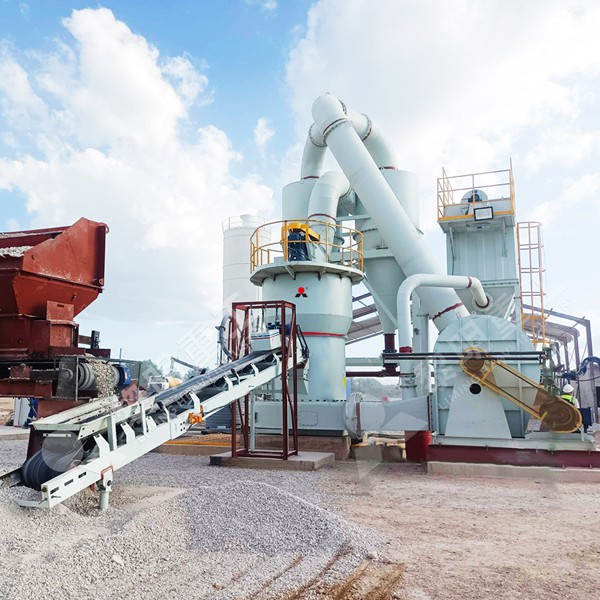
Liming Grinding Mills for Mica Filler
LM Vertical Roller Mill
The LM Vertical Roller Mill is Liming's large-scale solution for mica powder production. It uses a new milling device and an automatic electric control system. The mill integrates drying, grinding, powder selection, and conveying in one unit. It handles 10-400 T/H with an input size of 30-55mm. This is the machine to choose when a plastic filler plant needs continuous supply and large tonnage. The vertical design saves floor area and lowers energy consumption. It also allows operators to dry moderate moisture inside the mill, which is a real advantage when raw mica comes from a quarry with surface water.
MTW European Type Trapezium Mill
For medium-scale projects, the MTW European Type Trapezium Mill is a practical upgrade of the traditional Raymond and pendulum mills. It uses patented technology and is designed for high productivity, stable performance, and environmental protection. The capacity range is 3-55 T/H with an input size of 30-50mm. In the MTW grinding line, a jaw crusher breaks large mica blocks, a hopper receives the crushed material, and a variable-frequency belt feeder sends it into the mill. The material is ground between the ring and rollers. A separator returns coarse particles for another pass, while fine powder moves to the collector. The air is recycled in a closed loop with a pulse dust collector. For mica filler at 80-600 mesh, MTW offers a stable and clean operating environment.
Raymond Mill
Small operations often choose the Raymond Mill because it is simple, proven, and easy to maintain. It processes 1.2-4.5 T/H with an input size of 15-25mm. The output fineness is between 613 μm and 44 μm, which is approximately 30-325 mesh. The mill is suitable for non-flammable and non-explosive materials with a Mohs hardness below 7 and a moisture content below 6%. For a pilot line or a small plastic filler plant, a Raymond Mill can be an ideal entry point. It produces usable mica powder without requiring a complex system.
MW Micro Powder Mill
When the plastic filler specification calls for very fine mica powder, the MW Micro Powder Mill becomes the most relevant machine. It is a medium-speed micro-grinding mill that can produce powder with d97 ≤ 5 μm. The fineness can be adjusted between 325 mesh and 3250 mesh. Capacity is 0.5-25 T/H with an input size of 10-20mm. The motor drives the main shaft and turn plate through a reducer. The turn plate carries rollers that rotate against the ring raceway. Material fed to the center of the upper turn plate moves outward by centrifugal force and is crushed in the gap. A pulse precipitator captures dust and keeps the plant clean. If your customers need top-quality mica filler for engineering plastics, MW is the right route.
Ball Mill
The Ball Mill is another versatile grinding tool in Liming's product range. It is commonly used in beneficiation, construction, and chemical industries. It can grind mica when combined with a classifier. Capacity is 0.65-50 T/H with an input size of ≤25mm. The mill is a horizontal rotating device driven by the outer gear. Steel balls are lifted by the barrel and then fall to impact and grind the material. For plastic filler applications, a ball mill can be used to produce fine powder. However, if preserving the flaky shape of mica is critical, a vertical roller mill or trapezium mill is often a better choice. Ball mills are best suited for plants that already process other minerals and need flexibility.
How to Choose the Right Mica Grinding Mill
To choose the right mica grinding mill, start with the product specification. General-purpose plastic fillers often require 200-325 mesh. High-end engineering plastics may require 1250 mesh or finer. If the target is above 325 mesh, pay special attention to the MW Micro Powder Mill. If the project needs high capacity, the LM Vertical Roller Mill is the strongest candidate. If the production rate is medium and the budget is balanced by performance, the MTW mill offers a good fit. For small capacity, the Raymond Mill is the most straightforward.
Next, verify the feed size and moisture. Most Liming mills accept crushed mica from 10mm to 55mm. Raw ore larger than that must go through a jaw crusher first. If the mica has moisture above 6%, either install a drying step or choose the LM vertical mill, which can dry while grinding. A complete grinding line also includes a bucket elevator, hopper, vibrating feeder, dust collector, pipes, and electric cabinet. The automatic control system makes the process repeatable and stable.
Finally, think about environmental compliance. Dust emission is one of the biggest concerns in a mineral grinding plant. Liming's pulse dust collector and closed air circulation reduce dust escape. This helps with permits and creates a safer workplace.
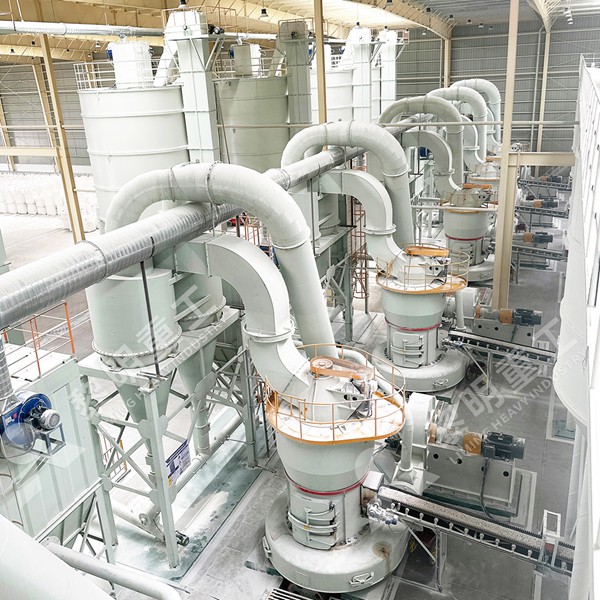
Process Flow and Environmental Control
Regardless of the mill type, the general process flow is similar. Run-of-mine mica is first reduced by a jaw crusher. The crushed material is lifted by a bucket elevator and stored in a hopper. A vibrating or variable-frequency feeder sends the material into the grinding mill at a controlled rate. Inside the mill, rollers or balls grind the mica. The air flow carries the powder to a separator. Coarse particles are rejected and returned for another grind. Fine powder is collected as finished product. The air passing through the separator goes back to the blower for recycling. This closed system reduces the loss of material and keeps the environment clean.
Quality Considerations
Mica filler quality is judged by particle size distribution, aspect ratio, moisture content, and purity. A high-precision separator is essential. It removes coarse particles that could weaken the plastic product. It also limits the amount of over-grinding, so the mica retains its plate shape. With the right mill, an operator can adjust the fineness by changing the classifier speed. The result is a consistent powder for plastic compounding.
Conclusion
Selecting a mica grinding mill for plastic filler is not a one-size-fits-all decision. Capacity, fineness, moisture, and environmental requirements all play a role. Liming Heavy Industry has more than 30 years of experience in manufacturing grinding equipment. Its product range covers small, medium, and large production lines. By matching the right mill to the project plan, you can produce stable mica powder that meets the demands of plastic compounders.
Frequently Asked Questions
What is the best Liming mill for mica powder used as plastic filler?
The best choice depends on the target fineness and capacity. For ultra-fine mica, the MW Micro Powder Mill is the best fit. For high-capacity integrated lines, the LM Vertical Roller Mill is recommended. MTW and Raymond are good for medium and small capacities respectively.
What fineness should mica be for plastic filler?
General-purpose plastic fillers often use 200 to 400 mesh. High-performance plastics may need 1250 mesh or 3000 mesh. The MW mill can reach d97 ≤ 5 μm, which is suitable for demanding applications.
Can Liming mills handle wet mica ore?
The LM Vertical Roller Mill can dry materials while grinding. The other Liming mills normally require a moisture content below 6%. If the raw ore is wet, use a pre-drying step or choose a system with drying capability.
Is the mica grinding process environmentally friendly?
Yes. Liming grinding systems include pulse dust collectors, closed-loop air flow, and efficient separation. They are designed to meet national environmental protection standards and reduce dust emission in the plant.
What auxiliary equipment is needed for a mica grinding line?
A complete line usually includes a jaw crusher, bucket elevator, hopper, vibrating feeder, grinding mill, separator, dust collector, powder collector, electric cabinet, and motors. Liming can configure the full system for the required capacity and fineness.


