Published:
Iron ore pelletizing converts iron ore concentrate into uniform pellets for use in blast furnaces and direct reduction processes. Grinding is a core step because it determines the particle size and surface area of the pellet feed. A properly selected iron ore grinding mill for pelletizing ensures stable operation, lower binder consumption, and higher pellet quality. This article summarizes the key requirements and equipment solutions for iron ore grinding, drawing on the product line and engineering experience of Liming Heavy Industry. The company has manufactured grinding equipment since 1987 and offers mills with capacities from 0.5 t/h to 400 t/h, input sizes from 10 mm to 55 mm, and fineness ranges from coarse grinding to superfine powder. The range includes LM vertical roller mills, Raymond mills, MTW European type trapezium mills, MW micro powder mills, and ball mills.
Why Grinding Is Critical in Iron Ore Pelletizing
Iron ore pellets are made from fine concentrate that must have a large surface area and smooth, consistent particle size distribution. Finer particles create more contact points and stronger capillary forces, which help form green balls with good mechanical strength. In most pelletizing plants, the target feed fineness is 80% to 90% passing 325 mesh, or approximately 45 microns. A stable grinding process also reduces return fines and improves the performance of the balling disc or drum. When the feed is too coarse or uneven, pellets can crack, collapse, or exhibit poor uniformity during induration.
Key Challenges in Iron Ore Grinding for Pelletizing
- Hardness and abrasiveness: Iron ore is often hard and highly abrasive, causing wear on grinding media and mill components.
- Moisture: Some ores contain surface moisture that can cause handling problems, so drying is often required.
- Fineness control: The mill must produce a consistent particle size distribution without over-grinding.
- Energy consumption: Comminution is energy intensive, so efficient equipment lowers operating expenses.
- Environmental compliance: Dust, noise, and emissions must be controlled to meet modern standards.
Grinding Mill Solutions for Iron Ore Pelletizing
Liming Heavy Industry provides a complete range of grinding mills for different pelletizing plant scales and process conditions.
LM Vertical Roller Mill
The LM vertical roller mill combines drying, grinding, classifying, and conveying in one unit. It handles feed sizes from 30 to 55 mm and capacities from 10 to 400 t/h. In pelletizing plants, the LM mill is particularly useful for dry grinding and for preparing auxiliary materials such as limestone for fluxed pellets or solid fuels for induration burners. The automatic electric control system stabilizes the grinding bed, while the integrated gas-swept design removes moisture and prevents material buildup. This makes it a strong choice for large-scale production lines.
Raymond Mill
The Raymond mill is widely used for grinding non-flammable and non-explosive materials with Mohs hardness below 7 and moisture under 6%. It produces fineness between 613 microns and 44 microns, with capacities from 1.2 to 4.5 t/h and feed sizes from 15 to 25 mm. For iron ore pelletizing, Raymond mills are often selected for small additive grinding operations, such as reducing limestone, gypsum, or bentonite. The compact footprint and proven reliability make it useful for smaller plants or auxiliary process lines.
MTW European Type Trapezium Mill
The MTW European type trapezium mill is an upgraded version of the traditional Raymond mill and pendulum mill. It is designed for high productivity, energy saving, and environmental protection. The mill accepts feed up to 50 mm and delivers capacities from 3 to 55 t/h. In a pelletizing plant, the MTW mill is commonly used to grind fluxes and additives like limestone, dolomite, and bentonite. Its internal separator and closed-air system help maintain fineness stability while the pulse dust collector ensures clean operation.
MW Micro Powder Mill
The MW micro powder mill is intended for ultra-fine grinding. It can produce powders from 325 mesh to 3250 mesh, with capacities from 0.5 to 25 t/h and feed sizes from 10 to 20 mm. For pelletizing applications, this mill is suitable for producing fine limestone powder, desulfurization agents, or specialty additives. The design incorporates advanced grinding technology and a pulse precipitator, which makes the production process greener and more compliant with environmental limits.
Ball Mill
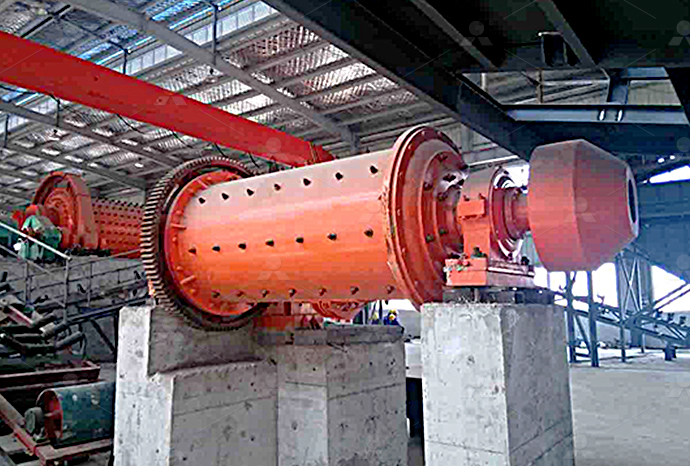
The ball mill is a conventional and reliable grinding machine widely used in beneficiation and mineral processing plants. It is a horizontal rotating device with steel balls of different sizes inside the grinding chamber. Material is crushed by the impact and abrasion of the balls as the drum rotates. The ball mill accepts feed sizes up to 25 mm and offers capacities from 0.65 to 50 t/h. For iron ore pelletizing, ball mills are often placed in closed circuit with hydrocyclones or classifiers to achieve a controlled pellet feed fineness. This is a safe and proven solution, especially for ores with high hardness or a high Bond work index.
Selection Criteria for an Iron Ore Grinding Mill
There is no universal grinding mill that fits every iron ore pelletizing plant. The following factors should be evaluated before selecting equipment:
- Ore characteristics: hardness, abrasiveness, moisture content, and feed size determine the mill type and power requirement.
- Target fineness: pellet feed usually needs 80% to 90% passing 325 mesh, but specific Blaine surface area targets must be confirmed.
- Plant capacity: the selected grinding machine must match the pelletizing line throughput and allow for future expansion.
- Drying requirement: ores with high surface moisture often need a mill that can integrate hot gas drying, such as the LM vertical roller mill.
- Energy efficiency and emissions: modern grinding systems should include closed-loop classification and dust collection to meet environmental regulations.
- Maintenance and wear: abrasiveness of iron ore affects wear life, so the mill manufacturer must offer durable materials and easy maintenance access.
Complete Grinding System Integration
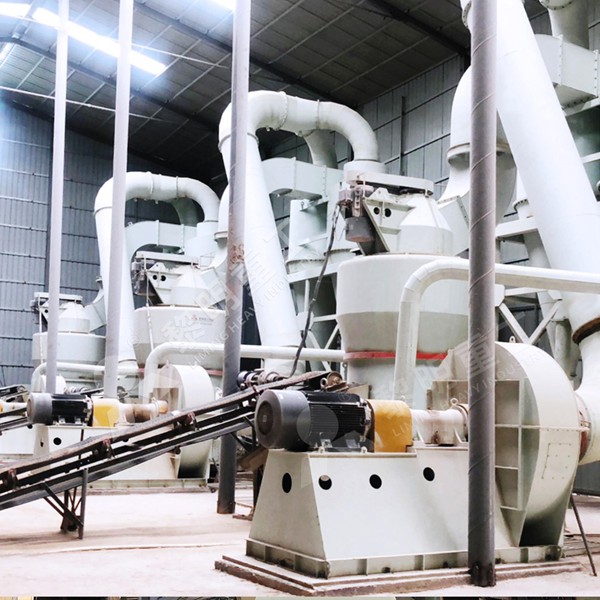
A complete iron ore grinding line for pelletizing usually includes a jaw crusher, vibrating feeder, hopper, variable-frequency belt feeder, grinding mill, separator, air blower, dust collector, pipe system, powder collector, and electric control cabinet. The material is first crushed to a size accepted by the mill. A variable-frequency feeder delivers the ore evenly into the grinding chamber. After grinding, the pneumatic or mechanical classifier returns oversize particles for further grinding, while fine powder is collected as finished product. The air flow in systems such as the MTW trapezium mill is recycled in a closed loop, reducing energy loss. Pulse jet dust collectors capture fine particles and support clean production.
Conclusion
Selecting the right iron ore grinding mill for pelletizing is a technical decision that affects pellet quality, energy use, and plant reliability. Iron ore pelletizing requires a consistent and fine product, and the grinding circuit must be designed around the ore type, moisture level, throughput, and environmental requirements. Liming Heavy Industry offers a broad range of equipment, from large capacity LM vertical roller mills to proven ball mills and auxiliary additive grinding mills. With more than 30 years of manufacturing experience and a modern production base, the company is capable of providing integrated grinding solutions for pelletizing plants. By matching the mill to the process, operators can achieve stable performance and high-quality iron ore pellets.
Frequently Asked Questions
What is the ideal fineness for iron ore pellet feed?
Most iron ore pelletizing plants target a fineness of 80% to 90% passing 325 mesh, or about 45 microns. Some operations also use Blaine specific surface area as a more direct measurement of grindability and pellet quality.
Which grinding mill is best for a small iron ore pelletizing plant?
For small pellet plants, a ball mill is often used for main iron ore grinding because it is reliable and easy to control. Raymond mills and MW micro powder mills can be used for additive grinding, such as limestone or bentonite, depending on the required fineness.
Can a vertical roller mill dry iron ore while grinding?
Yes. The LM vertical roller mill is designed to use hot air to dry and convey the material. This combines drying, grinding, classification, and conveying in one unit, which simplifies the process and reduces auxiliary equipment.
How does grinding affect the quality of iron ore pellets?
Finer and more uniform grinding increases the particle surface area and promotes stronger bonding in green pellets. This reduces binder consumption, improves shock temperature, and helps the pellets withstand handling and induration.
Does Liming Heavy Industry provide complete iron ore pelletizing grinding systems?
Yes. Liming Heavy Industry can supply a complete grinding circuit, including crushers, vibrating feeders, hoppers, mills, dust collectors, blowers, powder collectors, and control systems. The company helps configure the system according to the ore characteristics and desired pellet feed quality.


