Published: April 27, 2026
Bauxite grinding is the heart of every alumina refinery. The raw ore must be reduced to a fine, reactive powder before the Bayer process can extract alumina efficiently. Selecting the right grinding mill is a strategic decision that affects extraction efficiency, energy consumption, maintenance schedules, and the environmental footprint of the entire plant. This article summarizes why bauxite grinding matters, how to choose the right mill, and which Liming Heavy Industry solutions are suitable for aluminum production.
Why Bauxite Grinding Matters in the Aluminum Value Chain
Aluminum does not exist freely in nature; it is locked inside bauxite ore as alumina hydrates such as gibbsite, boehmite, and diaspore. The journey from ore to aluminum metal begins with grinding. In the Bayer process, finely ground bauxite is mixed with hot caustic soda under pressure. Smaller particles expose more surface area for the reaction. If the ore is too coarse, the reaction is slow and incomplete, leaving alumina in red mud. If it is ground too finely, the slurry becomes difficult to handle and energy consumption rises. The ideal mill produces a balanced particle size distribution with an appropriate top size and a minimum of ultra-fines. Bauxite is also abrasive, containing hard oxides and quartz-like impurities that can wear out grinding media quickly. Mechanical design, material selection, and maintenance access therefore matter as much as throughput rating.
Key Selection Criteria for Bauxite Grinding Mills
From my conversations with alumina plant managers, there is no universal 'one-size-fits-all' machine. The selection process usually comes down to five questions: required throughput, feed moisture, target fineness, ore abrasiveness, and environmental goals. For large greenfield refineries, a vertical roller mill is often the first choice because it combines drying, grinding, and classification. For medium-sized plants, an MTW European trapezium mill offers a proven, low-maintenance alternative. For smaller operations, a ball mill remains a reliable workhorse. And when superfine powder is needed, a micro powder mill can go down to micron levels.
Liming Heavy Industry: A Trusted Name in Grinding
Liming Heavy Industry Co., Ltd. has designed and manufactured crushing and grinding equipment since 1987. With its headquarters in Zhengzhou and an additional workshop in Shangjie Industry Park, the company has grown into a leader in the domestic and overseas machinery industry. Its scientific research strategy focuses on product competitiveness and continuous innovation. For bauxite grinding, Liming offers several complementary solutions. Let me walk you through each one.
LM Vertical Roller Mill
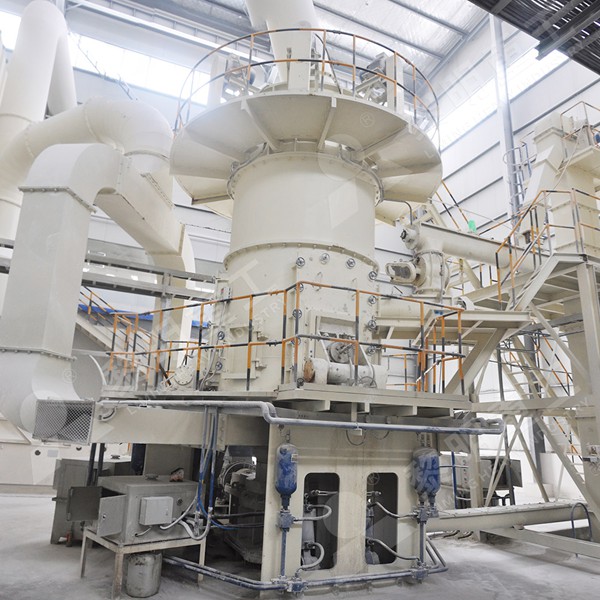
If you need a high-capacity system and the feed contains moisture, the LM vertical roller mill deserves attention. It integrates drying, grinding, powder selection, and conveying in one automatic process, eliminating the need for a separate dryer. With a capacity of 10 to 400 tons per hour and an input size of 30 to 55 millimeters, it is well suited for large-scale bauxite preparation. It is widely used in cement, metallurgy, chemical, and non-metallic mineral industries. In aluminum production, the LM mill can grind bauxite while utilizing process hot gases for simultaneous drying.
MTW European Type Trapezium Mill
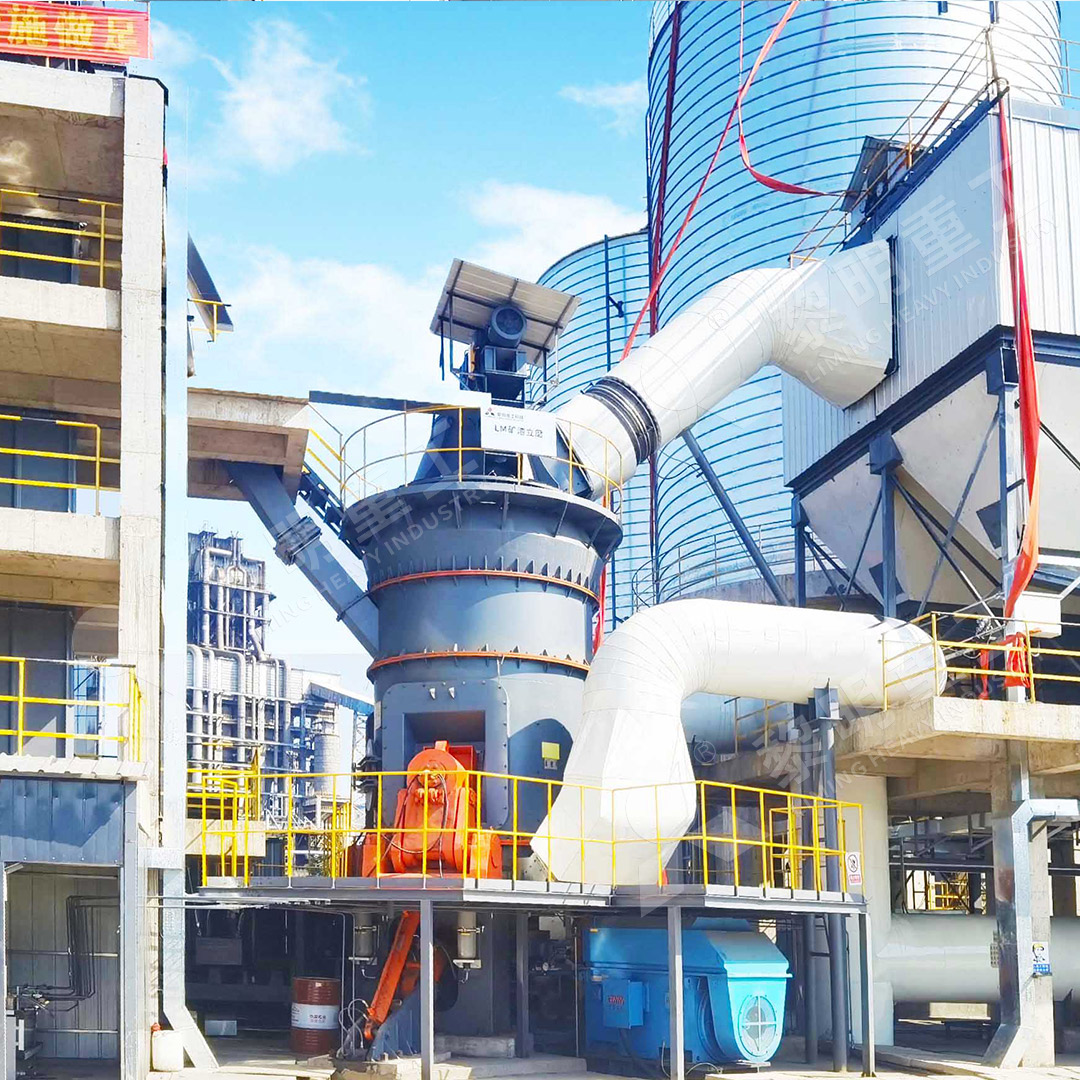
The MTW European Type Trapezium Mill is an upgrade of the traditional Raymond mill and pendulum mill. It carries patented technology and a strong focus on productivity and environmental protection. For bauxite, the MTW mill offers 3 to 55 tons per hour capacity and accepts input sizes up to 30 to 50 millimeters. The grinding line includes a mill, separator, air blower, jaw crusher, vibrating feeder, hopper, dust collector, pipes, powder collector, electric cabinet, and motors. Material is fed evenly, ground between the ring and rollers, and carried upward by air flow. Oversized particles fall back for further grinding. This closed-loop system uses a pulse dust collector that meets national environmental standards.
Raymond Mill
For smaller bauxite processing lines, the classic Raymond mill is still a dependable choice. It suits non-flammable and non-explosive materials with a Mohs hardness under 7 and humidity below 6%. Output fineness ranges from 613 to 44 micrometers. The Raymond mill handles 1.2 to 4.5 tons per hour with an input size of 15 to 25 millimeters, making it a good option for secondary grinding or small refineries.
MW Micro Powder Mill
If your process demands superfine bauxite powder, the MW micro powder mill is the specialist. It produces finished products down to d97 ≤ 5 micrometers, with fineness adjustable between 325 mesh and 3250 mesh. Capacity ranges from 0.5 to 25 tons per hour with an input size of 10 to 20 millimeters. Material is crushed, elevated, and ground between rollers and the ring raceway. A built-in pulse precipitator keeps the process green and environmentally friendly.
Ball Mill
The ball mill is the classic grinding workhorse. It grinds all kinds of ores, including bauxite, and has a capacity of 0.65 to 50 tons per hour with an input size no more than 25 millimeters. In operation, the horizontal rotating barrel lifts steel balls, which impact and grind the material. The ground product is then discharged through the discharge board. The ball mill is loved for its simplicity, reliability, and adaptability.
Choosing the Right Bauxite Grinding Solution
How do you translate these options into a decision? For a large alumina refinery, the LM vertical roller mill is often the best starting point. For replacing an old mill or expanding capacity, the MTW trapezium mill provides a balanced combination of throughput and fineness. For small workshops, the Raymond mill offers easy operation. For refractory-grade bauxite, the MW micro powder mill opens the door to ultra-fine applications. And for straightforward processing, the ball mill never disappoints. No mill operates in isolation. Liming designs complete grinding lines, so you do not need to worry about mismatched components.
Environmental and Operational Benefits
Modern bauxite grinding is not only about production numbers. Environmental compliance is a major driver in equipment selection. Liming’s systems use pulse dust collectors and closed-loop air circulation to reduce emissions and keep the workshop clean. The vertical roller mill and MTW mill are especially effective at combining grinding and drying, reducing fuel consumption. Automatic control also stabilizes the process and lowers the operator’s workload.
Conclusion
Bauxite grinding is demanding, but the right mill turns it into a smooth and efficient step in aluminum production. Liming Heavy Industry has spent more than three decades refining grinding technology, from the LM vertical roller mill to the ball mill and the MW mill. If you are planning a bauxite grinding line, focus on capacity, fineness, moisture, abrasiveness, and environmental requirements. The right mill will reward you with years of trouble-free operation.
Frequently Asked Questions
1. What is the best bauxite grinding mill for a large alumina refinery?
For large refineries, the LM vertical roller mill is often the best choice because it offers a capacity up to 400 tons per hour, integrates drying and grinding, and reduces the grinding station footprint.
2. Can a ball mill grind bauxite for the Bayer process?
Yes. A ball mill can grind bauxite effectively, especially when the feed is already relatively fine. It is reliable and simple for medium and small plants, though it may consume more energy per ton than a vertical roller mill.
3. What fineness does bauxite need for aluminum production?
The target fineness depends on bauxite type and digestion conditions. Many plants aim for a product where most passes a 100-mesh screen, but some processes require finer material. Raymond and MTW mills adjust fineness between 44 and 613 micrometers, while the micro powder mill can go below 5 micrometers.
4. Does Liming Heavy Industry provide complete bauxite grinding lines?
Yes. Liming can supply the complete system including jaw crusher, vibrating feeder, hopper, mill, separator, air blower, dust collector, piping, electric cabinet, and powder collector. This integrated approach ensures smooth operation.
5. How does the MTW mill help with environmental protection?
The MTW mill operates in a closed-loop system. Air and powder are recycled, and the pulse dust collector captures fine dust before it can escape. This design complies with national environmental standards and keeps the plant clean.


