Published: March 21, 2025
For cable compound producers, dolomite powder is not just a mineral filler. It is a functional ingredient that can influence insulation resistance, heat aging, mechanical strength, and surface quality. The right dolomite grinding mill makes the difference between a powder that meets tight cable specifications and one that creates quality problems. This article explains the key requirements for cable-grade dolomite powder and gives a practical overview of Liming Heavy Industry grinding solutions, from small Raymond mills to high-capacity LM vertical roller mills and ultra-fine MW micro powder mills.
Why Dolomite Is Used in Cable Compound
Dolomite is a natural double carbonate of calcium and magnesium. It is relatively soft, bright, and chemically stable. In cable compounds, dolomite powder improves dimensional stability, heat resistance, and processability. It also helps cable jackets resist abrasion and weathering. However, cable manufacturing is not like general powder filling. Concentricity, surface smoothness, and electrical performance depend on the particle size distribution of the mineral filler. If the dolomite is too coarse, it can reduce elongation and create high spots on the cable surface. If it is too fine, it can increase compound viscosity and make processing more difficult.
That is why the grinding stage matters. A reliable dolomite grinding mill should produce powder with the target fineness, narrow particle size distribution, and stable output over time. It should also be easy to adjust when the cable compound recipe changes.
What to Consider in a Dolomite Grinding Mill
Before selecting a mill, it is useful to evaluate five points:
- Fineness range. Cable fillers often require 325 mesh to 1250 mesh, while premium compounds go finer. This means the grinding mill should be able to adjust the classifier speed and output fineness easily.
- Throughput. A cable compound plant may need anywhere from a few hundred kilograms to dozens of tons of dolomite powder per hour. Choosing a mill that is correctly sized prevents bottlenecks and excessive energy use.
- Drying capacity. Dolomite can arrive with moisture. Some mills can dry and grind in one step, which simplifies the process.
- Environmental control. Dust collection and closed-circuit operation are essential in modern grinding plants.
- Wear and reliability. Dolomite is abrasive enough that grinding parts should be robust. Liming machines are built with wear-resistant materials and designed for long service life.
Liming Heavy Industry Grinding Mills for Dolomite
Since 1987, Liming Heavy Industry has focused on large and medium-sized crushing and grinding equipment. We are a research, manufacturing, and sales company with headquarters in Zhengzhou and a modern workshop in Shangjie Industrial Park. Our grinding mills are used around the world in non-metallic mineral processing, power plant desulfurization, cement, and chemical industries. The following products are especially relevant to dolomite grinding for cable compound.
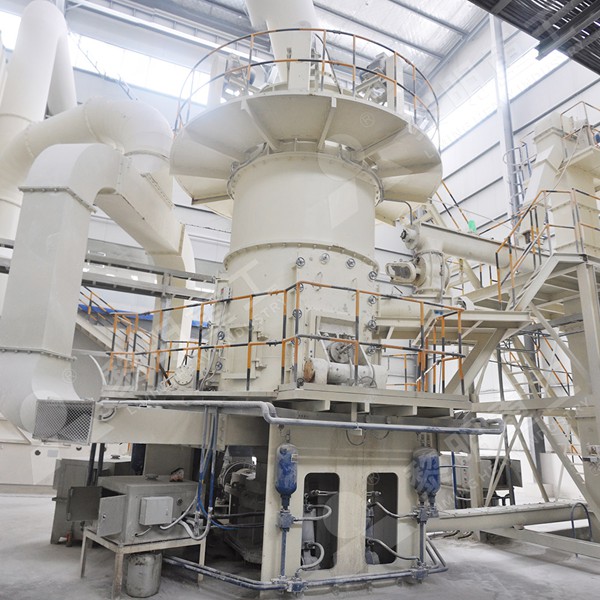
LM Vertical Roller Mill
For high-capacity cable compound plants, the LM vertical roller mill is an excellent choice. It combines drying, grinding, powder selection, and conveying in one system. Its automatic electric control system helps operators maintain stable quality even with varying raw material conditions. The mill can process feed sizes of 30 to 55 mm and capacity ranges from 10 to 400 T/H. In dolomite powder production, the LM mill is mainly used for large-scale manufacturing where a uniform product and low metal contamination are critical.
MTW European Type Trapezium Mill
The MTW mill is the upgrade of traditional Raymond and pendulum mills. It uses patented technology, and its trapezium-shaped grinding roller and ring create a stable grinding bed. This mill is ideal for medium to large non-metallic mineral powder making, including limestone and dolomite. The capacity is 3 to 55 T/H, with input sizes of 30 to 50 mm. For cable compound producers, the MTW mill offers good fineness adjustment, stable performance, lower energy consumption, and a cleaner operation with a pulse dust collector.
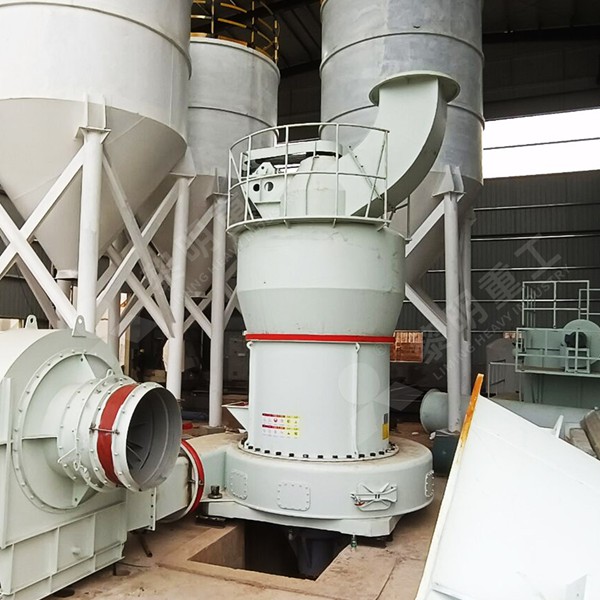
Raymond Mill
The Raymond mill is still a practical choice for smaller plants. It is suitable for non-flammable and non-explosive materials with Mohs hardness under 7 and moisture under 6 percent. Dolomite fits this requirement well. The output fineness is between 613 and 44 microns, which covers many standard cable compound filler applications. Its capacity is 1.2 to 4.5 T/H. The Raymond mill is simple to operate, reliable, and easy to maintain, making it a good entry-level solution.
MW Micro Powder Mill
When cable compound formulations demand high fineness, the MW micro powder mill is the better option. It absorbs advanced Swedish grinding technology and is specifically designed for superfine powder processing. The finished product can reach D97 <= 5 microns, and the fineness is adjustable from 325 to 3250 mesh. The mill has a capacity of 0.5 to 25 T/H and accepts feed sizes of 10 to 20 mm. It is equipped with a pulse precipitator, so the production process is clean and environmentally friendly. For high-end cable filler, where surface-treated or controlled-particle-size dolomite is required, the MW mill provides the precision needed.
Ball Mill
The ball mill is another common grinding plant in the industry. It is key equipment used after crushing, and it can grind dolomite and other materials for beneficiation, construction, and chemical industries. Capacity ranges from 0.65 to 50 T/H with input size up to 25 mm. In some cable compound plants, a ball mill is used as a pre-grinding stage or combined with an external classifier for coarse-to-medium filler production. It is especially useful when a plant already has a ball mill and wants to keep the existing layout simple.
How to Choose the Right Dolomite Grinding Mill
From a practical point of view, there is no single best mill for every cable compound producer. Instead, selection should follow the product specification. If the target is a coarse or standard powder, a Raymond mill or MTW mill is often enough. If you need a large volume of uniform powder for continuous production, an LM vertical roller mill is worth considering. If you want to create a premium cable compound with ultra-fine dolomite, the MW micro powder mill is the most direct route.
The second decision is plant scale. A small cable compound workshop can start with a Raymond mill and later add a classifier. A large integrated manufacturer may prefer a vertical roller mill because it combines drying, grinding, and classification in one unit. For those who want simple operation and lower maintenance, MTW trapezium mill offers a balanced solution.
Third, think about process stability. Dolomite is variable, and the mill should respond to changes in feed size, hardness, and moisture. Liming control systems and robust mechanical design make it easier to keep the powder within tolerance. We also support customers with testing, flow sheet design, and after-sales service, so the grinding line is engineered around the actual cable compound application.
Final Thoughts
Dolomite grinding is one of the first steps in producing a high-quality cable compound. A well-chosen grinding mill not only improves filler quality but also lowers rejection rates and makes the whole manufacturing line more predictable. At Liming Heavy Industry, our history of more than thirty years in grinding equipment gives us the confidence to help customers find the right answer.
We continue to develop and innovate around the technical frontier of the industry. Whether you are processing heavy calcium carbonate, limestone, dolomite, or other non-metallic minerals, our mills are built to meet the demands of modern, environmentally responsible production.
Frequently Asked Questions
1. What particle size of dolomite is required for cable compound?
In most cable compound recipes, dolomite filler is ground to 325 mesh or finer. High-performance compounds may require 1250 mesh or even more, especially when the filler must have a very tight particle size distribution.
2. Can the LM vertical mill process dolomite with high moisture?
Yes. The LM vertical roller mill integrates drying and grinding, so it can handle a certain amount of moisture. It uses hot air to dry and convey the material inside the mill. For very wet feeds, an external drier may still be recommended.
3. Is the MTW mill suitable for both fine and coarse dolomite powder?
Yes. The MTW European Type Trapezium Mill has a built-in classifier and can adjust fineness. It is suitable for producing medium-fine powder, commonly used in cable compounds, but not as extreme as ultra-fine micro powder grinding.
4. Does Liming help with mill selection?
Yes. We provide equipment and complete grinding solution support. Based on your target fineness, throughput, moisture, and raw material condition, our team can recommend the right model and optional equipment.
5. What environmental protections are available on these mills?
Most Liming grinding mills can be equipped with pulse dust collectors and operate in a closed-loop air system. This reduces dust emission and helps plants meet local environmental standards.


