Dolomite pulverizer for construction aggregate is one of the most important investments for any producer who wants to turn raw dolomite into a high-value filler or fine aggregate. In simple terms, a pulverizer grinds crushed dolomite into powder with a controlled particle size, which is then used in asphalt mixtures, concrete blocks, cementitious backfill, and many other construction materials. Choosing the right equipment affects not only product quality but also energy use, maintenance cost, and environmental compliance.
Why Dolomite Pulverization Matters in Construction Aggregate
Dolomite is a sedimentary carbonate rock that contains calcium magnesium carbonate. In construction, it is often crushed into coarse aggregate for road base and concrete. However, there is also a growing demand for pulverized dolomite, often called dolomite flour or filler, because it improves the performance of asphalt and other building materials. The fine powder fills voids between larger aggregate particles, reduces water absorption, and improves the bond between aggregate and binder. A good dolomite pulverizer can produce powder from 10 mesh to more than 3000 mesh, depending on the application. That flexibility is essential for aggregate producers who serve different customers.
Main Equipment for Dolomite Powder Production
No single pulverizer is perfect for every job. At Liming Heavy Industry, our product line covers everything from small pilot-scale mills to large industrial vertical mills. Below are the main machines we recommend for dolomite construction aggregate.
LM Vertical Roller Mill
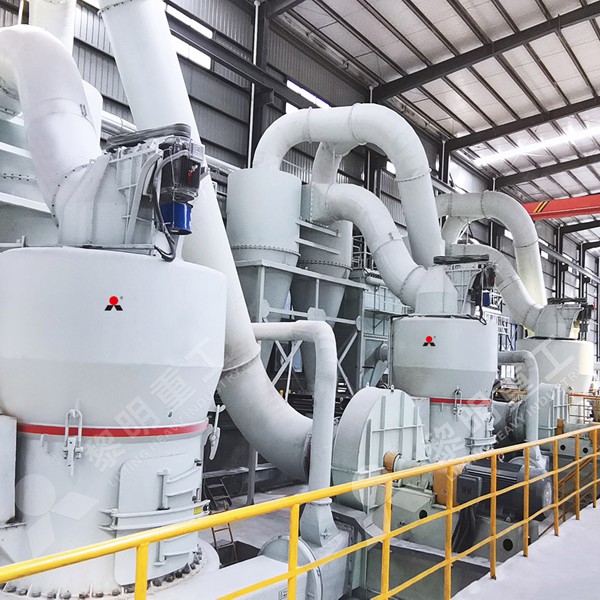
The LM vertical roller mill is the first choice for large-scale dolomite powder producers. It integrates drying, grinding, powder selection, and conveying in one unit, which simplifies the process line and reduces footprint. With capacity from 10 to 400 tons per hour and input size from 30 to 55 mm, it is built for plants that need continuous, high-capacity production. It works especially well for non-metallic minerals like dolomite and can handle feed materials with moderate moisture because of its integrated drying function.
MTW European Type Trapezium Mill
The MTW European type trapezium mill is the upgrade of the traditional Raymond mill and pendulum mill. It has patented technology and is designed for non-metallic mineral powder making. Capacity ranges from 3 to 55 tons per hour with input size 30 to 50 mm. The grinding system is closed and equipped with a pulse dust collector, so it meets modern environmental standards. For a medium-sized construction aggregate plant, MTW is a robust and energy-saving option.
Raymond Mill
Raymond mill is one of the most widely used pulverizers in the mineral processing industry. It is suitable for non-flammable and non-explosive materials with Mohs hardness below 7 and humidity under 6%. The output fineness ranges from 613 to 44 microns, which covers most construction filler requirements. Capacity is 1.2 to 4.5 tons per hour, and input size is 15 to 25 mm. If your project is small or you need a simple and reliable machine, a Raymond mill is a field-proven choice.
MW Micro Powder Mill
For dolomite powder that needs to be ultra-fine, the MW micro powder mill is the answer. It is based on advanced grinding technology, and the finished product can reach d97 less than or equal to 5 microns. The fineness can be adjusted between 325 mesh and 3250 mesh, so you can produce specialty products for high-performance construction materials. Capacity is 0.5 to 25 tons per hour, and input size is 10 to 20 mm. With a pulse precipitator, the production process is cleaner and more environmentally friendly.
Ball Mill
The ball mill is a classic grinding machine that remains essential in many construction aggregate plants. It is key equipment for milling materials after crushing, and it can grind all kinds of ores and other materials. Its capacity is 0.65 to 50 tons per hour, and input size is up to 25 mm. Ball mills are widely used in cement, building materials, and non-metallic mineral processing. Some customers choose a ball mill when they already have a crushing circuit and need a straightforward grinding stage.
Working Principle of a Dolomite Pulverizer
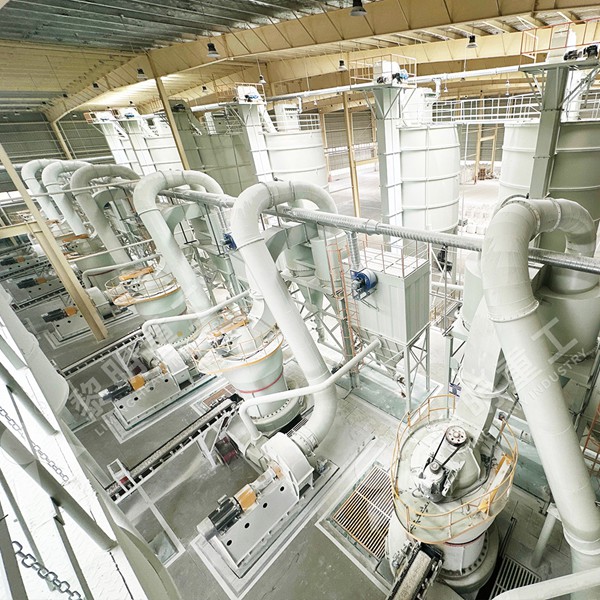
Although each mill has a slightly different design, the general working principle is similar. First, large dolomite stones are broken by a jaw crusher to the required feed size. Then a variable-frequency belt feeder sends the material into the pulverizer evenly. Inside the machine, the dolomite is ground between rollers and the grinding ring, or between steel balls and the mill shell, depending on the equipment. The ground material is carried upward by air flow to a separator. Particles that are not fine enough fall back to the grinding area, while qualified powder passes through the separator and is collected by a dust collector. The air is recycled through the system, creating a closed loop that minimizes dust and energy loss. This is how modern dolomite pulverizers combine efficiency with environmental protection.
How to Select the Right Dolomite Pulverizer
In our years of working with aggregate producers, we have found that four factors drive most decisions. The first is fineness. If you need 200 mesh or 325 mesh for asphalt filler, a Raymond mill or MTW mill works well. If you need finer powder, an MW micro powder mill is better. The second factor is capacity. A high-volume quarry should look at an LM vertical roller mill; a smaller contractor might start with a Raymond mill or ball mill. The third factor is moisture. Dolomite from quarries can carry surface moisture, and the LM vertical mill is especially effective because it combines drying with grinding. The fourth factor is environmental compliance. Closed systems with pulse dust collectors are no longer optional in many regions. They protect your workers and keep your plant legal.
Operational Tips for Long-Term Performance
Even the best dolomite pulverizer will underperform if it is not operated correctly. From our experience, regular inspection of grinding rollers, rings, and liners is the first step. Worn parts reduce capacity and increase power consumption. Keep the feed size consistent. If the feed is too large, the mill will struggle; if it is too small, you may not get the desired particle distribution. Set the separator speed carefully. Small changes in separator speed can make the finished powder coarser or finer. Do not forget the dust collector. Clean bags and check for leaks, because the closed system depends on balanced air flow. Finally, monitor bearing temperatures and vibration. Early detection of abnormal values prevents costly downtime.
Why Choose Liming Heavy Industry for Dolomite Pulverizer
Liming Heavy Industry Co., Ltd. was founded in 1987 and has grown into a modern joint-stock enterprise that combines research, manufacturing, and sales. Our headquarter is in the HI-TECH Industry Development Zone of Zhengzhou, covering 80,000 square meters, and another workshop in Shangjie Industry Park covers 67,000 square meters. For more than 30 years, we have insisted on modern scientific management, precision manufacturing, and continuous innovation. We understand the practical needs of construction aggregate producers, not only in China but around the world. Our dolomite pulverizers are designed to be durable, easy to maintain, and flexible enough to meet changing specifications.
Conclusion
Dolomite pulverizer for construction aggregate is not a one-size-fits-all piece of equipment. You need to consider your feed size, target fineness, capacity, moisture level, and environmental requirements. Whether you choose an LM vertical roller mill for large-scale production, an MTW European type trapezium mill for reliable medium-capacity grinding, a Raymond mill for simple and proven performance, an MW micro powder mill for ultra-fine powder, or a ball mill for an existing crushing circuit, Liming Heavy Industry can provide the right system. Our team can help you design a complete line from primary crushing to final collection, so that every ton of dolomite becomes a profitable construction aggregate product.
Frequently Asked Questions
- What is the best dolomite pulverizer for construction aggregate?
There is no single answer. For high capacity, the LM vertical roller mill is ideal. For medium capacity with good energy efficiency, the MTW trapezium mill works well. For superfine powder, use the MW micro powder mill. Your choice should match your required fineness and throughput. - Can Raymond mill process dolomite for asphalt filler?
Yes. Raymond mill can process dolomite with a hardness below 7 on the Mohs scale and humidity below 6%. Its output fineness between 613 and 44 microns covers typical asphalt filler requirements. - What particle size is commonly used for dolomite aggregate filler?
In many construction applications, dolomite powder with 200 mesh or 325 mesh is sufficient. Some high-performance products require much finer powder, and an MW micro powder mill can adjust from 325 mesh to 3250 mesh. - How can I make my dolomite pulverizer more environmentally friendly?
Use a closed-loop grinding system with a pulse dust collector. This prevents dust from escaping and allows the air to be recycled. It also helps you comply with local environmental standards. - Does Liming Heavy Industry supply complete dolomite powder production lines?
Yes. We supply jaw crushers, vibrating feeders, elevators, pulverizers, separators, blowers, dust collectors, pipes, and electric control cabinets. We can also provide project layout and operational guidance.


